
Artificial Insemination Market Forecast 2025-2035: Trends, Drivers, and Growth Potential
GET A FREE SAMPLE
NEED A CUSTOM REPORT?
We can customize every report including purchasing stand-alone sections or country-level reports, as well as <b> offer affordable discounts for start-ups & universities.</b>
Share this report:




Introduction
Key Report Highlights
Dominant Segments
Competitive Intelligence
Strategic Insights
Regional Dynamics
Enhancing Reproductive Success: Why Our Global Artificial Insemination Market Report is Vital for Modern Fertility Solutions
The global Artificial Insemination market is transforming reproductive healthcare by offering effective, less invasive fertility solutions for individuals and couples facing infertility challenges. Artificial insemination involves the direct insertion of sperm into a female’s reproductive tract to facilitate fertilization. With rising infertility rates, increasing awareness, and advancements in reproductive technologies, the market is experiencing significant growth. Our report provides in-depth insights into market trends, segmentation, growth drivers, and future opportunities shaping assisted reproduction worldwide.
1. By Type: Intrauterine Insemination (IUI) (Dominant Segment)
The intrauterine insemination (IUI) segment leads the market.
Why it dominates:
- Higher success rates compared to other methods
- Minimally invasive and cost-effective procedure
- Widely recommended as a first-line fertility treatment
- Suitable for various infertility conditions
Other key type:
- Intracervical insemination (ICI)
2. By Source: AIH (Husband) (Dominant Segment)
AIH (Artificial Insemination by Husband) holds the largest share.
Reasons:
- Preferred option for couples with mild infertility issues
- Lower ethical and legal concerns
- Cost-effective compared to donor insemination
- Higher acceptance among patients
Other key source:
- AID (Artificial Insemination by Donor)
3. By End-User: Fertility Clinics (Dominant Segment)
Fertility clinics are the primary end-users.
Why:
- Specialized infrastructure and expertise
- Availability of advanced reproductive technologies
- High patient footfall for infertility treatments
- Personalized patient care and monitoring
Other key end-users:
- Hospitals
- Cryobanks
- Research centers
4. By Application: Human Reproduction (Dominant Segment)
Human reproduction accounts for the largest share.
Why:
- Rising global infertility rates
- Delayed pregnancies and lifestyle factors
- Growing acceptance of assisted reproductive technologies
- Supportive government initiatives
Other key application:
- Animal breeding
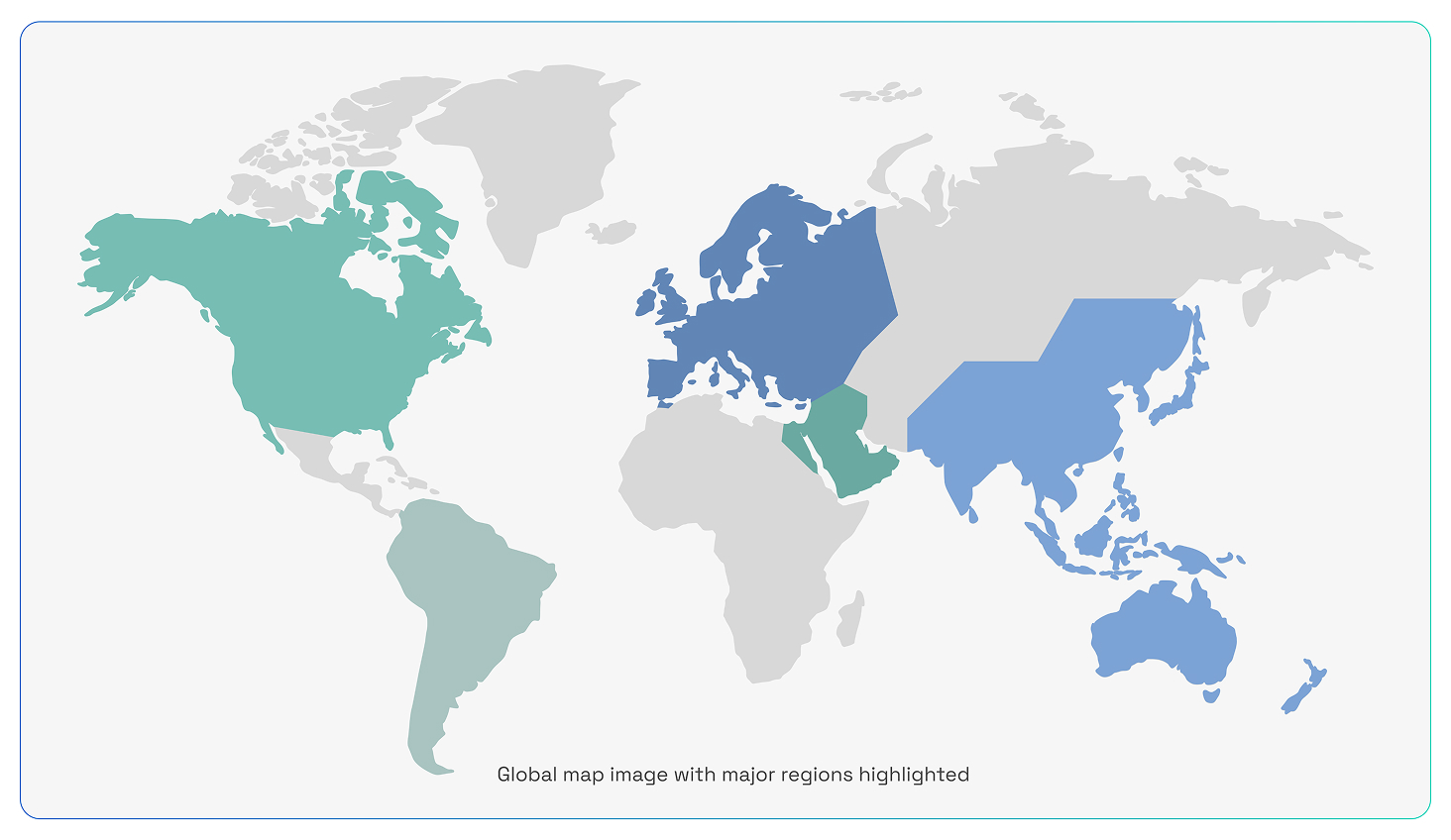
5. By Geography: North America (Dominant Region)
North America holds the largest market share.
Key factors:
- Advanced healthcare infrastructure
- High awareness and acceptance of fertility treatments
- Availability of skilled professionals
- Strong presence of fertility clinics
Fastest-growing region:
- Asia-Pacific (India, China, Japan, South Korea)
Drivers: What is fueling market growth?
- Increasing infertility rates worldwide
- Delayed parenthood and lifestyle changes
- Growing awareness of fertility treatments
- Advancements in reproductive technologies
- Rising acceptance of assisted reproduction
Restraints (R) – What is limiting growth?
- Ethical and legal concerns
- High treatment costs in some regions
- Variable success rates
- Limited insurance coverage
Opportunities (O) – Where is future growth coming from?
- Expansion in emerging markets
- Technological advancements in fertility treatments
- Growth of fertility tourism
- Increasing acceptance of donor programs
Trends (T) – What is shaping the future?
- Integration with advanced reproductive technologies (ART)
- Improved sperm selection and preservation techniques
- Rising use of cryobanking services
- Personalized fertility treatment approaches
Methodology
We use a stepwise research approach combining secondary research, primary validation, and data triangulation to estimate market size and forecast growth.
| Step | What we do |
|---|---|
| 1. Secondary research | Review public sources (company disclosures, industry publications, and credible datasets) to map the market and build baseline assumptions. |
| 2. Primary inputs | Validate assumptions through expert inputs (manufacturers, technology providers, and domain specialists). |
| 3. Sizing & forecasting | Apply structured sizing methods and forecast models using adoption trends, segment mix, and regional demand patterns. |
| 4. Triangulation | Cross-check estimates across multiple methods and sources to ensure consistency and reduce bias. |
Outlook of the Artificial Insemination Market
How artificial insemination technologies are advancing livestock breeding, fertility treatments, and reproductive efficiency
🐄 Key Applications
- Livestock Breeding (Cattle, Swine, Poultry)
- Equine Reproduction
- Human Fertility Treatments
- Genetic Improvement Programs
- Semen Storage & Cryopreservation
📈 Business Benefits
- Improved reproductive efficiency and success rates
- Enhanced genetic quality and herd productivity
- Reduced breeding costs and risks
- Support for livestock industry modernization
- Expanded access to fertility solutions for humans and animals
Core Technologies
- Semen Collection & Processing Equipment
- Cryogenic Storage & Preservation Systems
- Artificial Insemination Instruments & Catheters
- Genetic Testing & Selection Tools
- Automated Breeding & Monitoring Solutions
Market Scope & Analysis
1. By Type
- Intrauterine Insemination (IUI)
- Intracervical Insemination (ICI)
2. By Source
- AIH (Artificial Insemination by Husband)
- AID (Artificial Insemination by Donor)
3. By End-User
- Fertility Clinics
- Hospitals
- Cryobanks
- Research Centers
4. By Application
- Human Reproduction
- Animal Breeding
5. By Geography
- North America
- Europe
- Asia-Pacific
- Latin America
- Middle East & Africa
- Zoetis
- IMV Technologies
- CooperSurgical
- Genea Biomedx
- Merck Animal Health
- North America
- Europe
- Asia-Pacific
- Latin America
- Middle East
- Africa
- United States
- Canada
- Germany
- United Kingdom
- France
- China
- India
- Japan
- South Korea
- Australia
- Brazil
- Mexico
- United Arab Emirates
- Saudi Arabia
Recent Developments
Recent Developments
Aug 2025: To promote improved reproductive methods in dairy farming, increase herd quality, and generate around one million semen doses yearly for animal breeding, the first sex-sorted semen laboratory was established in Bassi, near Jaipur, Rajasthan, India.
Frequently Asked Questions
A1: Artificial Insemination Market expects a CAGR of 8.70% from 2025 to 2035.
A2: The Artificial Insemination Market is primarily driven by applications in livestock breeding, dairy cattle reproduction, swine and poultry production, equine breeding, and human fertility treatments.
A3: Key players in the Artificial Insemination Market include Genus plc, COBB‑VANTRESS (a subsidiary of Tyson Foods), CRI (Cooperative Resources International), ABS Global, Select Sires Inc., ST Genetics, Vets Plus Inc., and Zoetis — leading providers of genetics, semen supply, reproductive technologies, and services for livestock and companion animal breeding.
A4: Artificial Insemination faces challenges such as - high costs, limited awareness, cultural and ethical concerns, technical complexity, variable success rates, and access to trained specialists.
A5: Asia‑Pacific is expected to register the fastest growth in the Artificial Insemination market, with strong expansion in both human fertility services and livestock programs driven by rising infertility rates, expanding fertility infrastructure, and increasing adoption of advanced reproductive technologies across China, India, Japan, and other regional markets.
A6: Artificial Insemination verticals include livestock and dairy farms, breeding centers, and veterinary clinics performing AI in cattle, swine, equine, and small ruminants.
GET A FREE SAMPLE
This FREE sample includes market data points, ranging from trend analyses to market estimates & forecasts. See for yourself.
NEED A CUSTOM REPORT?
We can customize every report including purchasing stand-alone sections or country-level reports, as well as <b> offer affordable discounts for start-ups & universities.</b>
Share this report:
Seize Tomorrow's Opportunities Today: Access the Full Report
Our Top Selling Reports
- •Water-Soluble Vitamin & Mineral Feed Supplements Market
- •Pyridine & Pyridine Derivatives Market
- •Nutraceutical Ingredients Market
- •Functional Food Ingredients Market
- •Water-Soluble Vitamin & Mineral Feed Supplements Market
- •Pyridine & Pyridine Derivatives Market
- •Nutraceutical Ingredients Market
- •Functional Food Ingredients Market
Personalize This Report
- •Triangulate with your Own Data
- •Get Data as per your Format and Definition
- •Gain a Deeper Dive on a Specific Application, Geography, Customer or Competitor
- •Any level of Personalization
Let Us Help You
- •What are the Known and Unknown Adjacencies Impacting the Digital Health Market
- •What will your New Revenue Sources be?
- •Who will be your Top Customer; what will make them switch?
- •Defend your Market Share or Win Competitors
- •Customized Workshop Request