
Bus Market 2025–2035: Innovation Drivers and Market Projections
GET A FREE SAMPLE
NEED A CUSTOM REPORT?
We can customize every report including purchasing stand-alone sections or country-level reports, as well as <b> offer affordable discounts for start-ups & universities.</b>
Share this report:




Introduction
Key Report Highlights
Dominant Segments
Competitive Intelligence
Strategic Insights
Regional Dynamics
Expanding Public Transportation, Electrification & Smart Mobility: Why the Bus Market is Transforming Global Transit Systems
The global bus market is undergoing significant transformation, driven by rapid urbanization, increasing demand for efficient public transportation, and strong government focus on reducing carbon emissions. Buses remain one of the most cost-effective and widely used modes of mass transit, playing a crucial role in connecting urban and rural populations.
Governments across the world are investing heavily in upgrading public transport infrastructure and modernizing bus fleets with electric, hybrid, and alternative fuel technologies. The shift toward sustainable mobility, combined with advancements in connected vehicle systems, smart ticketing, and passenger comfort, is reshaping the future of the bus industry.
1. By Fuel Type: Diesel (Dominant Segment)
Diesel buses continue to dominate the market.
Why it dominates:
- Well-established fueling infrastructure globally
- High reliability and long operational lifespan
- Cost-effective for large-scale transportation networks
- Widely used in developing and rural regions
2. By Fuel Type: Electric Buses (Fastest-Growing Segment)
Electric buses are witnessing rapid adoption worldwide.
Why:
- Zero tailpipe emissions and environmentally friendly
- Strong government incentives and regulatory support
- Lower operating and maintenance costs over time
- Ideal for urban public transportation systems
3. By Bus Type: Transit Buses (Dominant Segment)
Transit buses lead the global market.
Why:
- Extensive deployment in city transportation networks
- High passenger capacity and operational efficiency
- Frequent usage in daily commuting
- Government investments in urban mobility solutions
4. By Bus Type: Coach Buses
Coach buses are essential for long-distance travel.
Why:
- Comfortable seating and enhanced passenger amenities
- Widely used for intercity and tourism transport
- Growing demand for travel and tourism services
- Suitable for long-haul operations
5. By End User: Public Transport Authorities (Dominant Segment)
Public transport authorities account for the largest market share.
Key factors:
- Large-scale procurement and fleet expansion programs
- Government funding and policy support
- Focus on improving urban mobility and accessibility
- Integration with smart city initiatives
Fastest-growing segment:
- Private fleet operators and ride-sharing services
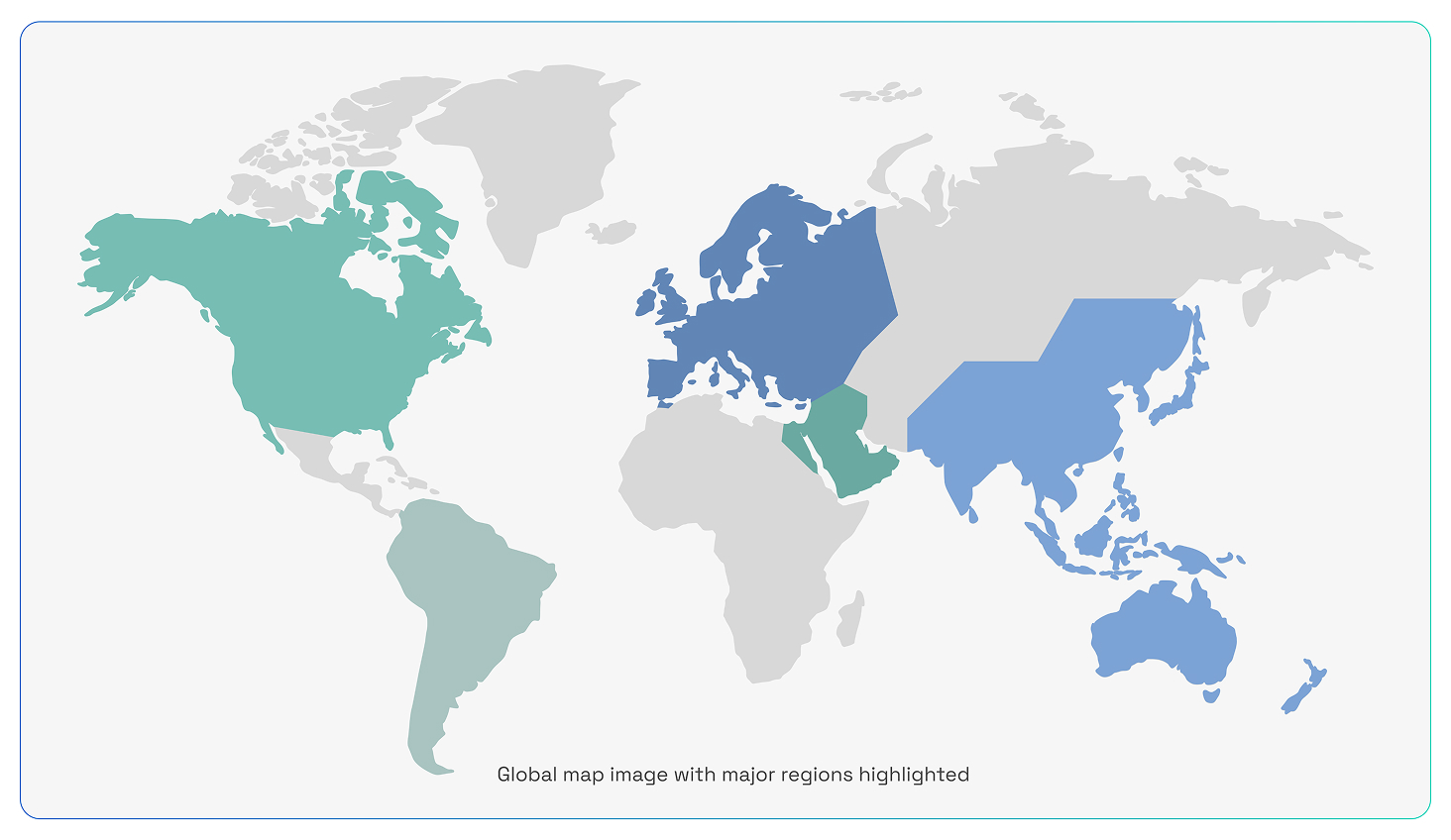
6. By Geography: Asia-Pacific (Dominant Region)
Asia-Pacific dominates the bus market.
Key factors:
- High population density and rapid urbanization
- Strong demand for affordable public transportation
- Significant investments in electric bus deployment
- Presence of major bus manufacturers
Fastest-growing region:
- Europe
Drivers: What is fueling market growth?
- Increasing urban population and daily commuting needs
- Government initiatives promoting sustainable transportation
- Rising adoption of electric and hybrid buses
- Growing focus on reducing greenhouse gas emissions
- Expansion of public transport infrastructure globally
Restraints (R) – What is limiting growth?
- High initial investment for electric bus deployment
- Limited charging infrastructure in some regions
- Fluctuating fuel and energy costs
- Operational and maintenance challenges
Opportunities (O) – Where is future growth coming from?
- Expansion of electric and hydrogen-powered buses
- Development of smart and connected bus systems
- Growth in emerging economies
- Adoption of autonomous and driverless bus technologies
Trends (T) – What is shaping the future?
- Shift toward zero-emission and green mobility solutions
- Integration of IoT and smart fleet management systems
- Increasing adoption of electric mobility in public transport
- Modernization of transit systems with digital technologies
Methodology
We use a stepwise research approach combining secondary research, primary validation, and data triangulation to estimate market size and forecast growth.
| Step | What we do |
|---|---|
| 1. Secondary research | Review public sources (company disclosures, industry publications, and credible datasets) to map the market and build baseline assumptions. |
| 2. Primary inputs | Validate assumptions through expert inputs (manufacturers, technology providers, and domain specialists). |
| 3. Sizing & forecasting | Apply structured sizing methods and forecast models using adoption trends, segment mix, and regional demand patterns. |
| 4. Triangulation | Cross-check estimates across multiple methods and sources to ensure consistency and reduce bias. |
Outlook of the Autonomous Vehicle Market
How Autonomous Vehicles Revolutionize Transportation with Self-Driving Capabilities and Smart Mobility
🚘 Key Applications
- Self-Driving Passenger Cars
- Autonomous Commercial Vehicles
- Urban Mobility & Ride-Hailing Services
- Logistics & Freight Automation
- Public Transportation Solutions
📈 Business Benefits
- Reduced Human Error & Accidents
- Optimized Transportation Efficiency
- Cost Savings in Fleet Operations
- Enhanced Urban Mobility
- Integration with Smart Cities & Infrastructure
Core Technologies
- Autonomous Navigation & Control Systems
- LiDAR, Radar, and Vision Sensors
- Artificial Intelligence & Machine Learning
- Vehicle-to-Everything (V2X) Communication
- High-Precision Maps & Localization Software
Market Scope & Analysis
1. By Fuel Type
- Diesel
- Electric
- Hybrid
- CNG / LNG
2. By Bus Type
- Transit Buses
- Coach Buses
- School Buses
- Mini Buses
3. By End User
- Public Transport Authorities
- Private Operators
- Schools & Institutions
4. By Application
- Urban Transport
- Intercity Transport
- School Transport
- Tourism
5. By Geography
- North America
- Europe
- Asia-Pacific
- Middle East & Africa
- Latin America
- Volvo Group
- Daimler Truck
- BYD
- TATA Motors
- Ashok Leyland
- North America
- Europe
- Asia-Pacific
- Latin America
- Middle East
- Africa
- United States
- Canada
- Germany
- United Kingdom
- France
- China
- India
- Japan
- South Korea
- Australia
- Brazil
- Mexico
- United Arab Emirates
- Saudi Arabia
Recent Developments
Recent Developments
April 2025: A major bus manufacturer launched a new electric bus model with extended range and improved passenger comfort features for urban transit systems.
October 2024: A metropolitan transport authority signed a contract to procure hundreds of zero‑emission buses as part of a wider clean mobility transition.
FAQ
A1: The global bus market is projected to grow at a CAGR of 7.0% between 2025 and 2035, fueled by urban transportation initiatives.
A2: Public transportation, electric buses, and urban mobility are driving the most growth within the bus market.
A3: The key players in Bus Market are – Volvo Group, Daimler Truck, BYD, Tata Motors, and Ashok Leyland.
A4: High initial investment, route optimization, and competition with private transport restrict bus market growth.
A5: Bus market growth is strongest in Asia-Pacific driven by urbanization and public transportation investments.
A6: Bus market verticals include city buses, intercity buses, school buses, electric buses, and shuttle services.
GET A FREE SAMPLE
This FREE sample includes market data points, ranging from trend analyses to market estimates & forecasts. See for yourself.
NEED A CUSTOM REPORT?
We can customize every report including purchasing stand-alone sections or country-level reports, as well as <b> offer affordable discounts for start-ups & universities.</b>
Share this report:
Seize Tomorrow's Opportunities Today: Access the Full Report
Our Top Selling Reports
- •Water-Soluble Vitamin & Mineral Feed Supplements Market
- •Pyridine & Pyridine Derivatives Market
- •Nutraceutical Ingredients Market
- •Functional Food Ingredients Market
- •Water-Soluble Vitamin & Mineral Feed Supplements Market
- •Pyridine & Pyridine Derivatives Market
- •Nutraceutical Ingredients Market
- •Functional Food Ingredients Market
Personalize This Report
- •Triangulate with your Own Data
- •Get Data as per your Format and Definition
- •Gain a Deeper Dive on a Specific Application, Geography, Customer or Competitor
- •Any level of Personalization
Let Us Help You
- •What are the Known and Unknown Adjacencies Impacting the Digital Health Market
- •What will your New Revenue Sources be?
- •Who will be your Top Customer; what will make them switch?
- •Defend your Market Share or Win Competitors
- •Customized Workshop Request