
Aluminium Market 2025–2035: Innovation Drivers and Market Projections
GET A FREE SAMPLE
NEED A CUSTOM REPORT?
We can customize every report including purchasing stand-alone sections or country-level reports, as well as <b> offer affordable discounts for start-ups & universities.</b>
Share this report:




Introduction
Key Report Highlights
Dominant Segments
Competitive Intelligence
Strategic Insights
Regional Dynamics
Powering Global Industry: Why Our Global Aluminium Market Report is Essential for Modern Manufacturing & Infrastructure
The global Aluminium market is one of the most critical segments of the metals industry, driven by rising demand from transportation, construction, packaging, electrical, and automotive sectors. Aluminium is a lightweight, durable, and highly recyclable metal widely used in applications ranging from aircraft structures and vehicle bodies to beverage cans and building materials. With increasing focus on sustainability, energy efficiency, and lightweight materials, aluminium demand continues to grow across developed and emerging economies.
1. By Product Type: Primary Aluminium (Dominant Segment)
The primary aluminium segment holds the largest market share.
Why it dominates:
- High demand for large-scale industrial production
- Use in construction, transport, and packaging
- Consistent quality and purity levels
- Strong global smelting infrastructure
2. By Form: Flat Rolled Products (Dominant Segment)
Flat rolled products lead the market.
Why:
- Extensive use in automotive and aerospace industries
- High demand for sheets and foils
- Lightweight and corrosion-resistant properties
- Wide application in packaging materials
3. By Application: Transportation (Dominant Segment)
Transportation is the largest application area.
Why:
- Growing demand for lightweight vehicles
- Improved fuel efficiency and EV adoption
- Use in automotive and aerospace structures
- High strength-to-weight ratio benefits
4. By End-Use Industry: Construction (Dominant Segment)
Construction industry dominates demand.
Why:
- Rising urbanization and infrastructure projects
- Use in windows, doors, and structural panels
- Durability and corrosion resistance
- Energy-efficient building materials
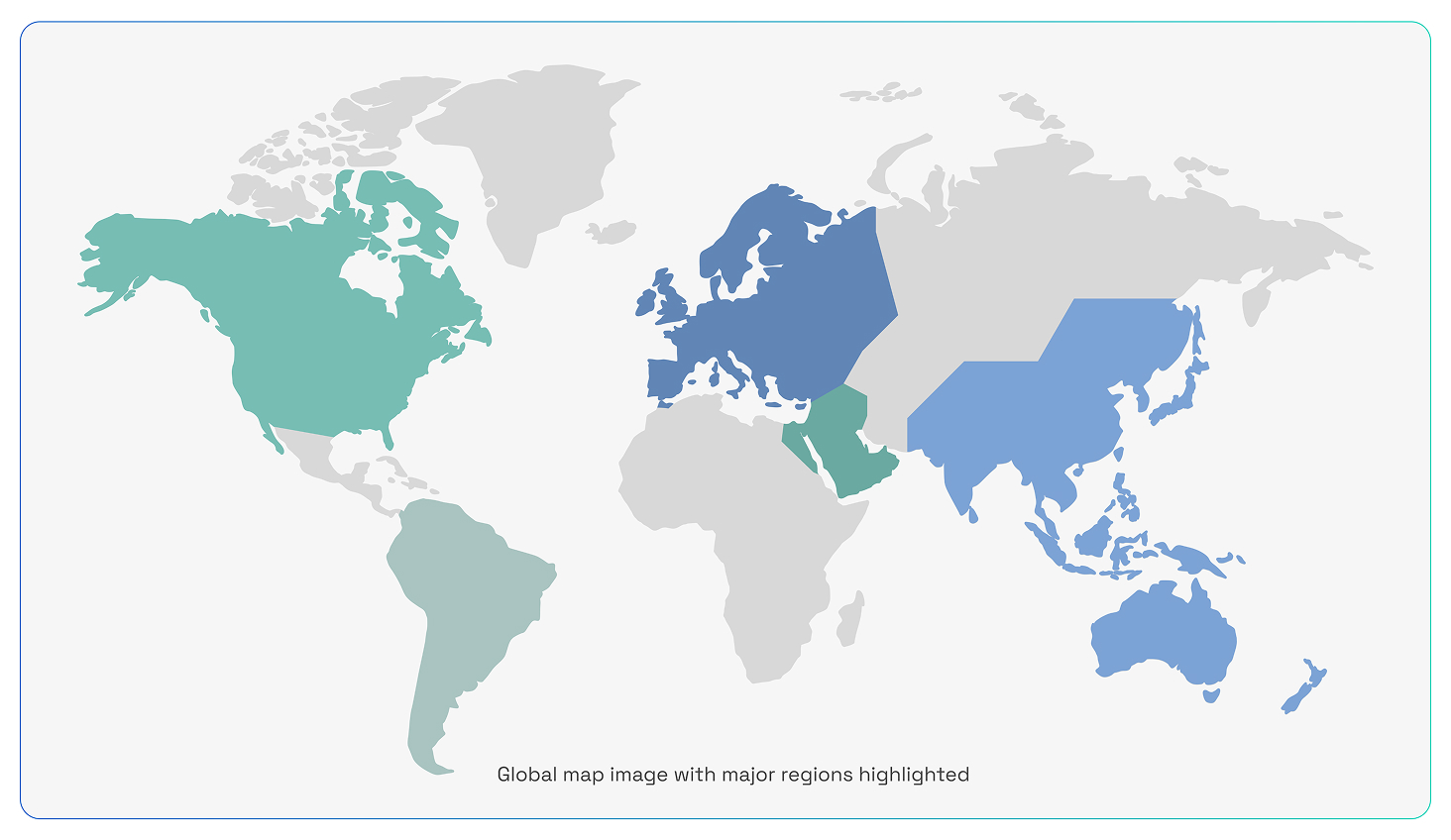
5. By Geography: Asia-Pacific (Dominant Region)
Asia-Pacific leads the global market.
Key factors:
- Strong manufacturing base in China and India
- Rapid infrastructure development
- High automotive production
- Growing packaging industry demand
Fastest-growing region:
- North America
Drivers: What is fueling market growth?
- Rising demand for lightweight materials
- Growth in automotive and aerospace industries
- Increasing use in sustainable packaging
- Strong recycling and circular economy trends
- Expansion of construction activities
Restraints (R) – What is limiting growth?
- High energy consumption in production
- Volatility in raw material (bauxite) prices
- Environmental regulations on smelting emissions
- Supply chain disruptions
Opportunities (O) – Where is future growth coming from?
- Expansion of electric vehicle manufacturing
- Growth in green and recycled aluminium
- Infrastructure development in emerging economies
- Advanced alloy innovations
Trends (T) – What is shaping the future?
- Shift toward low-carbon aluminium production
- Increasing aluminium recycling rates
- Lightweighting trend in automotive design
- Growth of aluminium-air battery research
Methodology
We use a stepwise research approach combining secondary research, primary validation, and data triangulation to estimate market size and forecast growth.
| Step | What we do |
|---|---|
| 1. Secondary research | Review public sources (company disclosures, industry publications, and credible datasets) to map the market and build baseline assumptions. |
| 2. Primary inputs | Validate assumptions through expert inputs (manufacturers, technology providers, and domain specialists). |
| 3. Sizing & forecasting | Apply structured sizing methods and forecast models using adoption trends, segment mix, and regional demand patterns. |
| 4. Triangulation | Cross-check estimates across multiple methods and sources to ensure consistency and reduce bias. |
Highlights of the Aluminium Market
How aluminium is driving growth across construction, automotive, aerospace, packaging, and industrial applications
🏗️ Key Applications
- Construction & Building Materials
- Automotive & Aerospace Components
- Packaging (Cans, Foils, and Containers)
- Electrical & Electronics Applications
- Industrial Machinery & Equipment
📈 Business Benefits
- Lightweight and durable material for diverse applications
- High corrosion resistance and recyclability
- Supports energy-efficient transportation and construction
- Enables innovative product design and manufacturing
- Reduces operational and maintenance costs
Core Technologies
- Primary Aluminium Production & Smelting
- Alloying & Extrusion Techniques
- Rolling, Casting, & Fabrication Processes
- Surface Treatment & Coating Technologies
- Recycling & Sustainability Systems
Market Scope & Analysis
1. By Product Type
- Primary Aluminium
- Secondary (Recycled) Aluminium
2. By Form
- Flat Rolled Products
- Extrusions
- Castings
- Foils
3. By Application
- Transportation
- Construction
- Packaging
- Electrical & Electronics
- Consumer Goods
4. By End-Use Industry
- Automotive
- Aerospace
- Building & Construction
- Packaging Industry
- Energy
5. By Geography
- Asia-Pacific
- North America
- Europe
- Latin America
- Middle East & Africa
- Rio Tinto
- Alcoa
- China Hongqiao Group
- Rusal
- North America
- Europe
- Asia-Pacific
- Latin America
- Middle East
- Africa
- United States
- Canada
- Germany
- United Kingdom
- France
- China
- India
- Japan
- South Korea
- Australia
- Brazil
- Mexico
- United Arab Emirates
- Saudi Arabia
Recent Developments
Recent Developments
Feb 18, 2026: The U.S. aluminium industry saw another smelter closure (Century Aluminum’s Hawesville, Kentucky plant) due to high energy costs, despite elevated import tariffs. The facility was sold to a data infrastructure firm, underscoring how rising industrial power costs are reshaping production economics and weakening U.S. primary aluminium output.
Nov 18, 2025: The European Commission announced plans to curb aluminium scrap exports to secure domestic supply for European recycling and decarbonisation goals. The policy initiative comes amid record EU scrap exports and is intended to balance producer, recycler, and downstream interests ahead of implementation in spring 2026.
Frequently Asked Questions
A1: Aluminium Market expects a CAGR of 3.9% from 2025 to 2035.
A2: The Aluminium Market is primarily driven by applications in automotive and transportation, construction and infrastructure, packaging, electrical and electronics, and aerospace industries.
A3: Key players in the Aluminium Market include Alcoa Corporation, Rio Tinto (Aluminium Division), Rusal (United Company RUSAL), Norsk Hydro ASA, China Hongqiao Group, Kaiser Aluminum Corporation, Novelis Inc. (an affiliate of Hindalco Industries), Century Aluminum Company, and Emirates Global Aluminium — leading producers, refiners, and suppliers of primary aluminium and downstream products globally.
A4: Key hindrances in adoption of aluminium are high energy-intensive production, fluctuating raw material costs, corrosion issues, recycling challenges, and strict environmental regulations.
A5: The Aluminium Market is expected to see the fastest growth in Asia‑Pacific, driven by rapid industrialization, urbanization, booming construction and transportation sectors, and strong demand from China and India.
A6: Aluminium Market verticals include automotive, aerospace, construction, packaging, and electrical industries using primary and secondary aluminium products.
GET A FREE SAMPLE
This FREE sample includes market data points, ranging from trend analyses to market estimates & forecasts. See for yourself.
NEED A CUSTOM REPORT?
We can customize every report including purchasing stand-alone sections or country-level reports, as well as <b> offer affordable discounts for start-ups & universities.</b>
Share this report:
Seize Tomorrow's Opportunities Today: Access the Full Report
Our Top Selling Reports
- •Water-Soluble Vitamin & Mineral Feed Supplements Market
- •Pyridine & Pyridine Derivatives Market
- •Nutraceutical Ingredients Market
- •Functional Food Ingredients Market
- •Water-Soluble Vitamin & Mineral Feed Supplements Market
- •Pyridine & Pyridine Derivatives Market
- •Nutraceutical Ingredients Market
- •Functional Food Ingredients Market
Personalize This Report
- •Triangulate with your Own Data
- •Get Data as per your Format and Definition
- •Gain a Deeper Dive on a Specific Application, Geography, Customer or Competitor
- •Any level of Personalization
Let Us Help You
- •What are the Known and Unknown Adjacencies Impacting the Digital Health Market
- •What will your New Revenue Sources be?
- •Who will be your Top Customer; what will make them switch?
- •Defend your Market Share or Win Competitors
- •Customized Workshop Request