
Alumina Trihydrate Market 2025–2035: Competitive Analysis and Growth Forecast
GET A FREE SAMPLE
NEED A CUSTOM REPORT?
We can customize every report including purchasing stand-alone sections or country-level reports, as well as <b> offer affordable discounts for start-ups & universities.</b>
Share this report:




Introduction
Key Report Highlights
Dominant Segments
Competitive Intelligence
Strategic Insights
Regional Dynamics
Enhancing Flame Retardant & Industrial Applications: Why Our Global Alumina Trihydrate (ATH) Market Report is Essential for Modern Materials Industry
The global Alumina Trihydrate (ATH) market is witnessing steady growth due to increasing demand for flame-retardant materials, expanding construction activities, and rising applications in plastics, rubber, paints, adhesives, and electrical insulation. ATH is a versatile inorganic compound widely used as a non-toxic flame retardant and smoke suppressant. It releases water vapor when heated, helping to cool materials and reduce fire spread. With growing safety regulations and demand for eco-friendly flame retardants, the ATH market is expanding across multiple industries worldwide.
1. By Application: Flame Retardants (Dominant Segment)
The flame retardants segment holds the largest market share.
Why it dominates:
- Strong demand in plastics and polymer industries
- Non-toxic and environmentally safe alternative
- Widely used in cables, wires, and building materials
- Increasing fire safety regulations globally
2. By End-Use Industry: Construction (Dominant Segment)
Construction industry leads the market.
Why:
- High use in insulation and building panels
- Strict fire safety standards in infrastructure
- Rising urbanization and construction projects
- Demand for safe and durable materials
3. By Product Form: Powder (Dominant Segment)
ATH powder dominates usage.
Why:
- Easy integration into polymers and resins
- High compatibility with manufacturing processes
- Cost-effective and widely available
- Efficient flame-retardant performance
4. By Application Area: Plastics & Polymers (Dominant Segment)
Plastics and polymers are the largest application area.
Why:
- Extensive use in consumer goods and packaging
- Need for improved fire resistance properties
- Growth in electrical and automotive plastics
- Increasing demand for lightweight materials
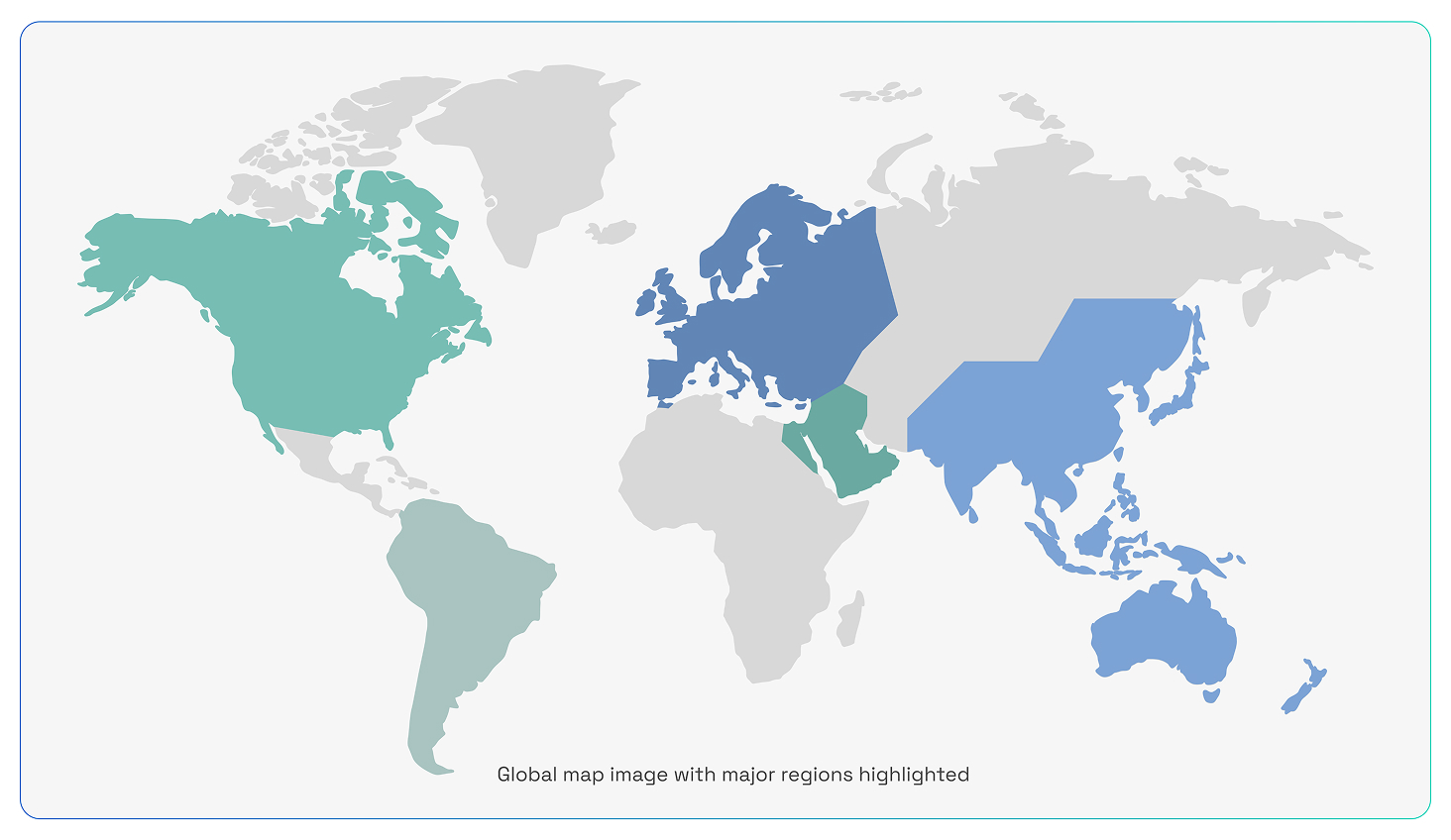
5. By Geography: Asia-Pacific (Dominant Region)
Asia-Pacific leads the global market.
Key factors:
- Strong plastics and construction industry growth
- Rapid industrialization in China and India
- Rising safety regulations and standards
- Expanding manufacturing base
Fastest-growing region:
- North America
Drivers: What is fueling market growth?
- Increasing demand for flame-retardant materials
- Stringent fire safety regulations
- Growth in construction and automotive industries
- Shift toward eco-friendly and non-toxic additives
- Rising electrical and electronics applications
Restraints (R) – What is limiting growth?
- High loading requirement in formulations
- Performance limitations at high temperatures
- Competition from alternative flame retardants
- Raw material price fluctuations
Opportunities (O) – Where is future growth coming from?
- Development of high-performance hybrid flame retardants
- Expansion in electric vehicle applications
- Growth in sustainable construction materials
- Increasing adoption in emerging economies
Trends (T) – What is shaping the future?
- Shift toward halogen-free flame retardants
- Increasing use in green building materials
- Advanced polymer compounding techniques
- Rising demand in wire & cable safety applications
Methodology
We use a stepwise research approach combining secondary research, primary validation, and data triangulation to estimate market size and forecast growth.
| Step | What we do |
|---|---|
| 1. Secondary research | Review public sources (company disclosures, industry publications, and credible datasets) to map the market and build baseline assumptions. |
| 2. Primary inputs | Validate assumptions through expert inputs (manufacturers, technology providers, and domain specialists). |
| 3. Sizing & forecasting | Apply structured sizing methods and forecast models using adoption trends, segment mix, and regional demand patterns. |
| 4. Triangulation | Cross-check estimates across multiple methods and sources to ensure consistency and reduce bias. |
Overview of the Alumina Trihydrate (ATH) Market
How alumina trihydrate (ATH) is used as a flame retardant, filler, and additive across construction, plastics, and coatings industries
🏗️ Key Applications
- Flame Retardants in Plastics & Polymers
- Construction Materials (e.g., cement, gypsum)
- Paints, Coatings & Adhesives
- Electrical & Insulation Applications
- Rubber & Composite Materials
📈 Business Benefits
- Improved fire safety and compliance with regulations
- Enhanced mechanical properties of materials
- Cost-effective filler for polymers and composites
- Support for lightweight and durable construction materials
- Versatile usage across multiple industries
Core Technologies
- ATH Powder Production & Calcination
- Surface Treatment & Coating Technologies
- Composite Material Formulation
- Polymer & Plastic Integration Techniques
- Quality Control & Regulatory Compliance Systems
Market Scope & Analysis
1. By Application
- Flame Retardants
- Fillers
- Smoke Suppressants
- Adhesives & Sealants
2. By End-Use Industry
- Construction
- Plastics & Polymers
- Electrical & Electronics
- Automotive
- Rubber
3. By Product Form
- Powder
- Granules
- Slurry
4. By Grade
- Industrial Grade
- High Purity Grade
5. By Geography
- Asia-Pacific
- North America
- Europe
- Latin America
- Middle East & Africa
- Alcoa
- Almatis (Imerys)
- SASOL
- Showa Denko
- North America
- Europe
- Asia-Pacific
- Latin America
- Middle East
- Africa
- United States
- Canada
- Germany
- United Kingdom
- France
- China
- India
- Japan
- South Korea
- Australia
- Brazil
- Mexico
- United Arab Emirates
- Saudi Arabia
Recent Developments
Recent Developments
In response to growing demand for safer, halogen-free ATH solutions across a variety of industries, J.M. Huber Corporation completed the acquisition of The R.J. Marshall Company's Alumina Trihydrate assets in May 2025. These assets included molybdate-based smoke suppressants and flame retardants free of antimony.
Frequently Asked Questions
A1: Alumina Trihydrate Market expects a CAGR of 5.7% from 2025 to 2035.
A2: The Alumina Trihydrate Market is primarily driven by applications in flame retardants for plastics and rubbers, coatings and paints, adhesives and sealants, construction materials, and ceramics manufacturing.
A3: Key players in the Alumina Trihydrate (ATH) Market include Alcoa Corporation, Alumina Limited, Heraeus Holding GmbH, Nabaltec AG, Wenshan Huaxing Chemical Co., Ltd., J.M. Huber Corporation, Huntsman Corporation, BASF SE, and Shandong Huarun Alumina Co., Ltd. — major producers and suppliers of ATH used as a flame retardant and filler in plastics, coatings, adhesives, and construction materials.
A4: Key hindrances in adoption of alumina trihydrate are high production costs, handling and safety concerns, limited availability of raw materials, regulatory compliance, and competition from alternative flame retardants.
A5: The Alumina Trihydrate Market is expected to grow fastest in Asia‑Pacific, led by rapid industrialization, expanding construction and automotive sectors, and rising demand for flame‑retardant materials in China, India, and Southeast Asia.
A6: Alumina Trihydrate Market verticals include construction, coatings, plastics, and flame-retardant applications in industrial and consumer products.
GET A FREE SAMPLE
This FREE sample includes market data points, ranging from trend analyses to market estimates & forecasts. See for yourself.
NEED A CUSTOM REPORT?
We can customize every report including purchasing stand-alone sections or country-level reports, as well as <b> offer affordable discounts for start-ups & universities.</b>
Share this report:
Seize Tomorrow's Opportunities Today: Access the Full Report
Our Top Selling Reports
- •Water-Soluble Vitamin & Mineral Feed Supplements Market
- •Pyridine & Pyridine Derivatives Market
- •Nutraceutical Ingredients Market
- •Functional Food Ingredients Market
- •Water-Soluble Vitamin & Mineral Feed Supplements Market
- •Pyridine & Pyridine Derivatives Market
- •Nutraceutical Ingredients Market
- •Functional Food Ingredients Market
Personalize This Report
- •Triangulate with your Own Data
- •Get Data as per your Format and Definition
- •Gain a Deeper Dive on a Specific Application, Geography, Customer or Competitor
- •Any level of Personalization
Let Us Help You
- •What are the Known and Unknown Adjacencies Impacting the Digital Health Market
- •What will your New Revenue Sources be?
- •Who will be your Top Customer; what will make them switch?
- •Defend your Market Share or Win Competitors
- •Customized Workshop Request