
3D Printing in Healthcare Market 2025-2035: Insights into Size and Share
GET A FREE SAMPLE
NEED A CUSTOM REPORT?
We can customize every report including purchasing stand-alone sections or country-level reports, as well as <b> offer affordable discounts for start-ups & universities.</b>
Share this report:




Introduction
Key Report Highlights
Dominant Segments
Competitive Intelligence
Strategic Insights
Regional Dynamics
Transforming Manufacturing: Why Our Global 3D Printing Market Report is Vital for the Future of Production
The global 3D Printing market is rapidly reshaping manufacturing, enabling faster prototyping, cost-efficient production, and unprecedented design flexibility. Also known as additive manufacturing, 3D printing builds objects layer by layer using digital models, reducing material waste and accelerating innovation across industries. Our report provides in-depth insights into market trends, segmentation, growth drivers, and future opportunities driving the evolution of smart manufacturing.
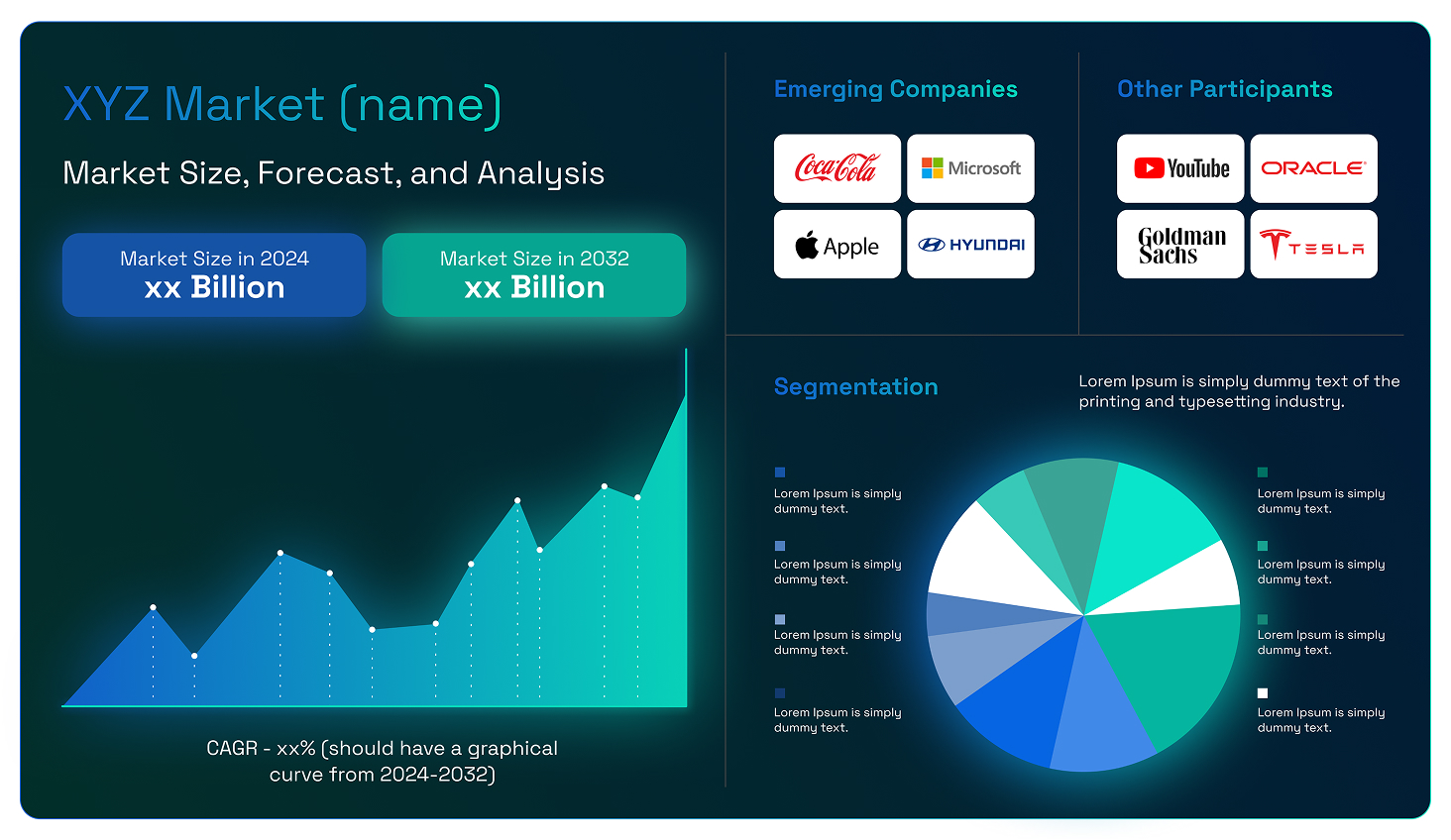
1. By Component: Hardware (Dominant Segment)
The hardware segment leads the market.
Why it dominates:
- Core equipment required for 3D printing operations
- Continuous advancements in printer capabilities
- Growing adoption across industrial sectors
- High initial investment costs compared to software and services
2. By Technology: Fused Deposition Modeling (FDM) (Dominant Segment)
FDM technology holds a major share.
Reasons:
- Cost-effective and easy to use
- Widely adopted in prototyping and education
- Availability of diverse thermoplastic materials
- Suitable for both industrial and desktop applications
3. By Material: Plastics (Dominant Segment)
Plastics dominate material usage.
Why:
- Low cost and versatility
- Wide availability of materials like PLA and ABS
- Suitable for rapid prototyping and functional parts
- Ease of processing and customization
Other key materials:
- Metals
- Ceramics
- Composites
4. By Application: Prototyping (Dominant Segment)
Prototyping is the largest application area.
Why:
- Reduces product development time
- Enables rapid design iterations
- Cost-efficient compared to traditional methods
- Supports innovation and customization
Other key applications:
- Tooling
- Functional part manufacturing
- Customized production
5. By End-User: Aerospace & Defense (Dominant Segment)
Aerospace and defense lead adoption.
Why:
- Demand for lightweight and complex components
- High precision manufacturing requirements
- Reduction in material waste
- Growing use in aircraft and defense systems
Other key end-users:
- Automotive
- Healthcare
- Consumer goods
- Industrial manufacturing
6. By Geography: North America (Dominant Region)
North America holds the largest market share.
Key factors:
- Strong presence of leading 3D printing companies
- High adoption of advanced manufacturing technologies
- Significant R&D investments
- Early technology adoption
Fastest-growing region:
- Asia-Pacific (China, India, Japan, South Korea)
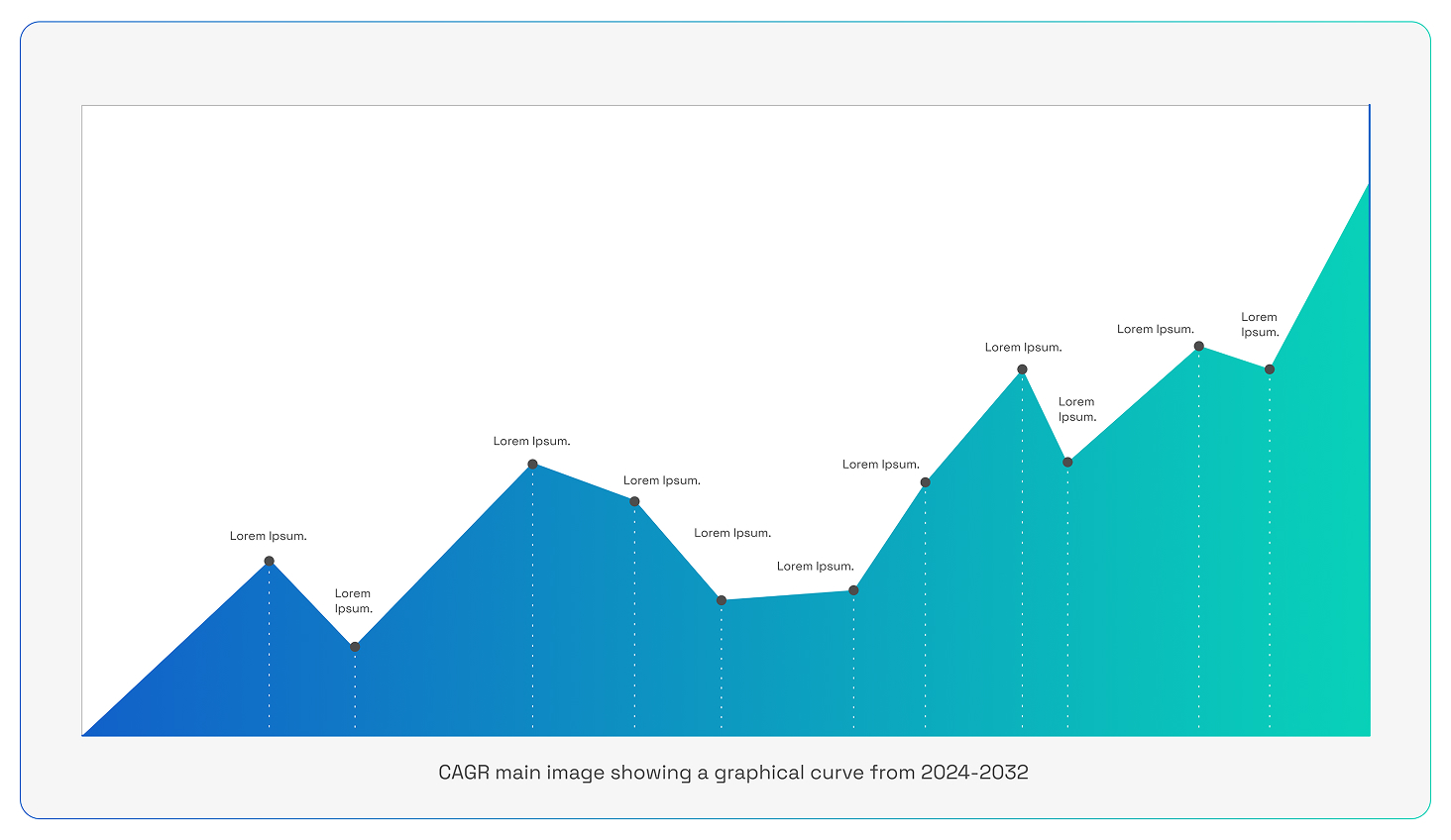
Drivers: What is fueling market growth?
- Increasing demand for rapid prototyping
- Customization and on-demand manufacturing
- Advancements in materials and printing technologies
- Reduction in manufacturing waste
- Growth of Industry 4.0
Restraints (R) – What is limiting growth?
- High initial investment costs
- Limited production speed for mass manufacturing
- Material limitations
- Lack of skilled workforce
Opportunities (O) – Where is future growth coming from?
- Expansion in healthcare (bioprinting, implants)
- Growth in construction 3D printing
- Adoption in emerging markets
- Integration with AI and automation
Trends (T) – What is shaping the future?
- Metal 3D printing advancements
- Large-scale industrial 3D printing
- Sustainable and recyclable materials
- Distributed manufacturing models
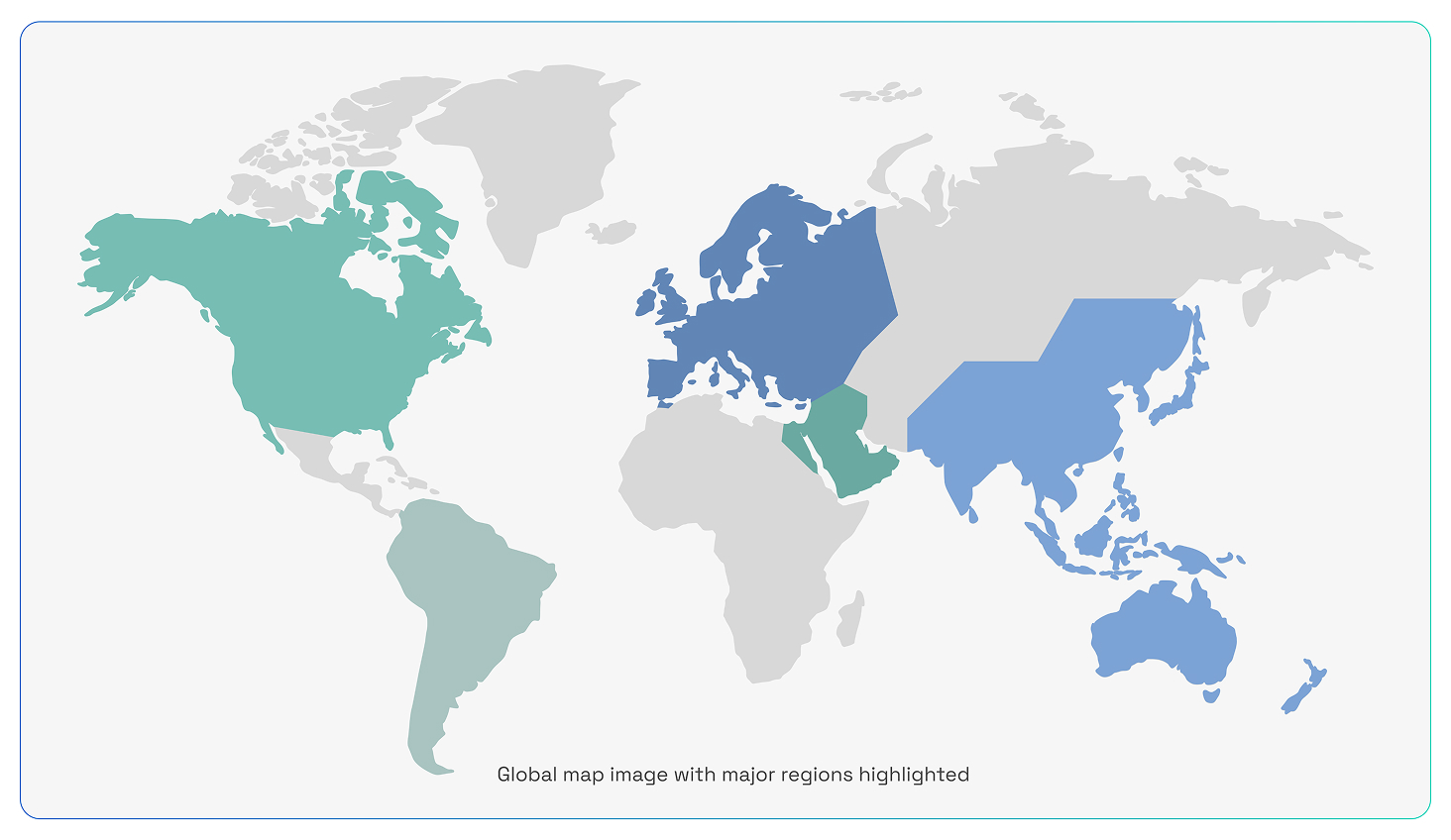
Methodology
We use a stepwise research approach combining secondary research, primary validation, and data triangulation to estimate market size and forecast growth.
| Step | What we do |
|---|---|
| 1. Secondary research | Review public sources (company disclosures, industry publications, and credible datasets) to map the market and build baseline assumptions. |
| 2. Primary inputs | Validate assumptions through expert inputs (manufacturers, technology providers, and domain specialists). |
| 3. Sizing & forecasting | Apply structured sizing methods and forecast models using adoption trends, segment mix, and regional demand patterns. |
| 4. Triangulation | Cross-check estimates across multiple methods and sources to ensure consistency and reduce bias. |
Outlook of the 3D Printing in Healthcare Market
How 3D printing technologies are revolutionizing medical devices, prosthetics, implants, and personalized patient care
🩺 Key Applications
- Patient-Specific Implants & Prosthetics
- Medical Device Prototyping & Manufacturing
- Orthopedic & Dental Solutions
- Tissue Engineering & Bioprinting
- Surgical Models & Planning Tools
📈 Business Benefits
- Customized and patient-specific healthcare solutions
- Reduced production time and costs for medical devices
- Enhanced surgical precision and patient outcomes
- Accelerated R&D and prototyping for healthcare innovations
- Support for minimally invasive and complex procedures
Core Technologies
- Bioprinting & Tissue Engineering Platforms
- 3D Printing with Metals, Polymers & Ceramics
- Stereolithography (SLA) & Fused Deposition Modeling (FDM)
- Medical Imaging & CAD Integration
- Advanced Post-Processing & Sterilization Techniques
Market Scope & Analysis
1. By Component
- Hardware
- Software
- Services
2. By Technology
- Fused Deposition Modeling (FDM)
- Stereolithography (SLA)
- Selective Laser Sintering (SLS)
- Digital Light Processing (DLP)
- Electron Beam Melting (EBM)
3. By Material
- Plastics
- Metals
- Ceramics
- Others
4. By Application
- Prototyping
- Tooling
- Functional Parts Production
5. By End-User
- Aerospace & Defense
- Automotive
- Healthcare
- Consumer Goods
- Industrial Manufacturing
6. By Geography
- North America
- Europe
- Asia-Pacific
- Latin America
- Middle East & Africa
- Stratasys
- 3D Systems
- Materialise
- EnvisionTEC (Desktop Metal)
- GE Additive
- SLM Solutions
- North America
- Europe
- Asia-Pacific
- Latin America
- Middle East
- Africa
- United States
- Canada
- Germany
- United Kingdom
- France
- China
- India
- Japan
- South Korea
- Australia
- Brazil
- Mexico
- United Arab Emirates
- Saudi Arabia
Recent Developments
Recent Developments
June 2024: Sparsh Hospitals inaugurated India’s first advanced on‑site 3D printing lab dedicated to orthopaedic applications and patient‑specific implants, marking a major step in integrating additive manufacturing with clinical care in the region.
Frequently Asked Questions
A1: 3D Printing in Healthcare Market expects a CAGR of 18.02% from 2025 to 2035.
A2: The 3D Printing in Healthcare Market is primarily driven by applications in custom prosthetics and implants, surgical guides and models, anatomical models for training, bioprinting tissues and organs, and personalized medical devices.
A3: Key players in the 3D Printing in Healthcare Market include 3D Systems, Stratasys, EOS GmbH, Materialise NV, SLM Solutions, Renishaw plc, Desktop Metal (including EnvisionTEC), Organovo Holdings, EOS North America, and GE Additive — leading providers of medical 3D printers, materials, software, and customized healthcare solutions such as surgical models, implants, and prosthetics.
A4: The main challenges hindering 3D printing adoption in healthcare are high costs, regulatory and compliance hurdles, limited material options, technical complexity, scalability issues, integration with existing workflows, and ensuring consistent quality and safety of printed medical devices or tissues.
A5: Asia‑Pacific is expected to see the fastest growth in the 3D Printing in Healthcare Market, driven by rising healthcare investments, expanding medical infrastructure, increasing adoption of personalized and cost‑effective 3D printed medical solutions
A6: 3D Printing in Healthcare Market verticals include hospitals, dental and orthopedic clinics, and medical device manufacturers using 3D printing for implants, prosthetics, and surgical models.
GET A FREE SAMPLE
This FREE sample includes market data points, ranging from trend analyses to market estimates & forecasts. See for yourself.
NEED A CUSTOM REPORT?
We can customize every report including purchasing stand-alone sections or country-level reports, as well as <b> offer affordable discounts for start-ups & universities.</b>
Share this report:
Seize Tomorrow's Opportunities Today: Access the Full Report
Our Top Selling Reports
- •Water-Soluble Vitamin & Mineral Feed Supplements Market
- •Pyridine & Pyridine Derivatives Market
- •Nutraceutical Ingredients Market
- •Functional Food Ingredients Market
- •Water-Soluble Vitamin & Mineral Feed Supplements Market
- •Pyridine & Pyridine Derivatives Market
- •Nutraceutical Ingredients Market
- •Functional Food Ingredients Market
Personalize This Report
- •Triangulate with your Own Data
- •Get Data as per your Format and Definition
- •Gain a Deeper Dive on a Specific Application, Geography, Customer or Competitor
- •Any level of Personalization
Let Us Help You
- •What are the Known and Unknown Adjacencies Impacting the Digital Health Market
- •What will your New Revenue Sources be?
- •Who will be your Top Customer; what will make them switch?
- •Defend your Market Share or Win Competitors
- •Customized Workshop Request