
End Point Security Market 2025–2032: Regional Insights, Growth Drivers, and Forecast
GET A FREE SAMPLE
NEED A CUSTOM REPORT?
We can customize every report including purchasing stand-alone sections or country-level reports, as well as <b> offer affordable discounts for start-ups & universities.</b>
Share this report:




Introduction
Key Report Highlights
Dominant Segments
Competitive Intelligence
Strategic Insights
Regional Dynamics
Strengthening Cyber Defense: Why Our Global Endpoint Security Market Report is Critical for Modern Enterprises
The global endpoint security market is witnessing rapid growth as organizations face increasing cyber threats, ransomware attacks, and advanced persistent threats (APTs). Endpoint security solutions protect devices such as laptops, smartphones, and servers from malicious attacks, ensuring secure enterprise environments. Our report delivers in-depth insights into market trends, growth drivers, key segments, and future opportunities shaping cybersecurity strategies worldwide.
1. By Component: Solutions Segment (Dominant)
The solutions segment holds the largest market share.
Why it dominates:
- Rising cyberattack complexity
- High demand for antivirus and endpoint detection & response (EDR)
- Integration with AI-driven threat detection
- Need for real-time protection
Organizations prioritize endpoint security solutions to protect critical devices and data.
2. By Deployment Mode: Cloud-Based (Dominant)
The cloud-based deployment model leads the market.
Reasons:
- Centralized security management
- Scalable protection across distributed networks
- Real-time threat intelligence updates
- Reduced infrastructure costs
Cloud-based endpoint security is widely adopted in remote and hybrid work environments.
3. By Organization Size: Large Enterprises (Dominant)
Large enterprises account for the highest adoption of endpoint security solutions.
Why:
- Large IT infrastructure and device networks
- High exposure to cyber threats
- Strict compliance requirements
- Greater investment in cybersecurity tools
Growth insight:
SMEs are increasingly adopting endpoint security due to rising ransomware attacks.
4. By End-User: BFSI (Dominant Segment)
The BFSI sector leads the market.
Reasons:
- High-value financial data protection needs
- Strict regulatory compliance (PCI DSS, GDPR, etc.)
- Frequent cyberattacks targeting financial systems
- Large-scale digital transaction environments
Other key industries:
- IT & Telecom
- Healthcare
- Government & Defense
- Retail & E-commerce
5. By Solution Type: Endpoint Detection & Response (EDR) (Dominant Segment)
EDR solutions are the fastest-growing segment.
Why:
- Advanced threat detection and response capabilities
- Behavior-based analytics
- Real-time monitoring and automation
Emerging trend:
- Extended Detection and Response (XDR) gaining traction
6. By Geography: North America (Dominant Region)
North America holds the largest market share.
Key factors:
- High cybersecurity spending
- Presence of major security vendors
- Advanced IT infrastructure
- Early adoption of AI-based security tools
Fastest-growing region:
- Asia-Pacific (India, China, Japan)
Drivers: What is fueling market growth?
- Rising ransomware and malware attacks
- Growth of remote and hybrid work models
- Increasing BYOD (Bring Your Own Device) adoption
- Expansion of cloud infrastructure
- Need for real-time threat detection
Restraints (R) – What is limiting growth?
- High cost of advanced security solutions
- Complex deployment and integration
- Shortage of cybersecurity professionals
- Performance impact on endpoints
Opportunities (O) – Where is future growth coming from?
- AI-driven cybersecurity solutions
- Expansion of zero-trust security models
- Growth in SME cybersecurity adoption
- Integration with cloud security platforms
Trends (T) – What is shaping the future?
- Zero Trust architecture adoption
- AI-powered threat intelligence
- Consolidation into XDR platforms
- Automated incident response systems
Methodology
We use a stepwise research approach combining secondary research, primary validation, and data triangulation to estimate market size and forecast growth.
| Step | What we do |
|---|---|
| 1. Secondary research | Review public sources (company disclosures, industry publications, and credible datasets) to map the market and build baseline assumptions. |
| 2. Primary inputs | Validate assumptions through expert inputs (manufacturers, technology providers, and domain specialists). |
| 3. Sizing & forecasting | Apply structured sizing methods and forecast models using adoption trends, segment mix, and regional demand patterns. |
| 4. Triangulation | Cross-check estimates across multiple methods and sources to ensure consistency and reduce bias. |
Snapshot of the Endpoint Security Market
How endpoint security solutions are protecting devices, networks, and data from evolving cyber threats
🛡️ Key Applications
- Threat Detection & Response
- Malware & Ransomware Protection
- Mobile & Remote Device Security
- Data Loss Prevention
- Secure Access & Identity Management
📈 Business Benefits
- Protection against cyberattacks and data breaches
- Improved compliance with regulatory requirements
- Enhanced endpoint visibility and monitoring
- Reduced operational risks and downtime
- Support for remote work and BYOD environments
Core Technologies
- Next-Generation Antivirus (NGAV)
- Endpoint Detection & Response (EDR)
- Unified Endpoint Management (UEM)
- AI & Machine Learning for Threat Analysis
- Firewall, VPN, and Secure Access Solutions
Market Scope & Analysis
1. By Component
- Solutions
- Services
2. By Deployment Mode
- Cloud-Based
- On-Premises
3. By Organization Size
- Large Enterprises
- Small & Medium Enterprises (SMEs)
4. By Solution Type
- Antivirus/Anti-Malware
- Endpoint Detection & Response (EDR)
- Extended Detection & Response (XDR)
- Data Loss Prevention (DLP)
5. By End-User
- BFSI
- IT & Telecom
- Healthcare
- Government & Defense
- Retail & E-commerce
6. By Geography
- North America
- Europe
- Asia-Pacific
- Latin America
- Middle East & Africa
- Microsoft
- CrowdStrike
- Palo Alto Networks
- Symantec (Broadcom)
- McAfee
- Trend Micro
- Sophos
- Check Point Software
- Cisco
- Bitdefender
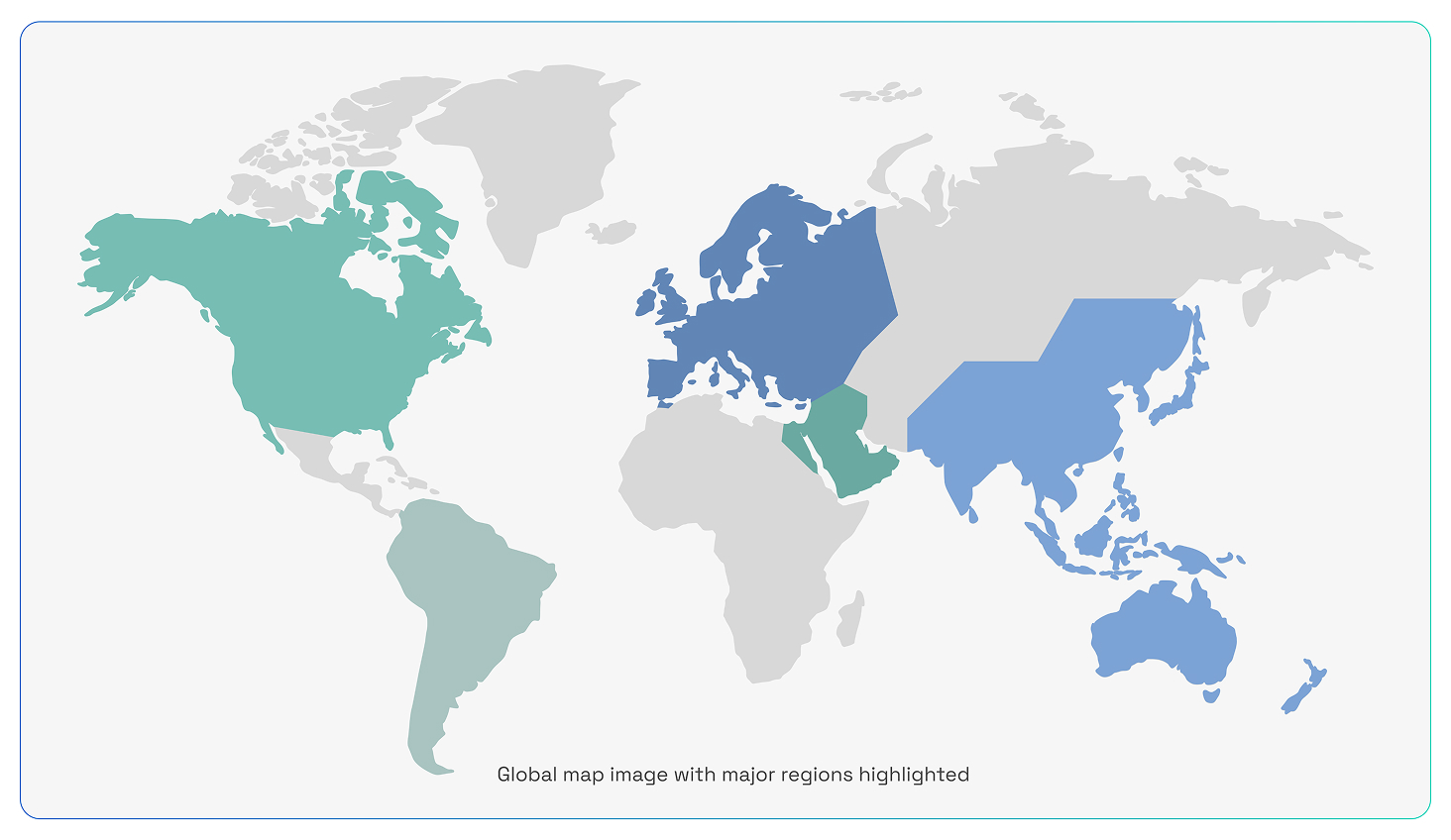
- North America
- Europe
- Asia-Pacific
- Latin America
- Middle East
- Africa
- United States
- Canada
- Germany
- United Kingdom
- France
- China
- India
- Japan
- South Korea
- Australia
- Brazil
- Mexico
- United Arab Emirates
- Saudi Arabia
Recent Developments
Recent Developments
December,2025: Approximately 30 cybersecurity M&A transactions were disclosed, with firms such as Palo Alto Networks, Bugcrowd, and Zscaler investing in AI-driven security features that improve endpoint detection and response.
Feb 17–20, 2026: At Cisco Live EMEA 2026, new endpoint security features were showcased by Cisco supporting integrated networking security and advanced device threat mitigation.
Frequently Asked Questions
A1: Endpoint security market CAGR of 8.2% expected through forecast period.
A2: The Endpoint Security Market is seeing the fastest growth from applications such as threat detection and response, malware and ransomware protection, mobile and remote device security, data loss prevention, and secure access management
A3: Key market leaders in the Endpoint Security Market include Microsoft, CrowdStrike, Palo Alto Networks, Symantec (Broadcom), McAfee, Trend Micro, Sophos, Check Point Software, Cisco, and Bitdefender, as they provide leading solutions for threat detection, device protection, and cybersecurity management across endpoints.
A4: The main challenges in the Endpoint Security market are evolving cyber threats, high costs, complexity, and a shortage of skilled professionals.
A5: The regions expected to see the fastest growth in the Endpoint Security market are Asia‑Pacific, Latin America, and the Middle East & Africa, driven by increasing cyber threats, rising digital transformation initiatives, growing adoption of cloud and mobile devices.
A6: The main verticals in the Endpoint Security market are BFSI (Banking, Financial Services & Insurance), IT & Telecom, healthcare, government & defense, manufacturing, and retail, with BFSI, IT & Telecom, and healthcare representing the largest adoption due to high regulatory and cybersecurity requirements.
GET A FREE SAMPLE
This FREE sample includes market data points, ranging from trend analyses to market estimates & forecasts. See for yourself.
NEED A CUSTOM REPORT?
We can customize every report including purchasing stand-alone sections or country-level reports, as well as <b> offer affordable discounts for start-ups & universities.</b>
Share this report:
Seize Tomorrow's Opportunities Today: Access the Full Report
Our Top Selling Reports
- •Water-Soluble Vitamin & Mineral Feed Supplements Market
- •Pyridine & Pyridine Derivatives Market
- •Nutraceutical Ingredients Market
- •Functional Food Ingredients Market
- •Water-Soluble Vitamin & Mineral Feed Supplements Market
- •Pyridine & Pyridine Derivatives Market
- •Nutraceutical Ingredients Market
- •Functional Food Ingredients Market
Personalize This Report
- •Triangulate with your Own Data
- •Get Data as per your Format and Definition
- •Gain a Deeper Dive on a Specific Application, Geography, Customer or Competitor
- •Any level of Personalization
Let Us Help You
- •What are the Known and Unknown Adjacencies Impacting the Digital Health Market
- •What will your New Revenue Sources be?
- •Who will be your Top Customer; what will make them switch?
- •Defend your Market Share or Win Competitors
- •Customized Workshop Request