
AfterMarket 2025–2035: Supply Chain, Market Drivers, and Outlook
GET A FREE SAMPLE
NEED A CUSTOM REPORT?
We can customize every report including purchasing stand-alone sections or country-level reports, as well as <b> offer affordable discounts for start-ups & universities.</b>
Share this report:




Introduction
Key Report Highlights
Dominant Segments
Competitive Intelligence
Strategic Insights
Regional Dynamics
Driving Mobility & Maintenance Growth: Why Our Global Automotive Aftermarket Market Report is Essential for the Industry
The global Automotive Aftermarket market plays a crucial role in maintaining vehicle performance, safety, and longevity after the original sale. It includes all services, parts, and accessories required for vehicle repair, replacement, customization, and maintenance. The market is expanding rapidly due to the increasing vehicle parc, rising average vehicle age, growing demand for maintenance services, and advancements in digital automotive retailing. With the rise of electric vehicles (EVs), connected cars, and e-commerce platforms, the aftermarket ecosystem is evolving into a more technology-driven and customer-centric industry.
1. By Product Type: Replacement Parts (Dominant Segment)
The replacement parts segment holds the largest market share.
Why it dominates:
- Continuous wear and tear of vehicle components
- High demand for engine, brake, and transmission parts
- Essential for vehicle maintenance and safety
- Large global vehicle fleet
Other key products:
- Tires
- Batteries & electrical components
- Body parts
- Accessories
2. By Service Channel: DIFM (Dominant Segment)
Do-It-For-Me (DIFM) services lead the market.
Why:
- Preference for professional repair services
- Increasing vehicle complexity
- Growth of organized workshops and service centers
- Time-saving convenience for consumers
3. By Distribution Channel: Offline Retail (Dominant Segment)
Offline retail and workshops dominate distribution.
Why:
- Immediate availability of parts and services
- Strong network of local mechanics and garages
- Customer trust in physical inspection
- Widespread presence in urban and rural areas
4. By Vehicle Type: Passenger Cars (Dominant Segment)
Passenger cars account for the largest share.
Why:
- Large global passenger vehicle fleet
- High frequency of maintenance and repairs
- Increasing ownership in emerging markets
- Growing average vehicle lifespan
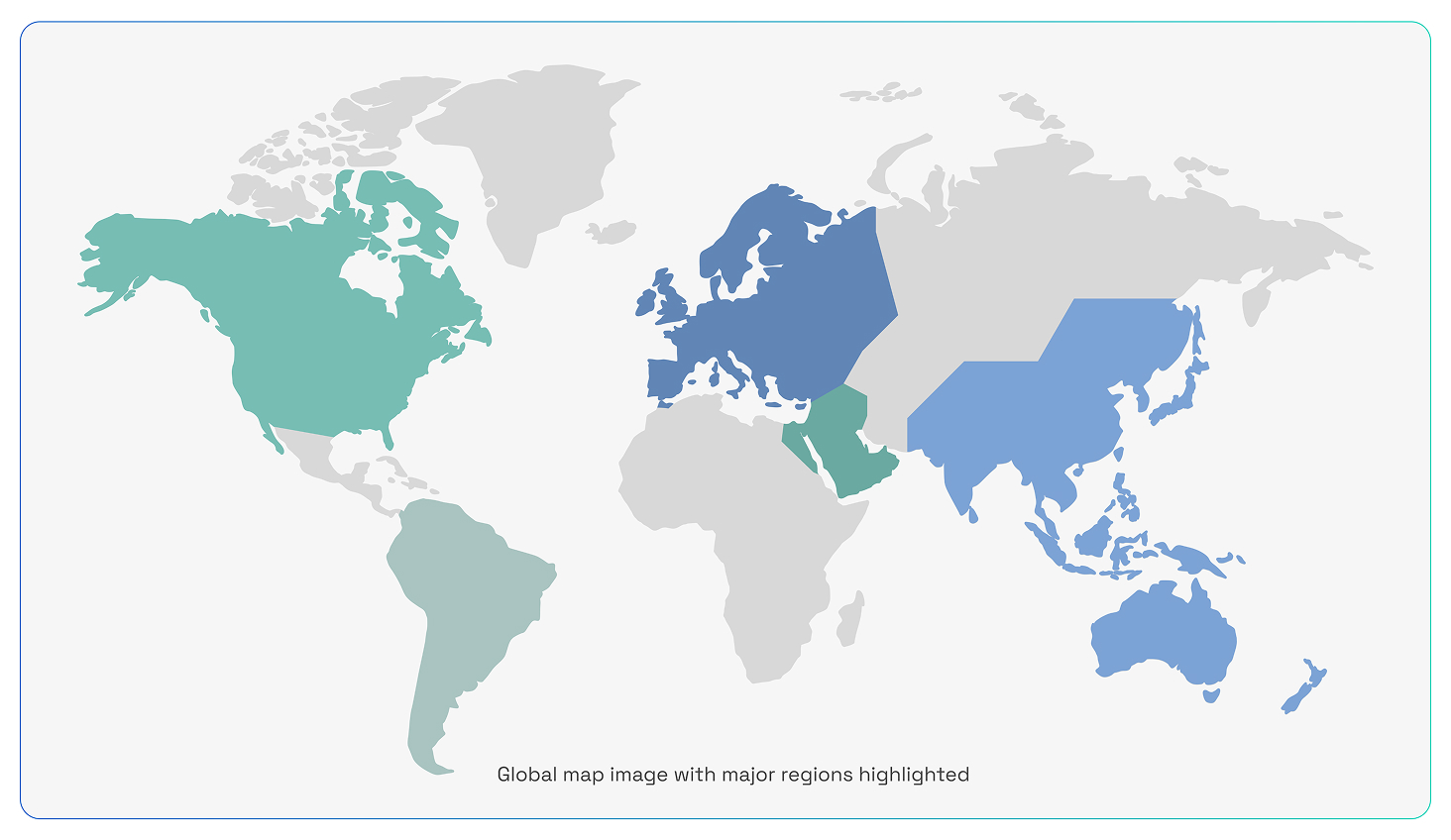
5. By Geography: Asia-Pacific (Dominant Region)
Asia-Pacific leads the global market.
Key factors:
- Rapid vehicle ownership growth in China and India
- Expanding automotive service network
- Large and aging vehicle fleet
- Rising disposable income and mobility demand
Fastest-growing region:
- Latin America
Drivers: What is fueling market growth?
- Increasing vehicle parc and aging vehicles
- Rising demand for maintenance and repair services
- Growth in e-commerce automotive parts sales
- Technological advancements in diagnostics and repair
- Expansion of organized service networks
Restraints (R) – What is limiting growth?
- High cost of advanced replacement parts
- Growing complexity of modern vehicles
- Availability of counterfeit parts
- Skilled labor shortages in repair services
Opportunities (O) – Where is future growth coming from?
- Growth of EV aftermarket ecosystem
- Digital platforms for parts distribution
- Predictive maintenance using IoT and AI
- Expansion in emerging automotive markets
Trends (T) – What is shaping the future?
- Rise of e-commerce auto parts platforms
- Connected vehicle diagnostics
- Shift toward EV-specific aftermarket services
- Increasing use of data-driven maintenance solutions
Methodology
We use a stepwise research approach combining secondary research, primary validation, and data triangulation to estimate market size and forecast growth.
| Step | What we do |
|---|---|
| 1. Secondary research | Review public sources (company disclosures, industry publications, and credible datasets) to map the market and build baseline assumptions. |
| 2. Primary inputs | Validate assumptions through expert inputs (manufacturers, technology providers, and domain specialists). |
| 3. Sizing & forecasting | Apply structured sizing methods and forecast models using adoption trends, segment mix, and regional demand patterns. |
| 4. Triangulation | Cross-check estimates across multiple methods and sources to ensure consistency and reduce bias. |
Overview of the Aftermarket Industry
How aftermarket products and services extend product life cycles, enhance performance, and create recurring revenue opportunities across industries
🔧 Key Segments
- Automotive Replacement Parts (e.g., filters, brake pads, batteries)
- Consumer Electronics Accessories & Repairs
- Industrial Equipment Spare Parts
- Aerospace & Defense MRO (Maintenance, Repair & Overhaul)
- Heavy Machinery & Construction Equipment Components
📈 Business Benefits
- Recurring revenue and long-term customer engagement
- Extended product lifespan and lifecycle value
- Enhanced performance and upgrade opportunities
- Lower ownership costs compared to full replacement
- Stronger brand loyalty through service networks
⚙️ Core Capabilities
- Spare Parts Manufacturing & Distribution
- Repair & Refurbishment Services
- Warranty & Service Contract Management
- Supply Chain & Inventory Optimization
- Digital Diagnostics & Predictive Maintenance
Market Scope & Analysis
1. By Product Type
- Replacement Parts
- Tires
- Battery & Electrical Components
- Body Parts
- Accessories
2. By Service Channel
- DIY (Do-It-Yourself)
- DIFM (Do-It-For-Me)
- OE Service Providers
3. By Distribution Channel
- Online Retail
- Offline Retail
- Authorized Dealers
- Independent Workshops
4. By Vehicle Type
- Passenger Cars
- Commercial Vehicles
- Two-Wheelers
- Off-Highway Vehicles
5. By Geography
- North America
- Europe
- Asia-Pacific
- Latin America
- Middle East & Africa
- Bosch
- Denso
- Magna International
- Continental AG
- North America
- Europe
- Asia-Pacific
- Latin America
- Middle East
- Africa
- United States
- Canada
- Germany
- United Kingdom
- France
- China
- India
- Japan
- South Korea
- Australia
- Brazil
- Mexico
- United Arab Emirates
- Saudi Arabia
Recent Developments
Recent Developments
Jan 2025: A dedicated AI Working Group for the automotive aftermarket convened (including participants from Alliance1 and O’Reilly Auto Parts) to set strategic goals for AI adoption in the sector, focusing on data integration, security, and practical use cases across service operations — a sign of rising digital transformation efforts in aftermarket services.
May 2025: Magna International entered a strategic partnership with CarParts.Com to expand its aftermarket reach via digital channels, and in May 2025, Aptiv PLC completed the acquisition of Valeo Service, significantly strengthening its aftermarket product portfolio in Europe and broadening its system-level offerings — reflecting active consolidation and expansion moves in the parts ecosystem.
Frequently Asked Questions
A1: Aftermarket expects a CAGR of 3.5% from 2025 to 2035.
A2: The Aftermarket is primarily driven by applications in automotive replacement parts, vehicle maintenance and repair services, performance upgrades and accessories, fleet management solutions, and tire and battery replacements.
A3: Key players in the Aftermarket include Bosch Automotive Aftermarket, Denso Corporation, Magna International, Aisin Seiki Co., Ltd., Continental AG, ZF Friedrichshafen AG, Ashimori Industry Co., Ltd., Federal‑Mogul (now part of Tenneco), Standard Motor Products, and Delphi Technologies — major suppliers of replacement parts, repair components, and service solutions across automotive and industrial aftermarket segments.
A4: Challenges in adoption of the aftermarket are intense competition, quality assurance concerns, distribution challenges, brand trust issues, and evolving consumer preferences.
A5: The Aftermarket Market is expected to see its fastest growth in Asia‑Pacific, driven by rapid expansion of vehicle fleets, rising disposable incomes, increasing demand for maintenance and replacement parts, and growing e‑commerce platforms for aftermarket products.
A6: Aftermarket verticals include automotive, industrial machinery, electronics, and consumer goods sectors providing replacement parts, accessories, and services post-sale.
GET A FREE SAMPLE
This FREE sample includes market data points, ranging from trend analyses to market estimates & forecasts. See for yourself.
NEED A CUSTOM REPORT?
We can customize every report including purchasing stand-alone sections or country-level reports, as well as <b> offer affordable discounts for start-ups & universities.</b>
Share this report:
Seize Tomorrow's Opportunities Today: Access the Full Report
Our Top Selling Reports
- •Water-Soluble Vitamin & Mineral Feed Supplements Market
- •Pyridine & Pyridine Derivatives Market
- •Nutraceutical Ingredients Market
- •Functional Food Ingredients Market
- •Water-Soluble Vitamin & Mineral Feed Supplements Market
- •Pyridine & Pyridine Derivatives Market
- •Nutraceutical Ingredients Market
- •Functional Food Ingredients Market
Personalize This Report
- •Triangulate with your Own Data
- •Get Data as per your Format and Definition
- •Gain a Deeper Dive on a Specific Application, Geography, Customer or Competitor
- •Any level of Personalization
Let Us Help You
- •What are the Known and Unknown Adjacencies Impacting the Digital Health Market
- •What will your New Revenue Sources be?
- •Who will be your Top Customer; what will make them switch?
- •Defend your Market Share or Win Competitors
- •Customized Workshop Request