
E commerce Market 2025–2032: Innovation Drivers and Market Projections
GET A FREE SAMPLE
NEED A CUSTOM REPORT?
We can customize every report including purchasing stand-alone sections or country-level reports, as well as <b> offer affordable discounts for start-ups & universities.</b>
Share this report:




Introduction
Key Report Highlights
Dominant Segments
Competitive Intelligence
Strategic Insights
Regional Dynamics
Powering Digital Commerce Growth: Why Our Global E-Commerce Market Report is Essential for Strategic Expansion
The global e-commerce market is transforming the way businesses and consumers interact, driven by rapid digital adoption, mobile commerce, and evolving customer expectations. Our report provides in-depth insights into market trends, growth drivers, competitive landscape, and emerging technologies, helping businesses optimize online retail strategies and maximize revenue potential.
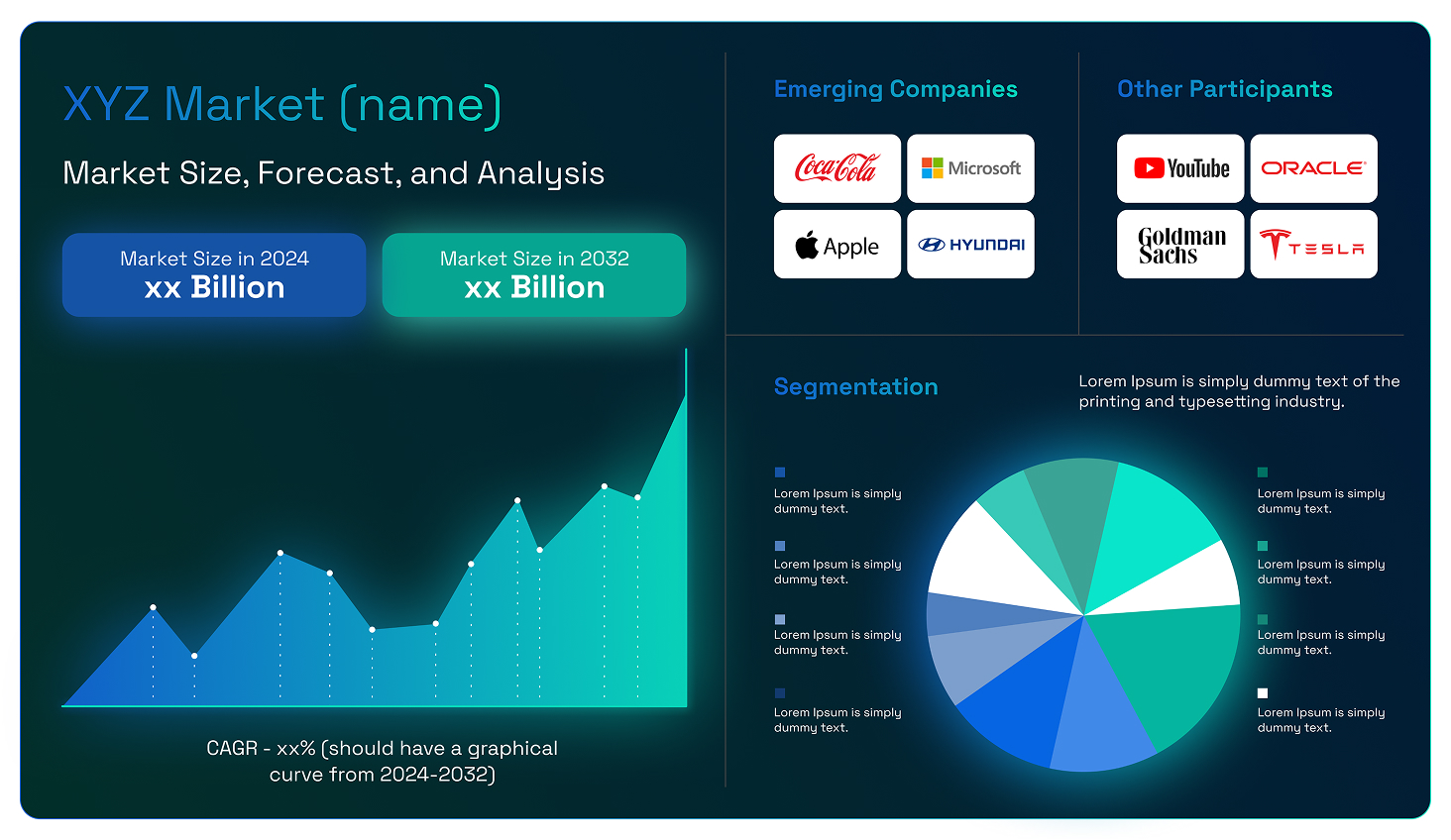
1. By Business Model: B2C (Dominant Segment)
The B2C (Business-to-Consumer) segment holds the largest market share.
Why it dominates:
- Rising online shopping adoption among consumers
- Growth of mobile commerce platforms
- Wide product availability and convenience
- Strong influence of digital marketing
Consumers increasingly prefer online shopping due to convenience, discounts, and fast delivery options.
2. By Product Category: Electronics & Fashion (Dominant)
Electronics and fashion dominate the e-commerce market.
Why:
- High consumer demand for smartphones, gadgets, and apparel
- Frequent product upgrades and fashion trends
- Strong brand presence online
- Wide availability across platforms
These categories drive the majority of online retail revenue globally.
3. By Payment Method: Digital Payments (Dominant)
The digital payments segment leads the market.
Reasons:
- Growth of UPI, wallets, and cards
- Faster and secure transactions
- Cashless economy initiatives
- Integration with mobile commerce apps
Digital payments enhance customer experience and transaction efficiency.
4. By Platform Type: Mobile Commerce (Dominant)
Mobile commerce (m-commerce) is the leading platform.
Why:
- Widespread smartphone penetration
- Easy access to shopping apps
- Push notifications and personalized offers
- Faster browsing and checkout experience
Trend: Desktop commerce remains relevant for high-value purchases and B2B transactions.
5. By End-User: Individual Consumers (Dominant)
Individual consumers account for the highest market share.
Why:
- Growing internet penetration
- Convenience of home delivery
- Wide product selection
- Discount-driven purchasing behavior
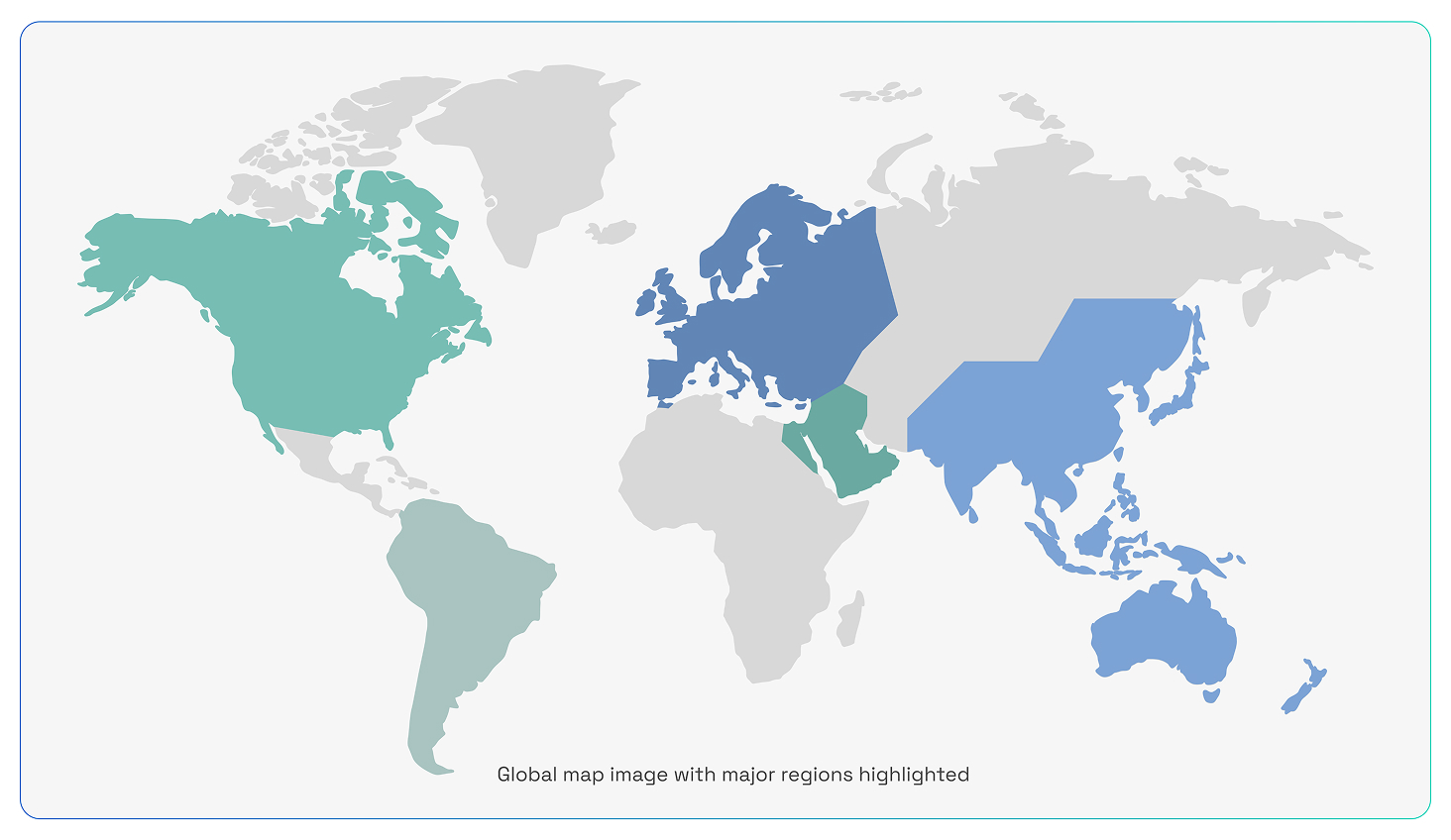
6. By Geography: Asia-Pacific (Dominant Region)
Asia-Pacific holds the largest market share.
Key factors:
- Massive population base
- Rapid digitalization and smartphone adoption
- Strong presence of platforms like India and China ecosystems
- Expanding logistics and fintech infrastructure
Fastest-growing region:
- Latin America and Middle East & Africa
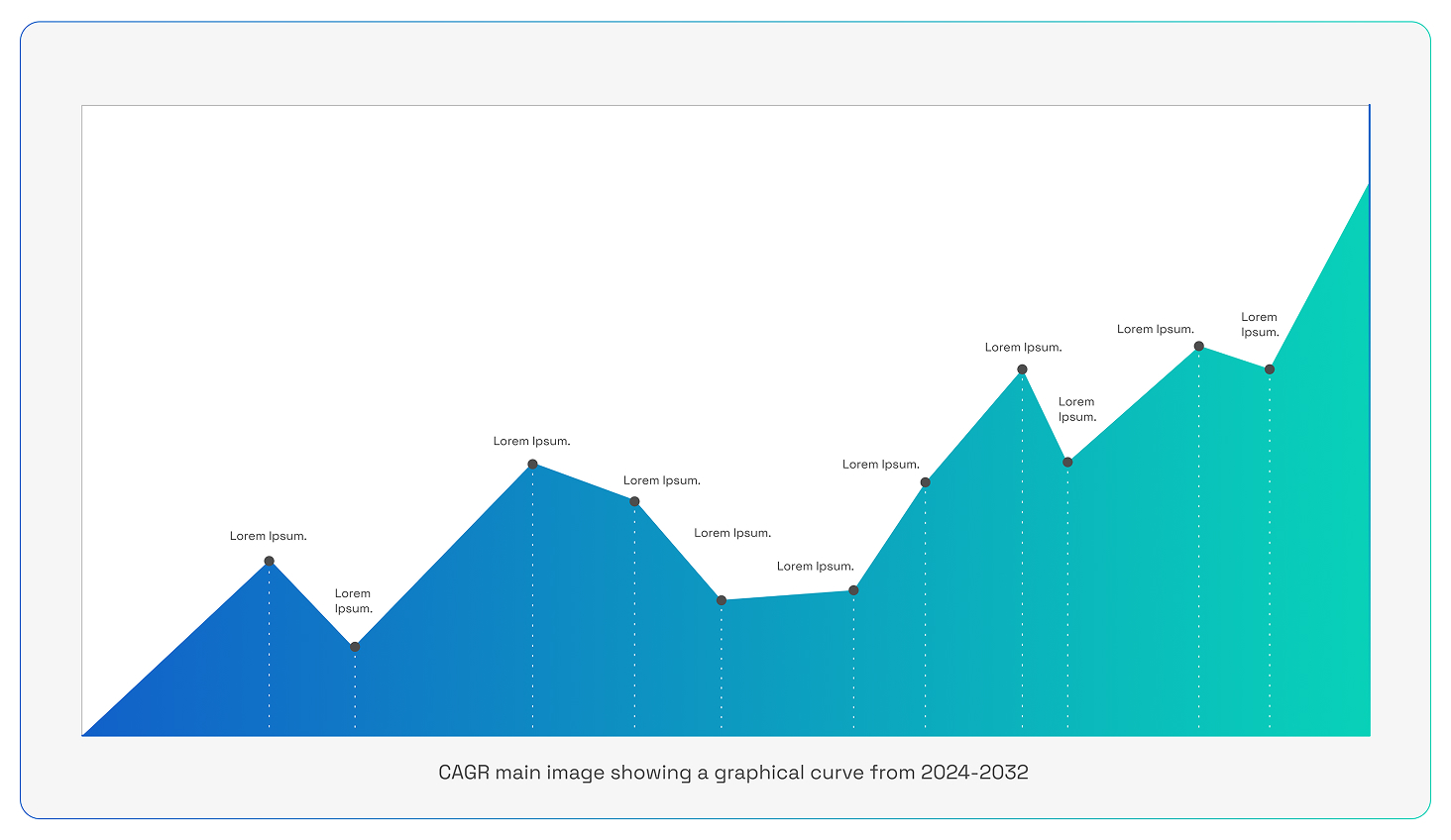
Drivers: What is fueling market growth?
- Increasing internet and smartphone penetration
- Growth of digital payment systems
- Expansion of logistics and supply chain networks
- Rise of social commerce
- Convenience and competitive pricing
Restraints (R) – What is limiting growth?
- Cybersecurity and fraud risks
- High return and refund rates
- Logistics and delivery challenges
- Intense market competition
Opportunities (O) – Where is future growth coming from?
- Social commerce and influencer-driven sales
- AI-powered personalized shopping
- Cross-border e-commerce expansion
- Voice and AR-based shopping experiences
Trends (T) – What is shaping the future?
- Quick commerce (10–30 minute delivery)
- AI-driven recommendation engines
- Omnichannel retail integration
- Live commerce and shoppable videos
Methodology
We use a stepwise research approach combining secondary research, primary validation, and data triangulation to estimate market size and forecast growth.
| Step | What we do |
|---|---|
| 1. Secondary research | Review public sources (company disclosures, industry publications, and credible datasets) to map the market and build baseline assumptions. |
| 2. Primary inputs | Validate assumptions through expert inputs (manufacturers, technology providers, and domain specialists). |
| 3. Sizing & forecasting | Apply structured sizing methods and forecast models using adoption trends, segment mix, and regional demand patterns. |
| 4. Triangulation | Cross-check estimates across multiple methods and sources to ensure consistency and reduce bias. |
Overview of the E-Commerce Market
How e-commerce is transforming retail, driving digital transactions, and enhancing customer experiences
🛒 Key Applications
- Online Retail & Marketplaces
- Mobile Commerce (M-Commerce)
- Social Commerce Platforms
- Digital Payment Solutions
- B2B & Omnichannel Retailing
📈 Business Benefits
- Expanded market reach and global sales
- Enhanced customer convenience and engagement
- Personalized shopping experiences with AI/analytics
- Faster transaction processing and reduced costs
- Integration with logistics and supply chain management
Core Technologies
- Mobile and Web Platforms
- Payment Gateways & Digital Wallets
- AI & ML for Personalization
- Cloud-based E-Commerce Platforms
- Analytics & Customer Engagement Tools
Market Scope & Analysis
1. By Business Model
- B2C
- B2B
- C2C
- D2C (Direct-to-Consumer)
2. By Product Category
- Electronics
- Fashion & Apparel
- Home & Furniture
- Beauty & Personal Care
- Groceries
- Books & Media
3. By Payment Method
- Digital Wallets
- Credit/Debit Cards
- UPI / Bank Transfers
- Cash on Delivery
4. By Platform Type
- Mobile Commerce
- Desktop Commerce
- Marketplace Platforms
- Brand Websites
5. By End-User
- Individual Consumers
- Enterprises
- Retailers
6. By Geography
- Asia-Pacific
- North America
- Europe
- Latin America
- Middle East & Africa
- Amazon
- Alibaba
- Walmart
- JD.com
- eBay
- Shopify
- Rakuten
- Flipkart
- Tencent
- MercadoLibre
- North America
- Europe
- Asia-Pacific
- Latin America
- Middle East
- Africa
- United States
- Canada
- Germany
- United Kingdom
- France
- China
- India
- Japan
- South Korea
- Australia
- Brazil
- Mexico
- United Arab Emirates
- Saudi Arabia
Recent Developments
Recent Developments
February 11, 2026: MercadoLibre partnered with Brazilian retailer Assaí to sell and fulfill food, hygiene, and perfumery products nationwide, deepening its commerce footprint in Latin America.
February 9, 2026: Rich Sparkle Holdings teamed up with social media creator Khaby Lame to bring livestream commerce to Western markets, blending influencer reach with commerce infrastructure. date and time.
Frequently Asked Questions
A1: E commerce market is anticipated to grow at a CAGR of 18.8% in the forecast period
A2: The applications driving the most growth within the E‑Commerce Market include online retail platforms, mobile commerce (m‑commerce), social commerce, digital payment solutions, B2B marketplaces, and omnichannel retailing, fueled by increasing internet penetration, smartphone adoption, and demand for convenient, personalized shopping experiences.
A3: Key market leaders in the E‑Commerce Market include Amazon, Alibaba, Walmart, JD.com, eBay, Shopify, Rakuten, Flipkart, Tencent, and MercadoLibre.
A4: The main challenges in the E‑commerce market are logistics and delivery issues, regulatory hurdles, and limited internet access in emerging regions.
A5: The regions expected to see the fastest growth in the E‑commerce market are Asia‑Pacific, Latin America, and the Middle East & Africa, driven by rising internet and smartphone penetration, expanding digital payment adoption, and growing middle-class consumer populations.
A6: The main e-commerce verticals are fashion & apparel, consumer electronics, groceries & FMCG, health & beauty, home & furniture, books & media, and automotive, with fashion, electronics, and groceries dominating globally.
GET A FREE SAMPLE
This FREE sample includes market data points, ranging from trend analyses to market estimates & forecasts. See for yourself.
NEED A CUSTOM REPORT?
We can customize every report including purchasing stand-alone sections or country-level reports, as well as <b> offer affordable discounts for start-ups & universities.</b>
Share this report:
Seize Tomorrow's Opportunities Today: Access the Full Report
Our Top Selling Reports
- •Water-Soluble Vitamin & Mineral Feed Supplements Market
- •Pyridine & Pyridine Derivatives Market
- •Nutraceutical Ingredients Market
- •Functional Food Ingredients Market
- •Water-Soluble Vitamin & Mineral Feed Supplements Market
- •Pyridine & Pyridine Derivatives Market
- •Nutraceutical Ingredients Market
- •Functional Food Ingredients Market
Personalize This Report
- •Triangulate with your Own Data
- •Get Data as per your Format and Definition
- •Gain a Deeper Dive on a Specific Application, Geography, Customer or Competitor
- •Any level of Personalization
Let Us Help You
- •What are the Known and Unknown Adjacencies Impacting the Digital Health Market
- •What will your New Revenue Sources be?
- •Who will be your Top Customer; what will make them switch?
- •Defend your Market Share or Win Competitors
- •Customized Workshop Request