
Blood Glucose Device Market 2025–2035: Innovation Drivers and Market Projections
GET A FREE SAMPLE
NEED A CUSTOM REPORT?
We can customize every report including purchasing stand-alone sections or country-level reports, as well as <b> offer affordable discounts for start-ups & universities.</b>
Share this report:




Introduction
Key Report Highlights
Dominant Segments
Competitive Intelligence
Strategic Insights
Regional Dynamics
Revolutionizing Diabetes Care: Why Our Global Blood Glucose Monitoring Device Market Report is Essential for Modern Healthcare
The global Blood Glucose Monitoring (BGM) Device market is experiencing rapid growth due to the rising prevalence of diabetes, increasing demand for home-based healthcare, and continuous technological advancements in glucose monitoring systems. These devices help individuals track blood glucose levels in real time, enabling better disease management, preventing complications, and improving overall quality of life. The market includes traditional glucometers, continuous glucose monitoring (CGM) systems, and advanced smart monitoring devices integrated with mobile health platforms. Our report provides deep insights into market segmentation, trends, growth drivers, and future opportunities shaping diabetes care worldwide.
1. By Device Type: Self-Monitoring Blood Glucose (SMBG) Devices (Dominant Segment)
The SMBG devices segment holds the largest market share.
Why it dominates:
- Affordable and widely accessible
- Easy-to-use finger-prick testing method
- High adoption among Type 2 diabetes patients
- Suitable for regular home monitoring
Other key type:
- Continuous Glucose Monitoring (CGM) systems
2. By Product: Glucometers (Dominant Segment)
Glucometers remain the most widely used product.
Reasons:
- Low-cost and portable devices
- Quick blood sugar readings
- High penetration in developing markets
- Simple maintenance and usage
3. By Application: Type 2 Diabetes (Dominant Segment)
Type 2 diabetes accounts for the largest share.
Why:
- Rising global prevalence of lifestyle-related diabetes
- Increasing obesity rates
- Long-term glucose monitoring needs
- Growing awareness of disease management
4. By End-User: Home Care Settings (Dominant Segment)
Home care is the leading end-user segment.
Why:
- Shift toward self-monitoring and home healthcare
- Reduced hospital visits and costs
- Convenience and patient comfort
- Availability of easy-to-use devices
5. By Distribution Channel: Retail Pharmacies (Dominant Segment)
Retail pharmacies dominate distribution.
Why:
- Easy product availability
- Trust and accessibility for patients
- Strong presence in urban and rural areas
- Availability of consultation support
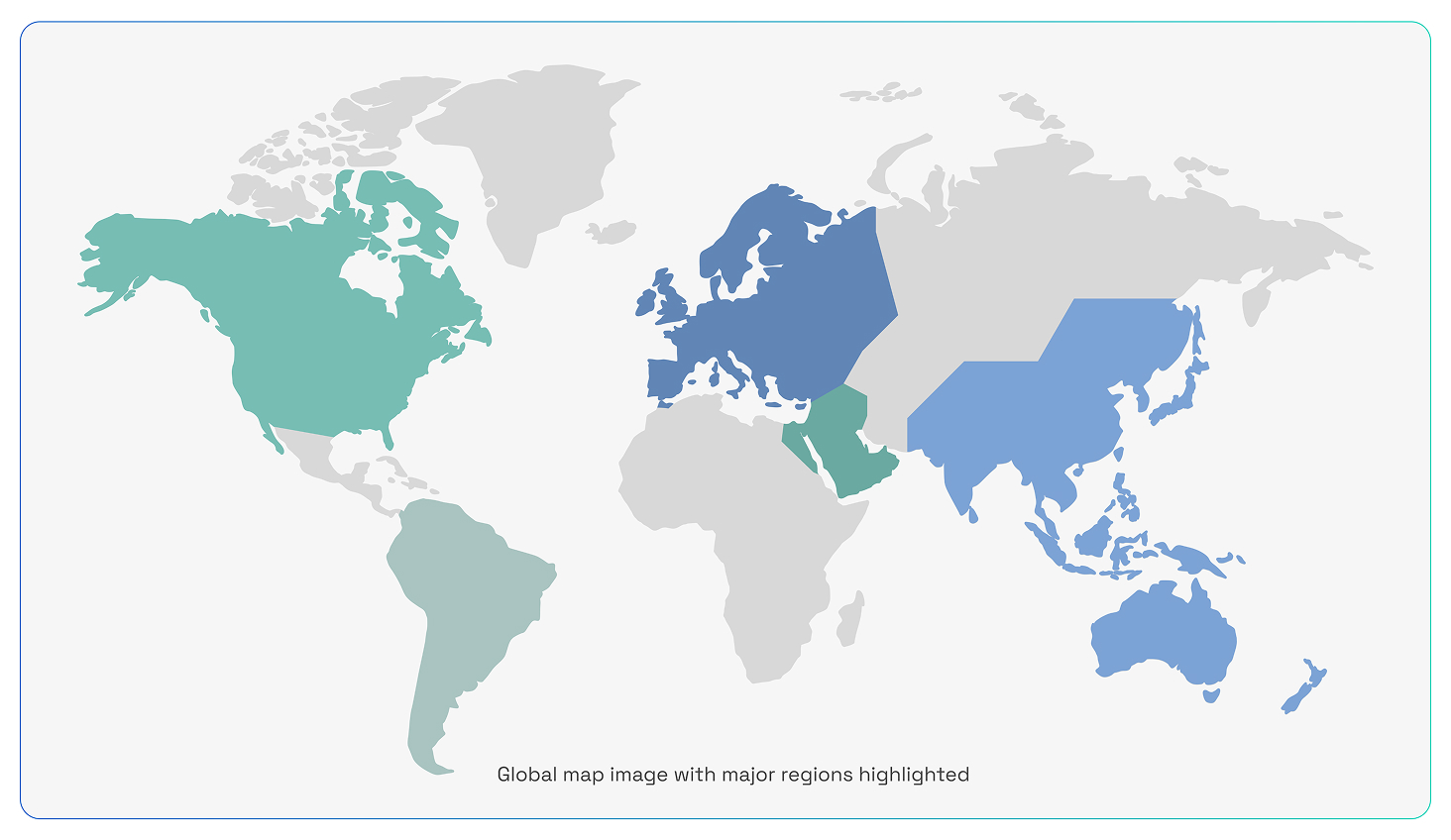
6. By Geography: North America (Dominant Region)
North America holds the largest market share.
Key factors:
- High diabetes prevalence
- Advanced healthcare infrastructure
- Strong adoption of CGM technology
- Presence of leading market players
Fastest-growing region:
- Asia-Pacific (India, China, Japan, South Korea)
Drivers: What is fueling market growth?
- Rising global diabetes prevalence
- Increasing adoption of home-based monitoring
- Technological advancements in CGM devices
- Growing awareness of preventive healthcare
- Expansion of digital health and connected devices
Restraints (R) – What is limiting growth?
- High cost of continuous glucose monitoring systems
- Discomfort with invasive testing methods
- Limited reimbursement in some regions
- Accuracy concerns in certain devices
Opportunities (O) – Where is future growth coming from?
- Growth in wearable CGM technology
- Integration with smartphones and health apps
- Expansion in emerging economies
- Development of non-invasive glucose monitoring
Trends (T) – What is shaping the future?
- Smart connected glucose monitoring systems
- Real-time data analytics and alerts
- Miniaturized wearable sensors
- AI-powered diabetes management platforms
Methodology
We use a stepwise research approach combining secondary research, primary validation, and data triangulation to estimate market size and forecast growth.
| Step | What we do |
|---|---|
| 1. Secondary research | Review public sources (company disclosures, industry publications, and credible datasets) to map the market and build baseline assumptions. |
| 2. Primary inputs | Validate assumptions through expert inputs (manufacturers, technology providers, and domain specialists). |
| 3. Sizing & forecasting | Apply structured sizing methods and forecast models using adoption trends, segment mix, and regional demand patterns. |
| 4. Triangulation | Cross-check estimates across multiple methods and sources to ensure consistency and reduce bias. |
Brief of the Blood Glucose Monitoring Device Market
How blood glucose monitoring devices are empowering diabetes management, improving patient outcomes, and enabling real-time glucose tracking
🩸 Key Applications
- Self-Monitoring of Blood Glucose (SMBG)
- Continuous Glucose Monitoring (CGM) Systems
- Hospital & Clinical Diabetes Management
- Wearable & Connected Diabetes Devices
- Integration with Insulin Delivery Systems
📈 Business Benefits
- Improved glycemic control and patient outcomes
- Enhanced patient adherence and self-care
- Real-time data for physicians and caregivers
- Reduced risk of diabetes-related complications
- Support for digital health and remote monitoring initiatives
Core Technologies
- Electrochemical & Optical Glucose Sensors
- Continuous Glucose Monitoring (CGM) Devices
- Wearable & Wireless Glucose Monitoring Systems
- Smartphone & Cloud-Connected Platforms
- Data Analytics & AI-Driven Glucose Insights
Market Scope & Analysis
1. By Device Type
- Self-Monitoring Blood Glucose (SMBG) Devices
- Continuous Glucose Monitoring (CGM) Systems
2. By Product
- Glucometers
- Test Strips
- Lancets
- Sensors
3. By Application
- Type 1 Diabetes
- Type 2 Diabetes
- Gestational Diabetes
4. By End-User
- Home Care Settings
- Hospitals & Clinics
- Diagnostic Centers
5. By Distribution Channel
- Retail Pharmacies
- Hospital Pharmacies
- Online Pharmacies
6. By Geography
- North America
- Europe
- Asia-Pacific
- Latin America
- Middle East & Africa
- Roche Diabetes Care
- Abbott (Freestyle)
- Medtronic
- Dexcom
- Ascensia Diabetes Care
- North America
- Europe
- Asia-Pacific
- Latin America
- Middle East
- Africa
- United States
- Canada
- Germany
- United Kingdom
- France
- China
- India
- Japan
- South Korea
- Australia
- Brazil
- Mexico
- United Arab Emirates
- Saudi Arabia
Recent Developments
Recent Developments
October 2025: OSR Holdings expanded its strategic capabilities in next-generation glucose sensing platforms when it entered a definitive agreement to acquire Woori IO, a developer of noninvasive glucose monitoring technology.
April 2025: Cardinal Health strengthened its at-home diabetes care portfolio by completing the acquisition of Advanced Diabetes Supply Group. This acquisition included continuous glucose monitoring equipment and associated supplies.
Frequently Asked Questions
A1: Blood Glucose Device Market expects a CAGR of 8.8% from 2025 to 2035.
A2: The Blood Glucose Device Market is primarily driven by applications in self-monitoring of blood glucose for diabetes management, continuous glucose monitoring, insulin dose optimization, and remote patient monitoring.
A3: Key players in the Blood Glucose Device Market include Dexcom, Abbott Laboratories (FreeStyle), Medtronic, Roche Diagnostics, LifeScan (Johnson & Johnson), Insulet Corporation, Ascensia Diabetes Care, Bayer AG, and Tandem Diabetes Care — leading providers of glucose meters, continuous glucose monitoring (CGM) systems, and integrated diabetes care solutions.
A4: Challenges in adoption of blood glucose devices are high device costs, user training requirements, accuracy and calibration issues, patient adherence, and limited access in low-resource settings.
A5: The Blood Glucose Device Market is expected to grow fastest in Asia‑Pacific, driven by rising diabetes prevalence, increasing healthcare expenditure, expanding access to affordable monitoring solutions, and improving healthcare infrastructure.
A6: Blood Glucose Device Market verticals include hospitals, clinics, and home care patients using glucometers, continuous glucose monitors, and test strips for diabetes management.
GET A FREE SAMPLE
This FREE sample includes market data points, ranging from trend analyses to market estimates & forecasts. See for yourself.
NEED A CUSTOM REPORT?
We can customize every report including purchasing stand-alone sections or country-level reports, as well as <b> offer affordable discounts for start-ups & universities.</b>
Share this report:
Seize Tomorrow's Opportunities Today: Access the Full Report
Our Top Selling Reports
- •Water-Soluble Vitamin & Mineral Feed Supplements Market
- •Pyridine & Pyridine Derivatives Market
- •Nutraceutical Ingredients Market
- •Functional Food Ingredients Market
- •Water-Soluble Vitamin & Mineral Feed Supplements Market
- •Pyridine & Pyridine Derivatives Market
- •Nutraceutical Ingredients Market
- •Functional Food Ingredients Market
Personalize This Report
- •Triangulate with your Own Data
- •Get Data as per your Format and Definition
- •Gain a Deeper Dive on a Specific Application, Geography, Customer or Competitor
- •Any level of Personalization
Let Us Help You
- •What are the Known and Unknown Adjacencies Impacting the Digital Health Market
- •What will your New Revenue Sources be?
- •Who will be your Top Customer; what will make them switch?
- •Defend your Market Share or Win Competitors
- •Customized Workshop Request