
Aerosol Cans Market 2025-2035: Market Share, Growth Trajectory, and Insights
GET A FREE SAMPLE
NEED A CUSTOM REPORT?
We can customize every report including purchasing stand-alone sections or country-level reports, as well as <b> offer affordable discounts for start-ups & universities.</b>
Share this report:




Introduction
Key Report Highlights
Dominant Segments
Competitive Intelligence
Strategic Insights
Regional Dynamics
Packaging Innovation & Industrial Growth: Why Our Global Aerosol Can Market Report is Essential for Modern Manufacturing
The global Aerosol Can market is a key segment of the packaging industry, driven by rising demand from personal care, household products, pharmaceuticals, automotive, and industrial applications. Aerosol cans are pressurized containers used to dispense liquids, foams, or sprays in a controlled manner. They offer convenience, portability, and precise application, making them widely used in deodorants, hair sprays, paints, insecticides, and medical sprays. With increasing urbanization, growing consumer goods consumption, and expansion of hygiene and personal care industries, the aerosol can market is witnessing steady global growth.

1. By Material Type: Aluminum (Dominant Segment)
The aluminum segment holds the largest market share.
Why it dominates:
- Lightweight and corrosion-resistant properties
- High recyclability and sustainability benefits
- Strong demand in personal care and pharmaceutical packaging
- Premium appearance and durability
2. By Product Type: Necked-In Cans (Dominant Segment)
Necked-in aerosol cans lead the market.
Why:
- Better pressure handling capability
- Efficient product dispensing design
- Widely used in personal care products
- Improved safety and stability
3. By Application: Personal Care (Dominant Segment)
Personal care is the largest application area.
Why:
- High demand for deodorants and hair sprays
- Rising grooming and hygiene awareness
- Expanding cosmetic industry
- Convenience-driven consumer preference
4. By Propellant Type: Liquefied Gas (Dominant Segment)
Liquefied gas propellants dominate usage.
Why:
- Stable and efficient spray performance
- Commonly used in consumer aerosol products
- Cost-effective compared to compressed gas systems
- Wide compatibility with formulations
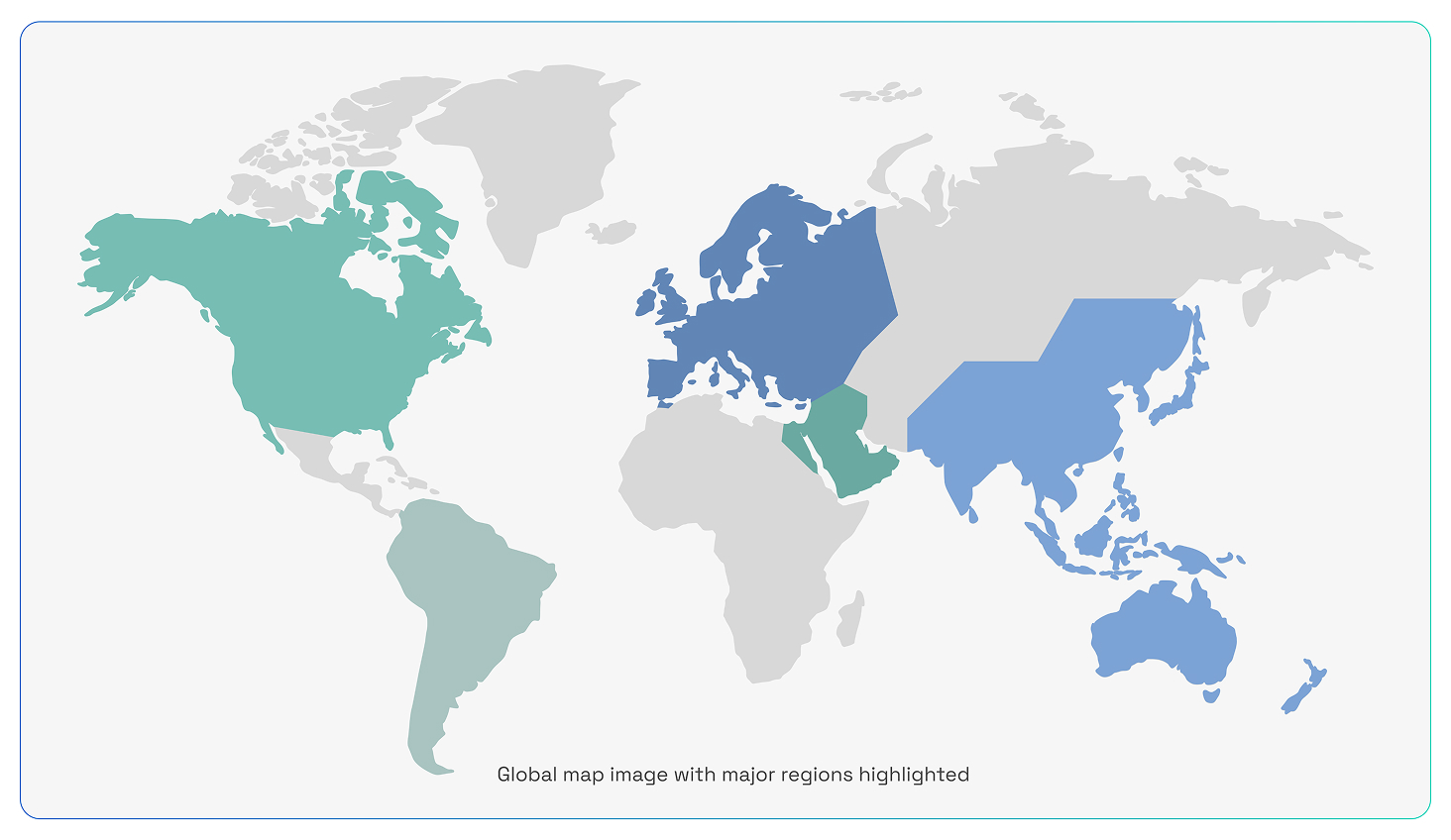
5. By Geography: Asia-Pacific (Dominant Region)
Asia-Pacific leads the market.
Key factors:
- Rapid growth in personal care consumption
- Strong manufacturing base in China and India
- Rising urban population
- Increasing retail and e-commerce expansion
Fastest-growing region:
- North America
Drivers: What is fueling market growth?
- Rising demand for personal care and hygiene products
- Growth in packaged consumer goods
- Increasing use in pharmaceuticals and healthcare sprays
- Convenience and ease of use
- Expansion of urban lifestyles
Restraints (R) – What is limiting growth?
- Environmental concerns over propellants
- Regulatory restrictions on emissions
- Volatility in raw material prices
- Competition from alternative packaging formats
Opportunities (O) – Where is future growth coming from?
- Eco-friendly and recyclable aerosol cans
- Growth in pharmaceutical spray applications
- Innovation in lightweight packaging
- Expansion in emerging markets
Trends (T) – What is shaping the future?
- Shift toward sustainable and recyclable materials
- Development of low-emission propellants
- Smart dispensing and precision spray systems
- Growth in premium personal care packaging
Methodology
We use a stepwise research approach combining secondary research, primary validation, and data triangulation to estimate market size and forecast growth.
| Step | What we do |
|---|---|
| 1. Secondary research | Review public sources (company disclosures, industry publications, and credible datasets) to map the market and build baseline assumptions. |
| 2. Primary inputs | Validate assumptions through expert inputs (manufacturers, technology providers, and domain specialists). |
| 3. Sizing & forecasting | Apply structured sizing methods and forecast models using adoption trends, segment mix, and regional demand patterns. |
| 4. Triangulation | Cross-check estimates across multiple methods and sources to ensure consistency and reduce bias. |
Overview of the Aerosol Can Market
How aerosol cans are enabling efficient product delivery, convenient packaging, and extended shelf life across industries
🛢️ Key Applications
- Personal Care & Cosmetics (e.g., deodorants, hairsprays)
- Household Products (e.g., cleaners, air fresheners)
- Food & Beverage Aerosols (e.g., whipped cream, cooking sprays)
- Industrial & Automotive (e.g., lubricants, paints)
- Pharmaceutical & Medical Aerosols
📈 Business Benefits
- Convenient and easy-to-use product delivery
- Extended shelf life and product preservation
- Improved portability and consumer accessibility
- Enhanced branding and packaging appeal
- Support for controlled dosage and precise application
Core Technologies
- Pressurized Aerosol Canisters
- Valve & Actuator Mechanisms
- Propellant Formulation & Compatibility
- Coatings & Packaging Design
- Filling & Sealing Automation Technologies
Market Scope & Analysis
1. By Material Type
- Aluminum
- Steel
2. By Product Type
- Straight Wall Cans
- Necked-In Cans
- Shaped Cans
3. By Application
- Personal Care
- Household Products
- Automotive & Industrial
- Pharmaceuticals
- Food & Beverages
4. By Propellant Type
- Liquefied Gas
- Compressed Gas
5. By Geography
- North America
- Europe
- Asia-Pacific
- Latin America
- Middle East & Africa
- Ball Corporation
- Crown Holdings
- Silgan Holdings
- North America
- Europe
- Asia-Pacific
- Latin America
- Middle East
- Africa
- United States
- Canada
- Germany
- United Kingdom
- France
- China
- India
- Japan
- South Korea
- Australia
- Brazil
- Mexico
- United Arab Emirates
- Saudi Arabia
Recent Developments
Recent Developments
September 2025: In order to align product performance with strict environmental standards and ESG transparency in deodorant packaging, Ball Corporation partnered with Brazilian personal care brands Soffie and Aeroflex to launch the first aluminum aerosol cans certified by the Aluminium Stewardship Initiative (ASI) in history.
January 2025: As part of circular economy initiatives to cut waste and improve recycling infrastructure in metal aerosol packaging, Ball Corporation and Meadow collaborated to introduce completely recyclable aluminum aerosol cans.
Frequently Asked Questions
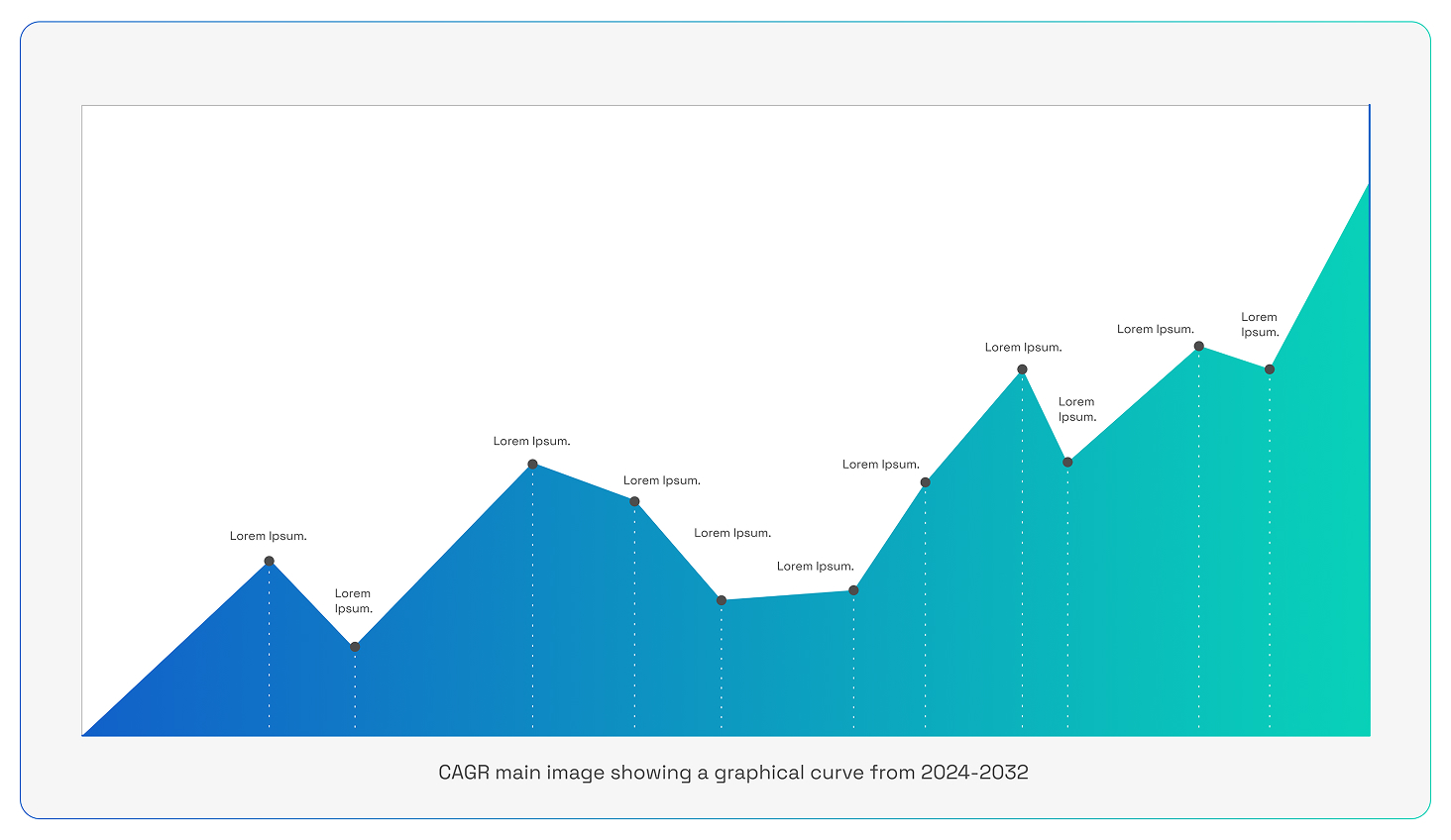
A1: Aerosol Cans Market expects a CAGR of 5.9% from 2025 to 2035.
A2: The Aerosol Cans Market is primarily driven by applications in personal care products, household cleaners and air fresheners, food and beverage aerosols, industrial lubricants and paints, and pharmaceutical sprays.
A3: Key players in the Aerosol Cans Market include Ball Corporation, Crown Holdings, Inc., Nampak Ltd., Mitsubishi Aluminum Co., Ltd., Silgan Holdings Inc., Can-Pack S.A., Ardagh Group, Mauser Packaging Solutions, and Helvetia Packaging — leading manufacturers of metal aerosol cans and packaging solutions.
A4: Challenges in adoption of aerosol cans are safety and flammability risks, environmental regulations, high production costs, recycling and disposal issues, and transportation restrictions.
A5: The Aerosol Cans Market is expected to grow fastest in Asia‑Pacific, fueled by rapid industrialization, rising consumer demand for personal care and household products, and expanding manufacturing in China, India, and Southeast Asia.
A6: Aerosol Cans Market verticals include personal care, household, food, and industrial products manufacturers using pressurized packaging for sprays and dispensers.
GET A FREE SAMPLE
This FREE sample includes market data points, ranging from trend analyses to market estimates & forecasts. See for yourself.
NEED A CUSTOM REPORT?
We can customize every report including purchasing stand-alone sections or country-level reports, as well as <b> offer affordable discounts for start-ups & universities.</b>
Share this report:
Seize Tomorrow's Opportunities Today: Access the Full Report
Our Top Selling Reports
- •Water-Soluble Vitamin & Mineral Feed Supplements Market
- •Pyridine & Pyridine Derivatives Market
- •Nutraceutical Ingredients Market
- •Functional Food Ingredients Market
- •Water-Soluble Vitamin & Mineral Feed Supplements Market
- •Pyridine & Pyridine Derivatives Market
- •Nutraceutical Ingredients Market
- •Functional Food Ingredients Market
Personalize This Report
- •Triangulate with your Own Data
- •Get Data as per your Format and Definition
- •Gain a Deeper Dive on a Specific Application, Geography, Customer or Competitor
- •Any level of Personalization
Let Us Help You
- •What are the Known and Unknown Adjacencies Impacting the Digital Health Market
- •What will your New Revenue Sources be?
- •Who will be your Top Customer; what will make them switch?
- •Defend your Market Share or Win Competitors
- •Customized Workshop Request