
Hydrogen Generation Market 2025–2035: Regional Insights, Growth Drivers, and Forecast
GET A FREE SAMPLE
NEED A CUSTOM REPORT?
We can customize every report including purchasing stand-alone sections or country-level reports, as well as <b> offer affordable discounts for start-ups & universities.</b>
Share this report:




Introduction
Key Report Highlights
Dominant Segments
Competitive Intelligence
Strategic Insights
Regional Dynamics
Hydrogen Generation Market Insights
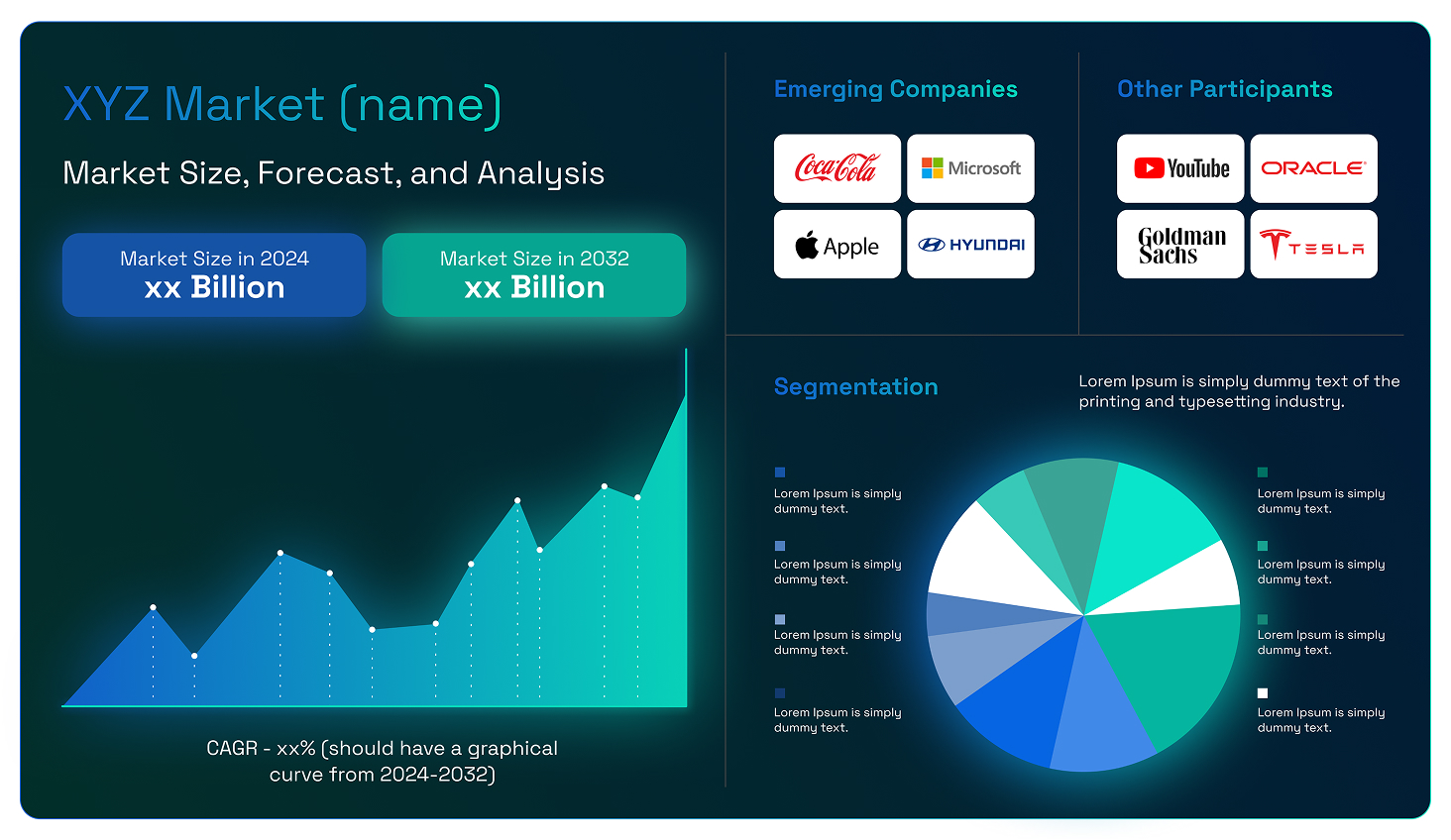
The global Hydrogen Generation Market is shaped by rising demand for clean fuel, industrial decarbonization, and government support for hydrogen economies.
This report highlights key trends, growth drivers, and emerging opportunities, helping companies expand hydrogen production technologies, support energy transition, and maximize returns on investments in low-carbon fuel solutions.
Methodology
We use a stepwise research approach combining secondary research, primary validation, and data triangulation to estimate market size and forecast growth.
| Step | What we do |
|---|---|
| 1. Secondary research | Review public sources (company disclosures, industry publications, and credible datasets) to map the market and build baseline assumptions. |
| 2. Primary inputs | Validate assumptions through expert inputs (manufacturers, technology providers, and domain specialists). |
| 3. Sizing & forecasting | Apply structured sizing methods and forecast models using adoption trends, segment mix, and regional demand patterns. |
| 4. Triangulation | Cross-check estimates across multiple methods and sources to ensure consistency and reduce bias. |
Outlook of the Hydrogen Generation Market
How Hydrogen Generation Technologies Enable Clean Fuel Production and Industrial Applications
⚡ Key Applications
- Industrial Hydrogen Supply
- Green Hydrogen for Energy
- Refineries and Chemical Processes
- Fuel Cell Vehicle Fueling
- Power-to-Gas Energy Systems
📈 Business Benefits
- Support for Clean Energy Transition
- Industrial Decarbonization
- Growing Hydrogen Market Demand
- Renewable Energy Integration
- Strategic Energy Security
Core Technologies
- Electrolysis Systems
- Steam Methane Reforming
- Partial Oxidation & Gasification
- Hydrogen Purification and Compression
- Fuel Cell Integration
Market Scope & Analysis
Rising Clean Fuel Demand, Industrial Decarbonization & Green Hydrogen Expansion: Why Our Hydrogen Generation Market Report is Essential for Global Energy Transition
The global hydrogen generation market is experiencing strong growth, driven by increasing demand for clean fuels, rising industrial decarbonization efforts, and large-scale investments in green hydrogen production. Hydrogen generation refers to the production of hydrogen gas through various methods such as steam methane reforming, electrolysis, coal gasification, and biomass-based processes.
As industries and governments move toward net-zero emissions, hydrogen is emerging as a critical energy carrier for transportation, power generation, refining, and chemical manufacturing. Technological advancements, supportive policies, and expansion of renewable energy are significantly accelerating market growth worldwide.
image_1_goes_here
1. By Technology: Steam Methane Reforming (Dominant Segment)
Steam methane reforming (SMR) holds the largest market share.
Why it dominates:
- Most established and widely used hydrogen production method
- Cost-effective for large-scale hydrogen generation
- High hydrogen output efficiency
- Extensive existing infrastructure in oil & gas sector
2. By Technology: Electrolysis
Electrolysis-based hydrogen generation is rapidly growing.
Why:
- Produces green hydrogen using renewable energy
- Zero carbon emissions during production
- Increasing government incentives and funding
- Integration with solar and wind power systems
3. By Application: Ammonia Production (Dominant Segment)
Ammonia production is the leading application.
Why:
- High demand in fertilizer industry
- Large-scale hydrogen consumption
- Well-established industrial supply chains
- Continuous global agricultural demand
4. By End User: Industrial Sector (Dominant Segment)
Industrial users dominate hydrogen generation demand.
Why:
- Strong use in refining and petrochemical industries
- Steel and metal processing applications
- High-volume hydrogen consumption requirements
- Shift toward cleaner industrial processes
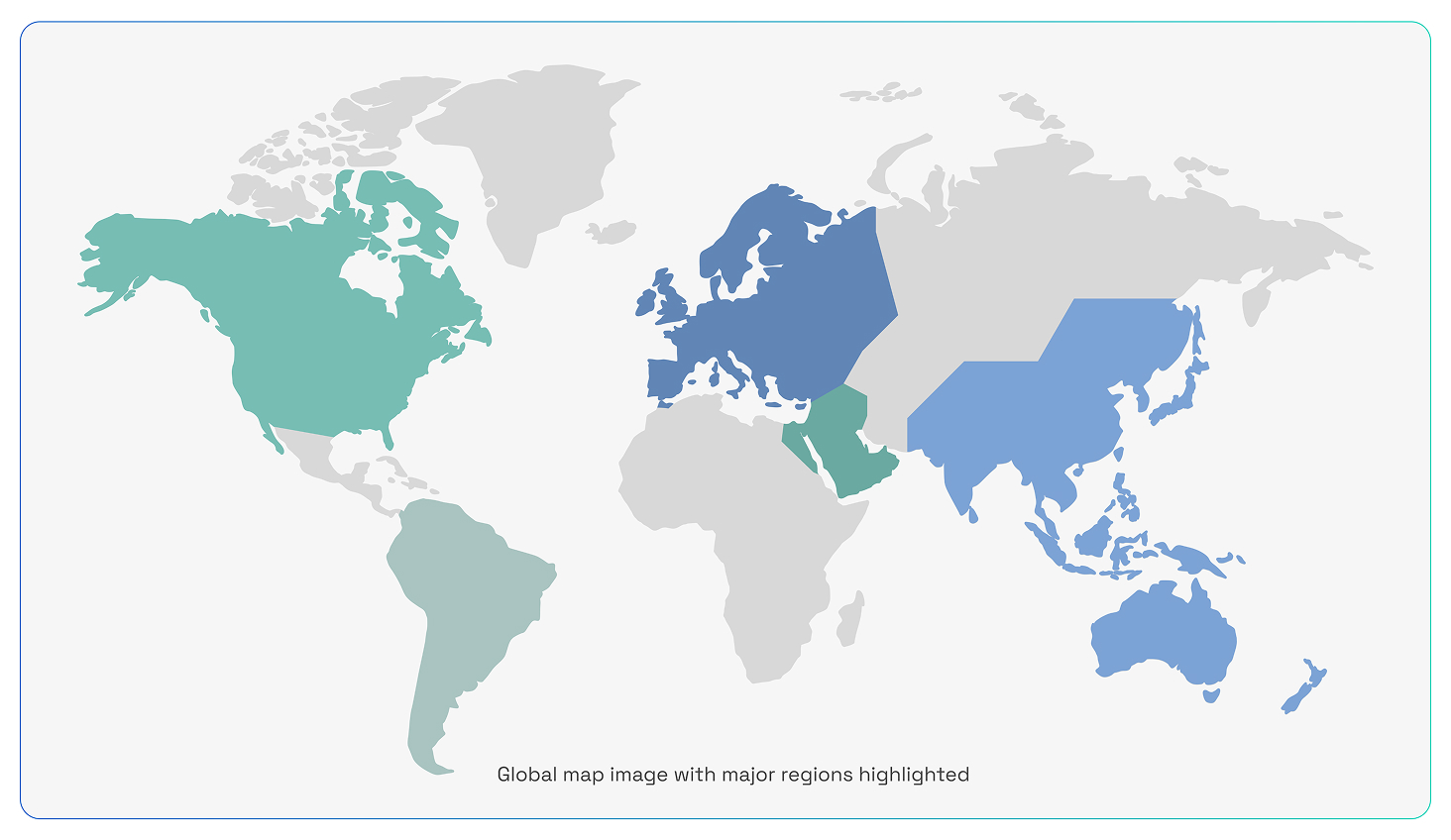
5. By Geography: Asia-Pacific (Dominant Region)
Asia-Pacific leads the hydrogen generation market.
Key factors:
- Rapid industrialization and energy demand growth
- Strong investments in hydrogen infrastructure
- Government support for clean energy transition
- Expanding chemical and refining industries
Fastest-growing region:
- Europe
image_2_goes_here
Drivers: What is fueling market growth?
- Rising demand for clean and low-carbon fuels
- Expansion of green hydrogen projects
- Government policies supporting hydrogen economy
- Industrial decarbonization initiatives
- Growth in renewable energy integration
Restraints (R) – What is limiting growth?
- High production and infrastructure costs for green hydrogen
- Carbon emissions in conventional hydrogen production
- Storage and transportation challenges
- Energy-intensive production processes
Opportunities (O) – Where is future growth coming from?
- Expansion of electrolysis-based green hydrogen plants
- Integration with renewable energy systems
- Growth of hydrogen fuel cell vehicles
- Development of hydrogen export and trade networks
Trends (T) – What is shaping the future?
- Rapid shift toward green hydrogen production
- Increasing investment in hydrogen hubs and clusters
- Adoption of carbon capture in blue hydrogen
- Digitalization of hydrogen production systems
image_3_goes_here
- Air Products
- Linde
- Air Liquid
- Siemens Energy
- Plug Power
- North America
- Europe
- Asia-Pacific
- Latin America
- Middle East
- Africa
- United States
- Canada
- Germany
- United Kingdom
- France
- China
- India
- Japan
- South Korea
- Australia
- Brazil
- Mexico
- United Arab Emirates
- Saudi Arabia
Recent Developments
Recent Developments
September 2025: an industrial gas producer boosted investment in green hydrogen production facilities to meet anticipated demand from the transportation sector.
November 2024: a global energy company signed a memorandum of understanding with an automotive manufacturer to supply hydrogen produced for fuel cell vehicles.
Frequently Asked Questions
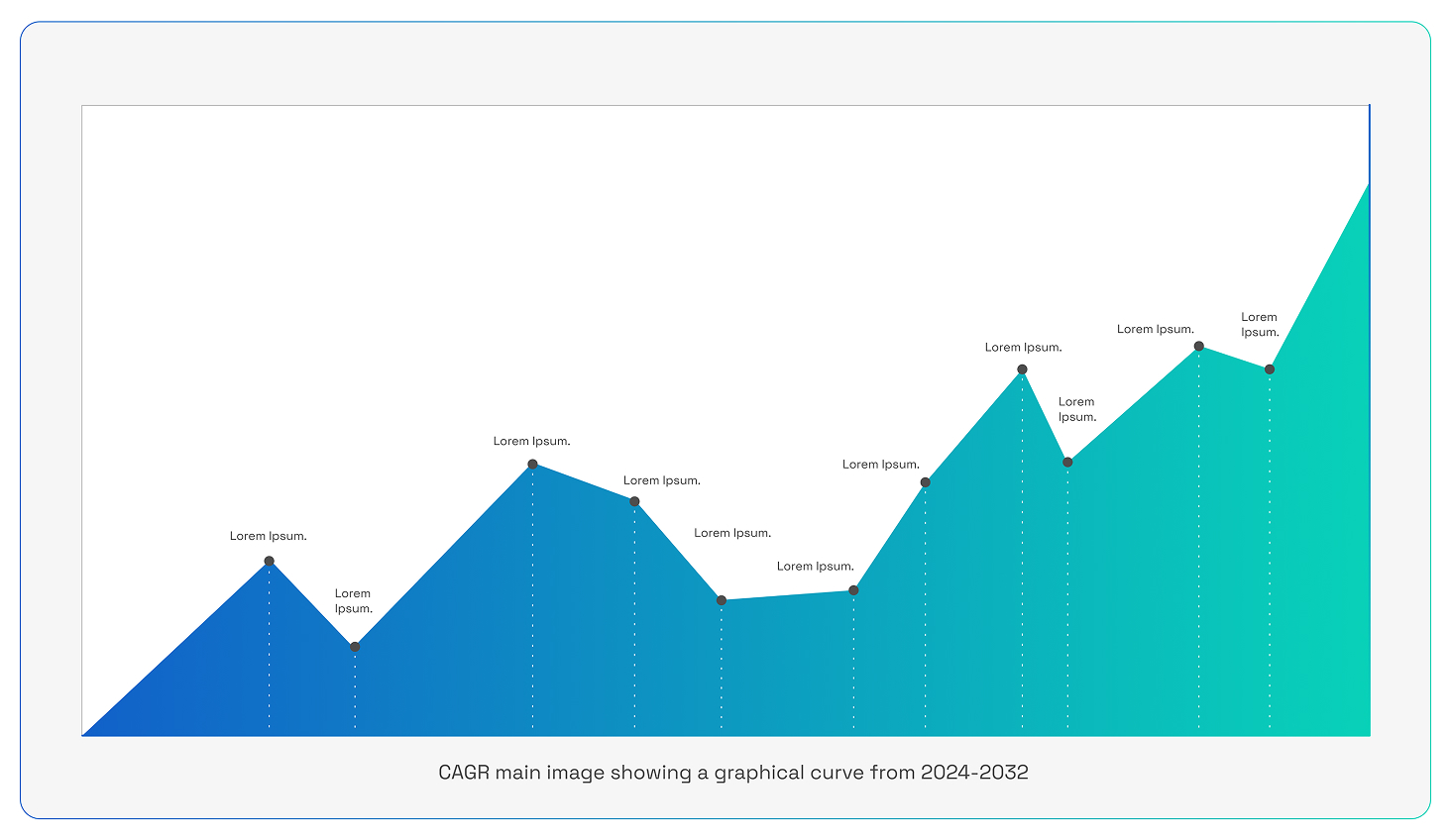
A1: The global hydrogen generation market is expected to grow at a CAGR of 11.0% from 2025 to 2035, fueled by industrial and energy applications.
A2: Refining, ammonia production, and chemical processing are driving the most growth within the hydrogen generation market.
A3: The key players in Hydrogen Generation Market are – Air Products, Linde, Air Liquide, Siemens Energy, and Plug Power.
A4: Production costs, infrastructure, and regulatory issues impede hydrogen generation market adoption.
A5: Hydrogen generation market growth is strongest in Asia-Pacific fueled by industrial demand and renewable hydrogen projects.
A6: Hydrogen generation market verticals are refineries, chemical production, fuel cells, industrial applications, and energy storage.
GET A FREE SAMPLE
This FREE sample includes market data points, ranging from trend analyses to market estimates & forecasts. See for yourself.
NEED A CUSTOM REPORT?
We can customize every report including purchasing stand-alone sections or country-level reports, as well as <b> offer affordable discounts for start-ups & universities.</b>
Share this report:
Seize Tomorrow's Opportunities Today: Access the Full Report
Our Top Selling Reports
- •Water-Soluble Vitamin & Mineral Feed Supplements Market
- •Pyridine & Pyridine Derivatives Market
- •Nutraceutical Ingredients Market
- •Functional Food Ingredients Market
- •Water-Soluble Vitamin & Mineral Feed Supplements Market
- •Pyridine & Pyridine Derivatives Market
- •Nutraceutical Ingredients Market
- •Functional Food Ingredients Market
Personalize This Report
- •Triangulate with your Own Data
- •Get Data as per your Format and Definition
- •Gain a Deeper Dive on a Specific Application, Geography, Customer or Competitor
- •Any level of Personalization
Let Us Help You
- •What are the Known and Unknown Adjacencies Impacting the Digital Health Market
- •What will your New Revenue Sources be?
- •Who will be your Top Customer; what will make them switch?
- •Defend your Market Share or Win Competitors
- •Customized Workshop Request