
Autoinjectors Market 2025-2035: Strategic Growth Drivers and Market Overview
GET A FREE SAMPLE
NEED A CUSTOM REPORT?
We can customize every report including purchasing stand-alone sections or country-level reports, as well as <b> offer affordable discounts for start-ups & universities.</b>
Share this report:




Introduction
Key Report Highlights
Dominant Segments
Competitive Intelligence
Strategic Insights
Regional Dynamics
Advancing Self-Administration: Why Our Global Autoinjector Market Report is Essential for Modern Drug Delivery
The global autoinjector market is transforming the way patients administer medications, offering safe, convenient, and user-friendly drug delivery solutions. Autoinjectors are designed for self-administration of drugs, particularly for chronic conditions such as diabetes, rheumatoid arthritis, and anaphylaxis. With rising demand for home-based care, increasing prevalence of chronic diseases, and technological advancements, the market is experiencing strong growth. Our report provides comprehensive insights into market dynamics, segmentation, growth drivers, and emerging trends shaping the future of injectable therapies.
1. By Type: Disposable Autoinjectors (Dominant Segment)
The disposable autoinjectors segment holds the largest market share.
Why it dominates:
- Ease of use and convenience
- No need for maintenance or refilling
- Reduced risk of contamination
- Widely used for emergency treatments
Other key type:
- Reusable autoinjectors
2. By Therapy Area: Anaphylaxis (Dominant Segment)
Anaphylaxis treatment leads the market.
Reasons:
- Critical need for immediate drug administration
- High adoption of epinephrine autoinjectors
- Growing prevalence of severe allergies
- Government awareness programs
Other key therapy areas:
- Diabetes
- Rheumatoid arthritis
- Multiple sclerosis
3. By Route of Administration: Subcutaneous (Dominant Segment)
Subcutaneous injection dominates usage.
Why:
- Less painful and easy to administer
- Suitable for self-injection
- Widely used for chronic disease management
- Better patient compliance
4. By End-User: Home Care Settings (Dominant Segment)
Home care is the largest end-user segment.
Why:
- Growing preference for self-administration
- Reduced hospital visits and healthcare costs
- Convenience and comfort for patients
- Rise in chronic disease cases
Other key end-users:
- Hospitals & clinics
- Ambulatory surgical centers
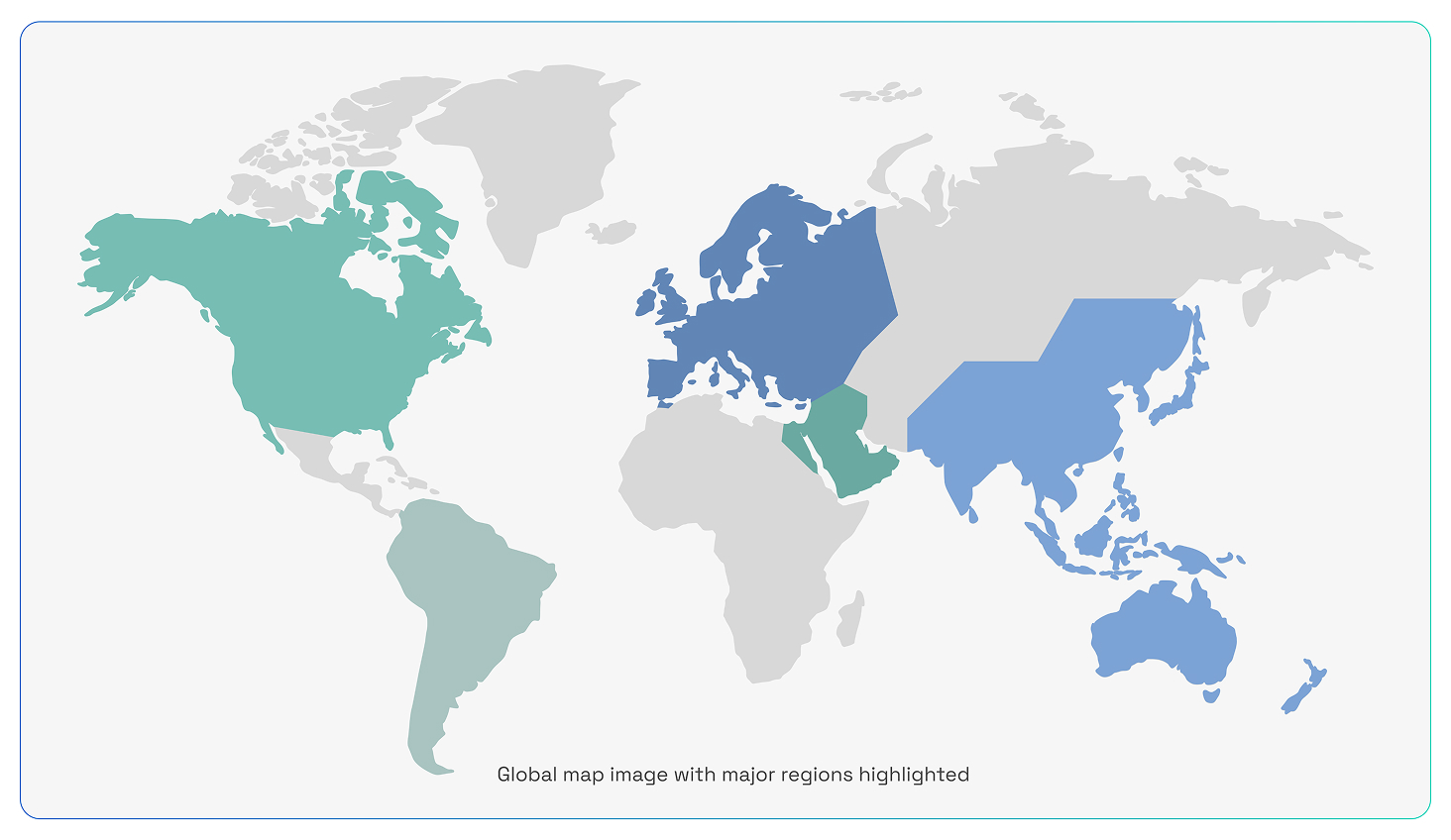
5. By Geography: North America (Dominant Region)
North America holds the largest market share.
Key factors:
- High adoption of advanced drug delivery devices
- Strong presence of key market players
- Rising prevalence of chronic diseases
- Favorable reimbursement policies
Fastest-growing region:
- Asia-Pacific (India, China, Japan, South Korea)
Drivers: What is fueling market growth?
- Rising demand for self-administration devices
- Increasing prevalence of chronic diseases
- Technological advancements in drug delivery
- Growth in biologics and injectable therapies
- Shift toward home healthcare
Restraints (R) – What is limiting growth?
- High device costs
- Risk of needle-related injuries
- Regulatory challenges
- Limited awareness in developing regions
Opportunities (O) – Where is future growth coming from?
- Development of smart autoinjectors
- Expansion in emerging markets
- Integration with digital health technologies
- Growing demand for biologics
Trends (T) – What is shaping the future?
- Connected and Bluetooth-enabled autoinjectors
- Patient-centric device design
- Increasing use of wearable injectors
- Focus on safety and ease of use
Methodology
We use a stepwise research approach combining secondary research, primary validation, and data triangulation to estimate market size and forecast growth.
| Step | What we do |
|---|---|
| 1. Secondary research | Review public sources (company disclosures, industry publications, and credible datasets) to map the market and build baseline assumptions. |
| 2. Primary inputs | Validate assumptions through expert inputs (manufacturers, technology providers, and domain specialists). |
| 3. Sizing & forecasting | Apply structured sizing methods and forecast models using adoption trends, segment mix, and regional demand patterns. |
| 4. Triangulation | Cross-check estimates across multiple methods and sources to ensure consistency and reduce bias. |
Brief of the Autoinjector Market
How autoinjectors are transforming self-administration of drugs, enhancing patient safety, and improving treatment adherence
💉 Key Applications
- Emergency Medication Delivery (e.g., Epinephrine)
- Chronic Disease Management (e.g., Diabetes, Rheumatoid Arthritis)
- Biologics & Vaccines Administration
- Hormone & Allergy Therapies
- Oncology & Specialty Drug Delivery
📈 Business Benefits
- Improved patient compliance and adherence
- Safe and convenient self-administration
- Reduced risk of dosing errors and needle-stick injuries
- Support for home-based and remote treatments
- Enhanced patient experience and satisfaction
Core Technologies
- Prefilled and Disposable Autoinjectors
- Smart & Connected Injection Devices
- Pen-Style Autoinjectors
- Safety Mechanisms & Needle Shielding
- Digital Monitoring & Dose Tracking Solutions
Market Scope & Analysis
1. By Type
- Disposable Autoinjectors
- Reusable Autoinjectors
2. By Therapy Area
- Anaphylaxis
- Diabetes
- Rheumatoid Arthritis
- Multiple Sclerosis
3. By Route of Administration
- Subcutaneous
- Intramuscular
4. By End-User
- Home Care Settings
- Hospitals & Clinics
- Ambulatory Surgical Centers
5. By Geography
- North America
- Europe
- Asia-Pacific
- Latin America
- Middle East & Africa
- West Pharmaceutical Services
- BD (Becton Dickinson)
- Ypsomed
- SHL Group
- Owen Mumford
- North America
- Europe
- Asia-Pacific
- Latin America
- Middle East
- Africa
- United States
- Canada
- Germany
- United Kingdom
- France
- China
- India
- Japan
- South Korea
- Australia
- Brazil
- Mexico
- United Arab Emirates
- Saudi Arabia
Recent Developments
Recent Developments
January 2024: In order to enhance self-administration experiences in European markets and fortify competitive positioning, Ypsomed and Tecnimede Group established a strategic agreement in January 2024 to jointly develop customized autoinjector solutions for Tecnimede's forthcoming biosimilar treatments.
Apr 2025: In order to improve patient engagement and treatment adherence, Ypsomed and Sidekick Health developed a joint digital health solution for managing obesity by combining Ypsomed's autoinjectors with Sidekick's chronic condition support app.
Frequently Asked Questions
A1: Autoinjectors Market expects a CAGR of 13.7% from 2025 to 2035.
A2: The Autoinjectors Market is primarily driven by applications in self-administration of biologics and vaccines, emergency treatment of anaphylaxis, insulin delivery for diabetes, and therapies for chronic diseases like rheumatoid arthritis and multiple sclerosis.
A3: Key players in the Autoinjectors Market include Owen Mumford, SHL Group, Ypsomed Holding AG, West Pharmaceutical Services, Catalent, Inc., BD (Becton, Dickinson and Company), Gerresheimer AG, Sanofi (Autogel / GoodLife), and Medtronic — leading developers and manufacturers of autoinjector devices and related delivery systems.
A4: Autoinjectors adoption challenges include - high manufacturing costs, patient training requirements, device usability issues, regulatory approvals, and limited acceptance by healthcare providers.
A5: Asia‑Pacific is expected to see the fastest growth in the Autoinjectors Market, driven by rising healthcare spending, increasing chronic disease prevalence, and growing awareness and adoption of advanced drug‑delivery devices in countries like China, India, and Japan.
A6: Autoinjectors verticals include hospitals, clinics, home care, and patients using disposable or reusable autoinjectors for chronic diseases and emergency treatments.
GET A FREE SAMPLE
This FREE sample includes market data points, ranging from trend analyses to market estimates & forecasts. See for yourself.
NEED A CUSTOM REPORT?
We can customize every report including purchasing stand-alone sections or country-level reports, as well as <b> offer affordable discounts for start-ups & universities.</b>
Share this report:
Seize Tomorrow's Opportunities Today: Access the Full Report
Our Top Selling Reports
- •Water-Soluble Vitamin & Mineral Feed Supplements Market
- •Pyridine & Pyridine Derivatives Market
- •Nutraceutical Ingredients Market
- •Functional Food Ingredients Market
- •Water-Soluble Vitamin & Mineral Feed Supplements Market
- •Pyridine & Pyridine Derivatives Market
- •Nutraceutical Ingredients Market
- •Functional Food Ingredients Market
Personalize This Report
- •Triangulate with your Own Data
- •Get Data as per your Format and Definition
- •Gain a Deeper Dive on a Specific Application, Geography, Customer or Competitor
- •Any level of Personalization
Let Us Help You
- •What are the Known and Unknown Adjacencies Impacting the Digital Health Market
- •What will your New Revenue Sources be?
- •Who will be your Top Customer; what will make them switch?
- •Defend your Market Share or Win Competitors
- •Customized Workshop Request