
Aircraft Leasing Market 2025–2035: Growth Drivers, Challenges, and Forecasts
GET A FREE SAMPLE
NEED A CUSTOM REPORT?
We can customize every report including purchasing stand-alone sections or country-level reports, as well as <b> offer affordable discounts for start-ups & universities.</b>
Share this report:




Introduction
Key Report Highlights
Dominant Segments
Competitive Intelligence
Strategic Insights
Regional Dynamics
Rising Air Travel Demand, Airline Fleet Expansion & Capital Efficiency Needs: Why Our Aircraft Leasing Market Report is Essential for Global Aviation Growth
The global aircraft leasing market is witnessing strong expansion, driven by increasing air passenger traffic, rising demand for cost-efficient fleet management, and growing preference of airlines to avoid high capital expenditure on aircraft purchases. Aircraft leasing allows airlines to use aircraft without owning them, providing flexibility, liquidity, and operational efficiency.
As airline networks expand globally, leasing companies play a crucial role in supplying modern, fuel-efficient aircraft to carriers. The market is further supported by fleet renewal programs, growing low-cost carrier operations, and increasing demand for narrow-body aircraft in short- and medium-haul routes.
1. By Lease Type: Operating Lease (Dominant Segment)
Operating lease holds the largest share in the market.
Why it dominates:
- Lower financial burden for airlines
- Flexibility to upgrade or return aircraft
- No long-term ownership risks
- Widely preferred by low-cost carriers
2. By Lease Type: Finance Lease
Finance lease is used for long-term aircraft acquisition.
Why:
- Provides ownership benefits after lease term
- Suitable for stable and established airlines
- Long-term cost predictability
- Used for fleet expansion strategies
3. By Aircraft Type: Narrow-Body Aircraft (Dominant Segment)
Narrow-body aircraft dominate leasing demand.
Why:
- High demand for short- and medium-haul routes
- Fuel-efficient and cost-effective operations
- Widely used by low-cost carriers
- Strong global production and availability
4. By End User: Commercial Airlines (Dominant Segment)
Commercial airlines are the primary users of aircraft leasing.
Why:
- Need for fleet flexibility and scalability
- Rising passenger traffic globally
- Preference for asset-light business models
- Continuous fleet modernization requirements
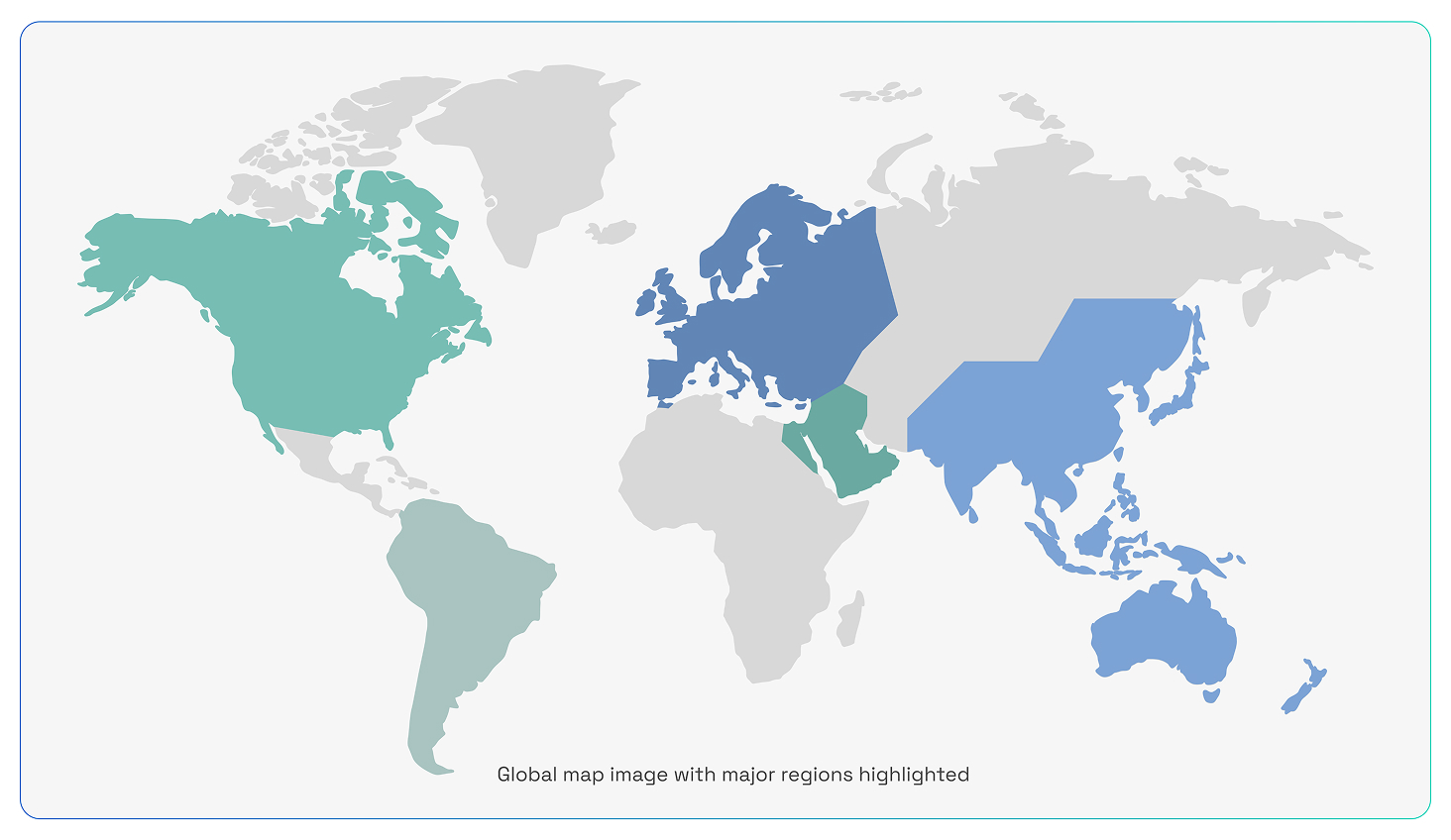
5. By Geography: Asia-Pacific (Dominant Region)
Asia-Pacific leads the aircraft leasing market.
Key factors:
- Rapid growth in air passenger traffic
- Expansion of low-cost carriers
- Increasing airline fleet modernization programs
- Strong demand for regional connectivity
Fastest-growing region:
- Middle East
Drivers: What is fueling market growth?
- Rising global air travel demand
- Cost advantages of leasing over purchasing aircraft
- Expansion of low-cost carrier business models
- Need for fleet modernization and fuel efficiency
- Growth in aviation financing and leasing services
Restraints (R) – What is limiting growth?
- High dependency on airline financial stability
- Volatility in interest rates and financing costs
- Aircraft residual value risks
- Regulatory and geopolitical uncertainties
Opportunities (O) – Where is future growth coming from?
- Expansion of emerging market aviation sectors
- Growing demand for next-generation fuel-efficient aircraft
- Rise of cargo and freight aviation leasing
- Digitalization of leasing and asset management
Trends (T) – What is shaping the future?
- Shift toward newer, fuel-efficient aircraft leasing
- Increasing role of aircraft leasing companies in fleet planning
- Growth of sale-and-leaseback transactions
- Expansion of global leasing portfolios
Methodology
We use a stepwise research approach combining secondary research, primary validation, and data triangulation to estimate market size and forecast growth.
| Step | What we do |
|---|---|
| 1. Secondary research | Review public sources (company disclosures, industry publications, and credible datasets) to map the market and build baseline assumptions. |
| 2. Primary inputs | Validate assumptions through expert inputs (manufacturers, technology providers, and domain specialists). |
| 3. Sizing & forecasting | Apply structured sizing methods and forecast models using adoption trends, segment mix, and regional demand patterns. |
| 4. Triangulation | Cross-check estimates across multiple methods and sources to ensure consistency and reduce bias. |
Outlook of the Aircraft Leasing Market
How Aircraft Leasing Supports Airlines with Flexible Fleet Management and Cost Optimization
✈️ Key Applications
- Short-Term and Long-Term Aircraft Leasing
- Fleet Modernization
- Operating Leases & Finance Leases
- Regional and International Airlines
- Private and Charter Aircraft Leasing
📈 Business Benefits
- Reduced Capital Expenditure for Airlines
- Flexible Fleet Management
- Access to Modern Aircraft Technology
- Risk Management and Operational Efficiency
- Revenue Optimization through Fleet Utilization
Core Technologies
- Aircraft Asset Management Software
- Leasing Contracts & Financial Modeling
- Maintenance & Technical Support Services
- Fleet Tracking & Lifecycle Management
- Aircraft Valuation & Resale Platforms
Market Scope & Analysis
1. By Lease Type
- Operating Lease
- Finance Lease
2. By Aircraft Type
- Narrow-Body Aircraft
- Wide-Body Aircraft
- Regional Jets
- Freighter Aircraft
3. By Lease Term
- Short-Term Lease
- Medium-Term Lease
- Long-Term Lease
4. By End User
- Commercial Airlines
- Cargo Operators
- Government & Defense
5. By Geography
- Asia-Pacific
- North America
- Europe
- Middle East & Africa
- Latin America
- AerCap
- SMBC
- Air Lease Corporation
- Avolon
- BOC Aviation
- North America
- Europe
- Asia-Pacific
- Latin America
- Middle East
- Africa
- United States
- Canada
- Germany
- United Kingdom
- France
- China
- India
- Japan
- South Korea
- Australia
- Brazil
- Mexico
- United Arab Emirates
- Saudi Arabia
Recent Developments
Recent Developments
July 2025: a major aircraft lessor announced a fleet expansion program focused on next‑generation fuel‑efficient aircraft to support airline decarbonization plans.
November 2024: an aviation investment firm acquired a controlling stake in a leading aircraft leasing company, strengthening its global presence.
FAQ
A1: The global aircraft leasing market is expected to grow at a CAGR of 7.0% between 2025 and 2035, fueled by airline fleet expansions.
A2: Fleet expansion, airline leasing, and cargo aviation are driving the most growth within the aircraft leasing market.
A3: The key players in Aircraft Leasing Market are – AerCap, SMBC Aviation Capital, Air Lease Corporation, Avolon, and BOC Aviation.
A4: Financial risks, regulatory compliance, and market volatility challenge aircraft leasing market adoption.
A5: The aircraft leasing market is expected to see the fastest growth in Asia-Pacific due to expanding airlines and rising air travel demand.
A6: Aircraft leasing market verticals are commercial airlines, cargo operators, charter services, regional carriers, and corporate jets.
GET A FREE SAMPLE
This FREE sample includes market data points, ranging from trend analyses to market estimates & forecasts. See for yourself.
NEED A CUSTOM REPORT?
We can customize every report including purchasing stand-alone sections or country-level reports, as well as <b> offer affordable discounts for start-ups & universities.</b>
Share this report:
Seize Tomorrow's Opportunities Today: Access the Full Report
Our Top Selling Reports
- •Water-Soluble Vitamin & Mineral Feed Supplements Market
- •Pyridine & Pyridine Derivatives Market
- •Nutraceutical Ingredients Market
- •Functional Food Ingredients Market
- •Water-Soluble Vitamin & Mineral Feed Supplements Market
- •Pyridine & Pyridine Derivatives Market
- •Nutraceutical Ingredients Market
- •Functional Food Ingredients Market
Personalize This Report
- •Triangulate with your Own Data
- •Get Data as per your Format and Definition
- •Gain a Deeper Dive on a Specific Application, Geography, Customer or Competitor
- •Any level of Personalization
Let Us Help You
- •What are the Known and Unknown Adjacencies Impacting the Digital Health Market
- •What will your New Revenue Sources be?
- •Who will be your Top Customer; what will make them switch?
- •Defend your Market Share or Win Competitors
- •Customized Workshop Request