
Biosensors Market 2025–2035: Strategic Opportunities and Risk Assessment
GET A FREE SAMPLE
NEED A CUSTOM REPORT?
We can customize every report including purchasing stand-alone sections or country-level reports, as well as <b> offer affordable discounts for start-ups & universities.</b>
Share this report:




Introduction
Key Report Highlights
Dominant Segments
Competitive Intelligence
Strategic Insights
Regional Dynamics
Powering Next-Gen Diagnostics: Why Our Global Biosensors Market Report is Essential for Modern Healthcare and Industry
The global biosensors market is witnessing rapid growth driven by rising demand for point-of-care diagnostics, increasing prevalence of chronic diseases, and advancements in wearable health monitoring technologies. Biosensors are analytical devices that combine a biological component with a physicochemical detector to identify and measure biological substances. They are widely used in medical diagnostics, environmental monitoring, food safety, and biotechnology applications. With the rise of personalized healthcare and real-time monitoring, biosensors are becoming a key pillar of modern diagnostic systems.
1. By Product Type: Wearable Biosensors (Dominant Segment)
The wearable biosensors segment holds the largest market share.
Why it dominates:
- Growing demand for continuous health monitoring
- Integration with smartphones and smart devices
- Rising adoption in diabetes and cardiac monitoring
- Convenience and non-invasive tracking
2. By Technology: Electrochemical Biosensors (Dominant Segment)
Electrochemical biosensors lead the market.
Reasons:
- High sensitivity and accuracy
- Low cost and easy miniaturization
- Widely used in glucose monitoring devices
- Fast response time for real-time analysis
3. By Application: Medical Diagnostics (Dominant Segment)
Medical diagnostics is the largest application area.
Why:
- Rising burden of chronic diseases
- Need for rapid and accurate disease detection
- Expansion of point-of-care testing
- Increasing adoption of home healthcare devices
4. By End-User: Hospitals & Diagnostic Centers (Dominant Segment)
Hospitals and diagnostic centers dominate adoption.
Why:
- High patient testing volumes
- Availability of advanced diagnostic infrastructure
- Growing use of rapid testing devices
- Integration with clinical workflows
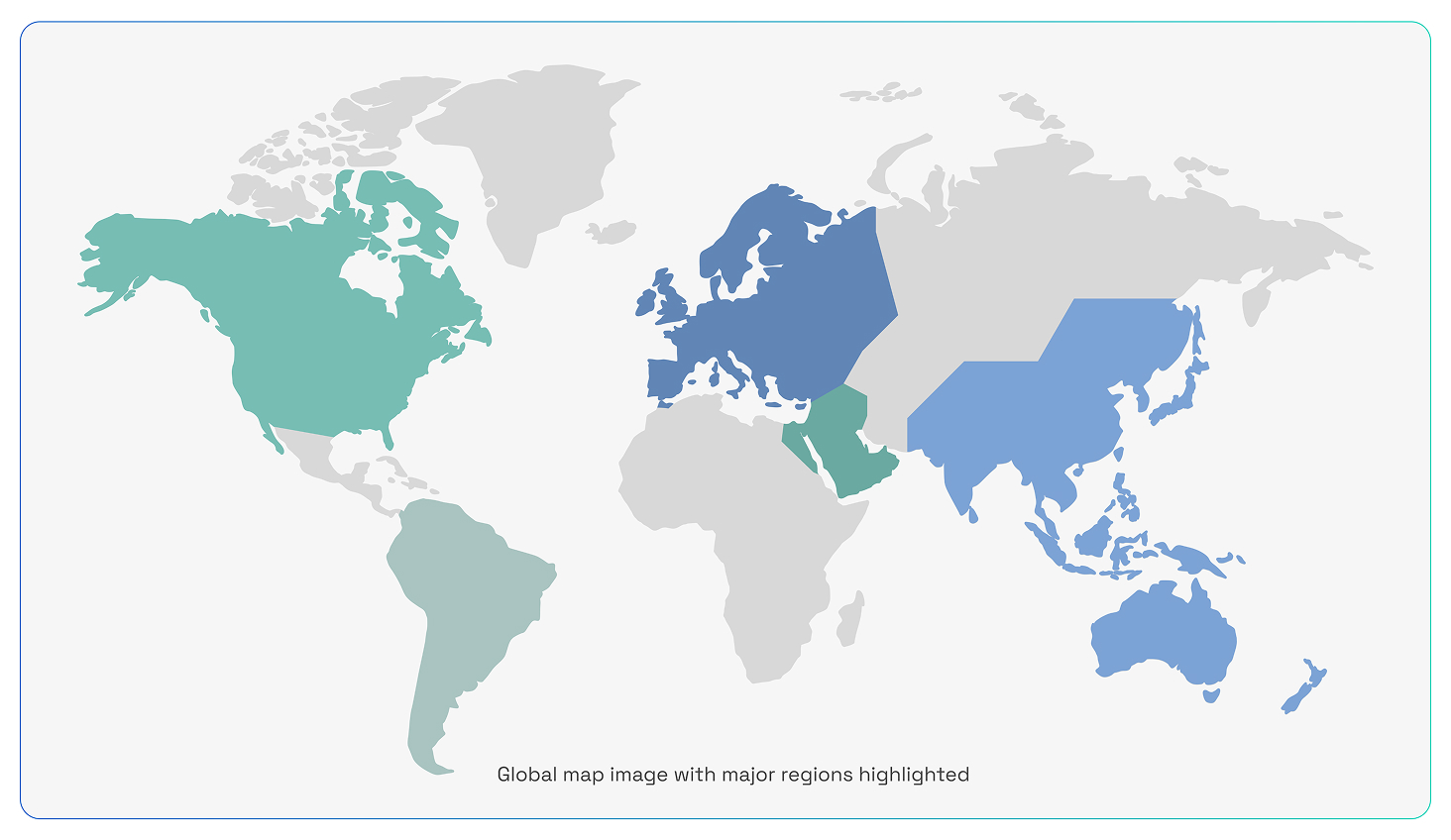
5. By Geography: North America (Dominant Region)
North America holds the largest market share.
Key factors:
- Strong healthcare infrastructure
- High adoption of wearable health technologies
- Presence of major biosensor manufacturers
- Rising focus on preventive healthcare
Fastest-growing region:
- Asia-Pacific (India, China, Japan, South Korea)
Drivers: What is fueling market growth?
- Increasing demand for point-of-care diagnostics
- Growth in wearable healthcare devices
- Rising prevalence of chronic diseases
- Advancements in nanotechnology and biotechnology
- Shift toward personalized medicine
Restraints (R) – What is limiting growth?
- High development and production costs
- Regulatory approval challenges
- Limited awareness in developing regions
- Accuracy and calibration issues in some devices
Opportunities (O) – Where is future growth coming from?
- Expansion of wearable and implantable biosensors
- Growth in home-based healthcare monitoring
- Integration with AI and IoT platforms
- Emerging applications in food and environmental testing
Trends (T) – What is shaping the future?
- Miniaturization of biosensor devices
- Smart connected health monitoring systems
- Non-invasive glucose and biomarker monitoring
- Advanced nanomaterial-based sensors
Methodology
We use a stepwise research approach combining secondary research, primary validation, and data triangulation to estimate market size and forecast growth.
| Step | What we do |
|---|---|
| 1. Secondary research | Review public sources (company disclosures, industry publications, and credible datasets) to map the market and build baseline assumptions. |
| 2. Primary inputs | Validate assumptions through expert inputs (manufacturers, technology providers, and domain specialists). |
| 3. Sizing & forecasting | Apply structured sizing methods and forecast models using adoption trends, segment mix, and regional demand patterns. |
| 4. Triangulation | Cross-check estimates across multiple methods and sources to ensure consistency and reduce bias. |
Overview of the Biosensors Market
How biosensors are enabling rapid, accurate, and real-time detection in healthcare, environmental monitoring, and industrial applications
🧬 Key Applications
- Medical Diagnostics & Point-of-Care Testing
- Glucose Monitoring & Diabetes Management
- Environmental & Water Quality Monitoring
- Food Safety & Pathogen Detection
- Industrial Process & Bioprocess Monitoring
📈 Business Benefits
- Rapid and accurate detection of biological analytes
- Improved patient monitoring and healthcare outcomes
- Enhanced safety and compliance in food and environment
- Reduced operational costs through real-time monitoring
- Support for innovative diagnostics and wearable technologies
Core Technologies
- Electrochemical & Optical Biosensors
- Wearable & Implantable Sensor Platforms
- Nano-biosensors & Microfluidic Devices
- Lab-on-a-Chip & Point-of-Care Systems
- Data Analytics & AI-Driven Signal Processing
Market Scope & Analysis
1. By Product Type
- Wearable Biosensors
- Non-Wearable Biosensors
- Implantable Biosensors
2. By Technology
- Electrochemical
- Optical
- Thermal
- Piezoelectric
3. By Application
- Medical Diagnostics
- Food Safety
- Environmental Monitoring
- Agriculture
4. By End-User
- Hospitals & Diagnostic Centers
- Research Institutes
- Home Healthcare
- Food & Beverage Industry
5. By Geography
- North America
- Europe
- Asia-Pacific
- Latin America
- Middle East & Africa
- Abbott Laboratories
- Roche Diagnostics
- Siemens Healthineers
- Honeywell
- STMicroelectronics
- North America
- Europe
- Asia-Pacific
- Latin America
- Middle East
- Africa
- United States
- Canada
- Germany
- United Kingdom
- France
- China
- India
- Japan
- South Korea
- Australia
- Brazil
- Mexico
- United Arab Emirates
- Saudi Arabia
Recent Developments
Recent Developments
March 2024: Abbott Laboratories marked a major product extension in real-time patient monitoring solutions with the debut of the new FreeStyle Libre Pro Glucose Sensing System, a non-invasive continuous glucose monitoring biosensor intended for clinical settings.
Frequently Asked Questions
A1: Biosensor Market expects a CAGR of 9.4% from 2025 to 2035.
A2: The Biosensor Market is primarily driven by applications in glucose monitoring, point-of-care diagnostics, wearable health devices, environmental monitoring, and food safety testing.
A3: Key players in the Biosensor Market include Abbott Laboratories, Siemens Healthineers, Roche Diagnostics, Medtronic, Thermo Fisher Scientific, Danaher Corporation (Beckman Coulter), Bio‑Rad Laboratories, Senseonics, and Dexcom — leading providers of biosensing technologies for healthcare, diagnostics, wearable monitoring, and point‑of‑care applications.
A4: Challenges in adoption of biosensors are high development and manufacturing costs, data accuracy and reliability issues, calibration difficulties, regulatory compliance, and integration with healthcare systems.
A5: The Biosensor Market is expected to grow fastest in Asia‑Pacific, fueled by increasing demand for point‑of‑care diagnostics, rising healthcare expenditures, and rapid adoption of advanced biosensor technologies in countries such as China, India, and Japan.
A6: Biosensor Market verticals include healthcare, environmental monitoring, food safety, and industrial sectors using electrochemical, optical, and thermal biosensors for detection and measurement.
GET A FREE SAMPLE
This FREE sample includes market data points, ranging from trend analyses to market estimates & forecasts. See for yourself.
NEED A CUSTOM REPORT?
We can customize every report including purchasing stand-alone sections or country-level reports, as well as <b> offer affordable discounts for start-ups & universities.</b>
Share this report:
Seize Tomorrow's Opportunities Today: Access the Full Report
Our Top Selling Reports
- •Water-Soluble Vitamin & Mineral Feed Supplements Market
- •Pyridine & Pyridine Derivatives Market
- •Nutraceutical Ingredients Market
- •Functional Food Ingredients Market
- •Water-Soluble Vitamin & Mineral Feed Supplements Market
- •Pyridine & Pyridine Derivatives Market
- •Nutraceutical Ingredients Market
- •Functional Food Ingredients Market
Personalize This Report
- •Triangulate with your Own Data
- •Get Data as per your Format and Definition
- •Gain a Deeper Dive on a Specific Application, Geography, Customer or Competitor
- •Any level of Personalization
Let Us Help You
- •What are the Known and Unknown Adjacencies Impacting the Digital Health Market
- •What will your New Revenue Sources be?
- •Who will be your Top Customer; what will make them switch?
- •Defend your Market Share or Win Competitors
- •Customized Workshop Request