
The Bra Market 2025–2035: Comfort Innovation, Fashion Trends, and Competitive Landscape
GET A FREE SAMPLE
NEED A CUSTOM REPORT?
We can customize every report including purchasing stand-alone sections or country-level reports, as well as <b> offer affordable discounts for start-ups & universities.</b>
Share this report:




Introduction
Key Report Highlights
Dominant Segments
Competitive Intelligence
Strategic Insights
Regional Dynamics
Growing Focus on Comfort, Style & Inclusivity: Why Our Bra Market Report is Essential for Global Apparel Growth
The global Bra market is a significant segment of the intimate apparel industry, driven by increasing demand for comfort, functionality, and fashion-forward designs. Bras are essential garments that provide support while also serving as a key fashion and lifestyle product. Changing consumer preferences, rising body positivity trends, and innovation in fabric and design are fueling steady market growth worldwide.
1. By Product Type: T-Shirt Bras (Dominant Segment)
T-shirt bras hold the largest market share globally.
Why it dominates:
- Seamless design suitable for everyday wear
- Provides comfort and smooth appearance under clothing
- Widely preferred across all age groups
- Available in various sizes and styles
2. By Material: Cotton (Dominant Segment)
Cotton bras lead the market.
Why:
- Breathable and skin-friendly fabric
- High comfort for daily use
- Suitable for all climates, especially warmer regions
- Preferred for sensitive skin
3. By Application: Everyday Wear (Dominant Segment)
Everyday wear dominates demand.
Why:
- Essential daily clothing item
- High replacement and repeat purchase rate
- Wide availability across price ranges
- Growing demand for comfort-focused designs
4. By Distribution Channel: Online Retail & Specialty Stores (Dominant Segment)
Online retail and specialty stores dominate distribution.
Why:
- Wide variety of sizes, styles, and brands
- Growing e-commerce adoption in apparel
- Personalized shopping experience and easy returns
- Availability of premium and niche brands
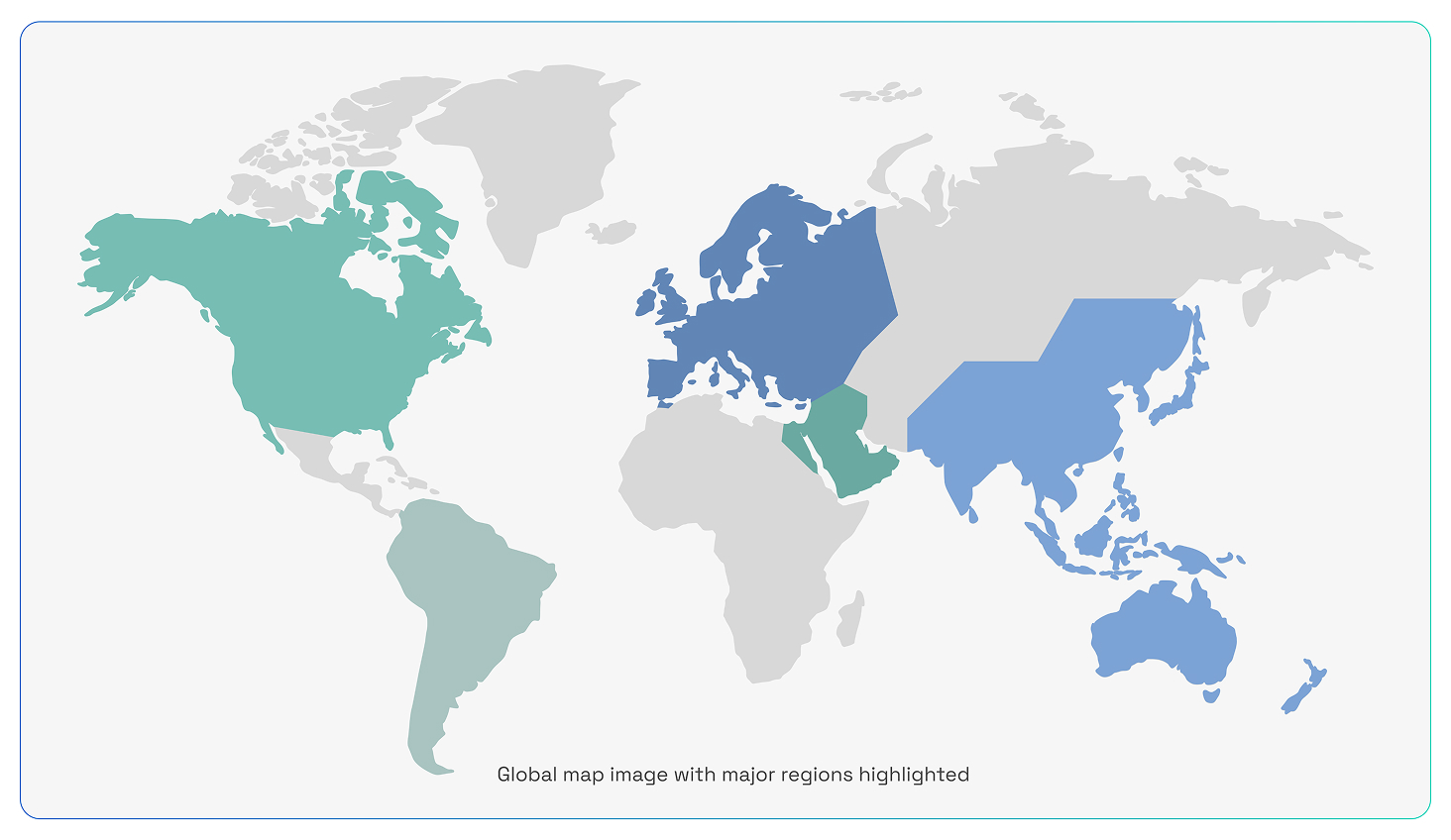
5. By Geography: Asia-Pacific (Dominant Region)
Asia-Pacific leads the global bra market.
Key factors:
- Large population and growing middle class
- Rising disposable income and fashion awareness
- Expansion of retail and e-commerce platforms
- Increasing demand for affordable and premium lingerie
Fastest-growing region:
- North America
Drivers: What is fueling market growth?
- Rising focus on comfort and functionality
- Growing body positivity and inclusivity trends
- Innovation in fabrics, sizes, and designs
- Expansion of e-commerce and direct-to-consumer brands
- Increasing fashion consciousness among consumers
Restraints (R) – What is limiting growth?
- Fit and sizing inconsistencies across brands
- Price sensitivity in developing markets
- Competition from alternative products like bralettes
- Limited awareness in rural areas
Opportunities (O) – Where is future growth coming from?
- Growth in plus-size and inclusive lingerie segments
- Expansion of sustainable and eco-friendly products
- Innovation in wireless and comfort-focused designs
- Rising demand for premium and luxury lingerie
Trends (T) – What is shaping the future?
- Shift toward wireless and seamless bras
- Growing popularity of bralettes and athleisure lingerie
- Increasing demand for sustainable materials
- Personalization and inclusive sizing innovations
Methodology
We use a stepwise research approach combining secondary research, primary validation, and data triangulation to estimate market size and forecast growth.
| Step | What we do |
|---|---|
| 1. Secondary research | Review public sources (company disclosures, industry publications, and credible datasets) to map the market and build baseline assumptions. |
| 2. Primary inputs | Validate assumptions through expert inputs (manufacturers, technology providers, and domain specialists). |
| 3. Sizing & forecasting | Apply structured sizing methods and forecast models using adoption trends, segment mix, and regional demand patterns. |
| 4. Triangulation | Cross-check estimates across multiple methods and sources to ensure consistency and reduce bias. |
Outlook of the Bra Market
How the Bra Market is Evolving with Fashion, Comfort, and Functional Innovation
👙 Key Applications
- Lingerie and Everyday Wear
- Sports and Activewear Bras
- Shapewear and Maternity Bras
- Luxury and Designer Collections
- Adaptive and Functional Bras
📈 Business Benefits
- Growing Fashion and Lifestyle Trends
- Premiumization and Brand Loyalty
- Innovation in Comfort and Fit
- Expansion in Sports and Functional Segments
- Global Retail and E-Commerce Opportunities
Core Technologies
- Textile Engineering and Stretch Fabrics
- Design and Ergonomic Innovation
- Seamless and 3D Knitting Techniques
- Quality Control and Fit Testing
- Automation in Production and Sizing
Market Scope & Analysis
1. By Product Type
- T-Shirt Bras
- Push-Up Bras
- Sports Bras
- Bralettes
2. By Material
- Cotton
- Nylon
- Lace
- Spandex
3. By Application
- Everyday Wear
- Sports
- Fashion & Occasion Wear
- Maternity Wear
4. By Distribution Channel
- Online Retail
- Specialty Stores
- Supermarkets & Hypermarkets
- Department Stores
5. By Geography
- Asia-Pacific
- North America
- Europe
- Latin America
- Middle East & Africa
- Fruit of the Loom (Berkshire Hathaway)
- L Brands
- Aerie
- Wacoal Holdings Corporation
- North America
- Europe
- Asia-Pacific
- Latin America
- Middle East
- Africa
- United States
- Canada
- Germany
- United Kingdom
- France
- China
- India
- Japan
- South Korea
- Australia
- Brazil
- Mexico
- United Arab Emirates
- Saudi Arabia
Recent Developments
Recent Developments
In 2025, various lingerie companies embraced AI-driven fit technologies and virtual sizing solutions to enhance the precision of bra fittings. Brands like ThirdLove expanded their Fit Finder® AI tool, leveraging machine learning and extensive body data to suggest bras that fit better, thereby decreasing returns and boosting customer satisfaction in online retail. This illustrates a wider trend toward personalized and technology-enhanced shopping experiences in the intimate apparel sector.
The market for bras saw a notable increase in inclusive and extended sizing options in 2025. In order to better serve underrepresented body shapes, brands like Universal Standard and Lane Bryant's Cacique established larger size ranges and adaptable fits.
Frequently Asked Questions
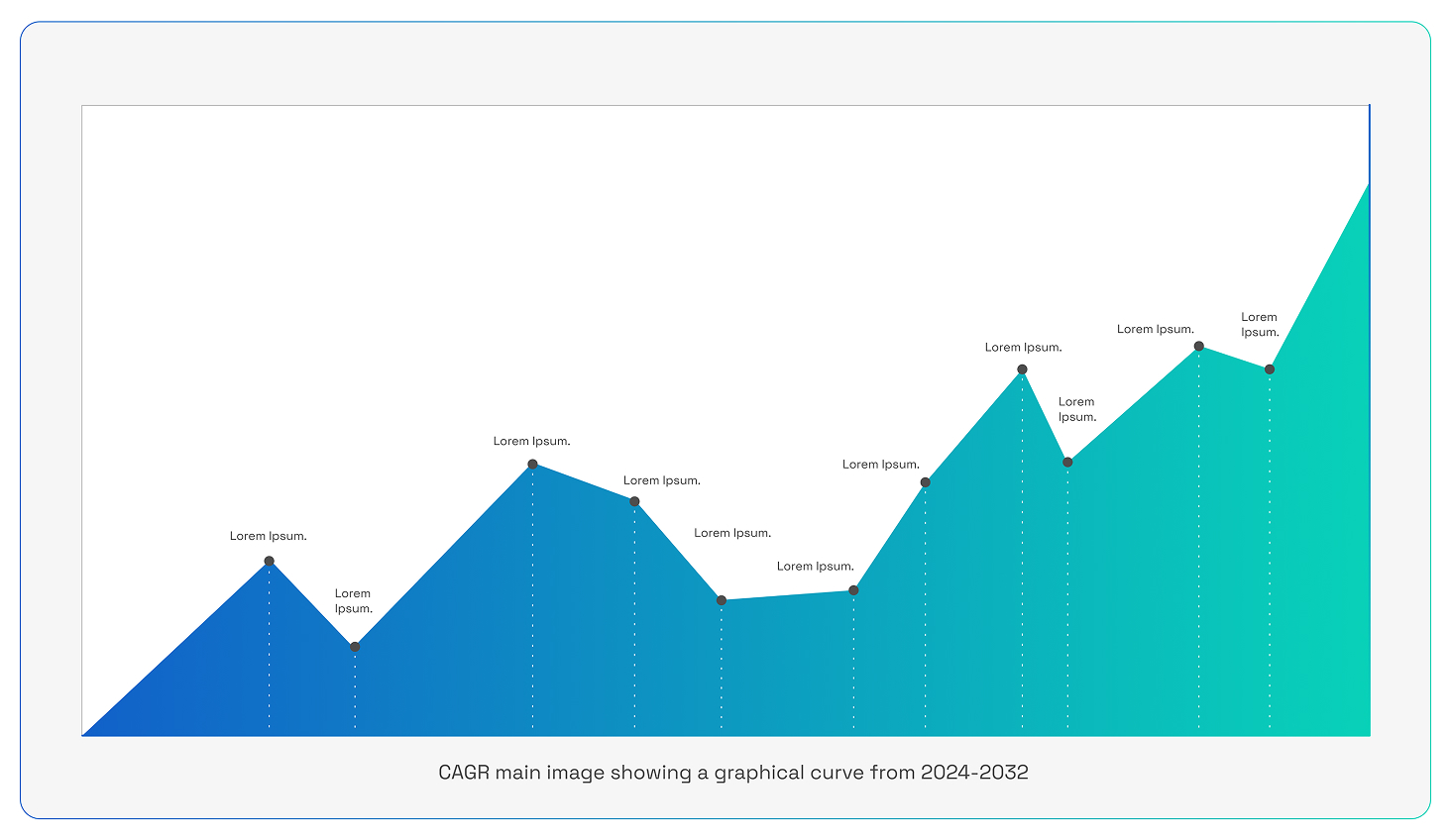
A1: Bra Market is anticipated to rise at a CAGR of 4.9% from 2025 to 2035.
A2: The Bra Market is primarily driven by applications in everyday and comfort bras, including T-shirt bras, wireless bras, and seamless designs, which cater to daily wear and lifestyle needs.
A3: Key players in the Bra Market include Victoria’s Secret, Calvin Klein (PVH Corp.), Hanesbrands Inc., Fruit of the Loom (Berkshire Hathaway), L Brands, Aerie, Wacoal Holdings Corporation, Spanx, ThirdLove, and Triumph International.
A4: Key challenges in the Bra Market include intense competition, high manufacturing and raw material costs, and shifting consumer preferences toward comfort and inclusive sizing. Additional hurdles are changing fashion trends, counterfeit products, and the need for innovation in design and fit, which can slow market growth and adoption.
A5: The Bra Market is expected to see the fastest growth in Asia-Pacific and North America, driven by rising disposable incomes, growing awareness of fashion and comfort, and increasing demand for diverse sizing and innovative designs.
A6: The main verticals in the Bra Market include retail apparel stores, online e-commerce platforms, lingerie and intimate wear brands, specialty fashion boutiques, and wholesale distributors, catering to diverse consumer needs for comfort, fashion, and functional undergarments.
GET A FREE SAMPLE
This FREE sample includes market data points, ranging from trend analyses to market estimates & forecasts. See for yourself.
NEED A CUSTOM REPORT?
We can customize every report including purchasing stand-alone sections or country-level reports, as well as <b> offer affordable discounts for start-ups & universities.</b>
Share this report:
Seize Tomorrow's Opportunities Today: Access the Full Report
Our Top Selling Reports
- •Water-Soluble Vitamin & Mineral Feed Supplements Market
- •Pyridine & Pyridine Derivatives Market
- •Nutraceutical Ingredients Market
- •Functional Food Ingredients Market
- •Water-Soluble Vitamin & Mineral Feed Supplements Market
- •Pyridine & Pyridine Derivatives Market
- •Nutraceutical Ingredients Market
- •Functional Food Ingredients Market
Personalize This Report
- •Triangulate with your Own Data
- •Get Data as per your Format and Definition
- •Gain a Deeper Dive on a Specific Application, Geography, Customer or Competitor
- •Any level of Personalization
Let Us Help You
- •What are the Known and Unknown Adjacencies Impacting the Digital Health Market
- •What will your New Revenue Sources be?
- •Who will be your Top Customer; what will make them switch?
- •Defend your Market Share or Win Competitors
- •Customized Workshop Request