
Hospital Information Systems Market 2025–2035: Key Segments, Trends, and Risk Analysis
GET A FREE SAMPLE
NEED A CUSTOM REPORT?
We can customize every report including purchasing stand-alone sections or country-level reports, as well as <b> offer affordable discounts for start-ups & universities.</b>
Share this report:




Introduction
Key Report Highlights
Dominant Segments
Competitive Intelligence
Strategic Insights
Regional Dynamics
Digitizing Healthcare Operations: Why Our Global Hospital Information Systems (HIS) Market Report is Essential for Modern Hospitals
The global Hospital Information Systems (HIS) market is transforming healthcare delivery by enabling efficient management of patient data, hospital workflows, billing systems, and clinical operations. As hospitals move toward digital transformation, HIS platforms play a critical role in improving operational efficiency, patient care quality, and data-driven decision-making. Our report provides deep insights into market trends, growth drivers, key segments, and future opportunities.
1. By Component: Software (Dominant Segment)
The software segment holds the largest market share.
Why it dominates:
- Core role in managing hospital operations and patient data
- High adoption of Electronic Health Records (EHR) systems
- Integration with clinical and administrative workflows
- Continuous software upgrades and innovation
Hospitals increasingly rely on HIS software to streamline operations and improve patient outcomes.
2. By Deployment Mode: Cloud-Based (Dominant)
The cloud-based deployment model leads the market.
Reasons:
- Easy access to patient data from multiple locations
- Scalability for large hospital networks
- Lower IT infrastructure costs
- Real-time data synchronization
Cloud HIS solutions support interoperability across healthcare systems.
3. By Organization Size: Large Hospitals (Dominant)
Large hospitals account for the highest adoption.
Why:
- High patient volume and complex workflows
- Strong investment capacity
- Need for integrated hospital management systems
- Regulatory compliance requirements
Growth insight:
Small and mid-sized hospitals are rapidly adopting HIS due to affordable cloud solutions.
4. By Application: Clinical Information Systems (Dominant Segment)
Clinical Information Systems (CIS) lead the market.
Why:
- Improved patient diagnosis and treatment planning
- Integration with EHR and lab systems
- Real-time clinical data access
Other key applications:
- Administrative Information Systems
- Financial Management Systems
- Radiology Information Systems (RIS)
- Pharmacy Information Systems
5. By End-User: Hospitals (Dominant Segment)
Hospitals represent the largest end-user segment.
Reasons:
- Need for centralized patient management
- High adoption of digital healthcare infrastructure
- Improved operational efficiency requirements
- Government digital health initiatives
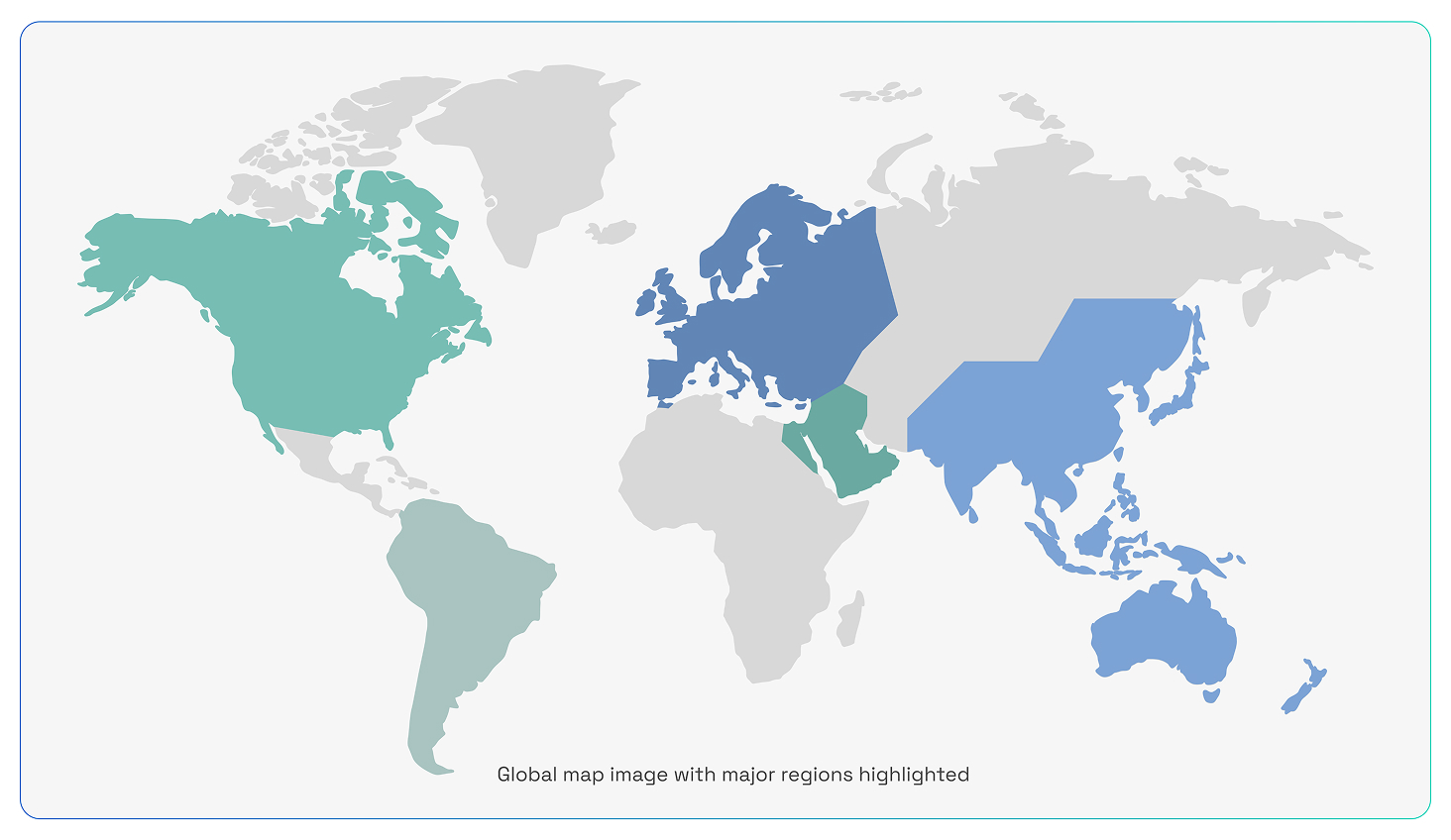
6. By Geography: North America (Dominant Region)
North America holds the largest market share.
Key factors:
- Advanced healthcare IT infrastructure
- Strong regulatory frameworks (HIPAA compliance)
- High adoption of EHR and digital hospital systems
- Presence of leading HIS vendors
Fastest-growing region:
- Asia-Pacific (India, China, Japan, South Korea)
Drivers: What is fueling market growth?
- Digital transformation in healthcare systems
- Rising need for efficient hospital management
- Increasing patient data volumes
- Government healthcare IT initiatives
- Integration of AI and analytics in healthcare
Restraints (R) – What is limiting growth?
- High implementation and maintenance costs
- Data security and privacy concerns
- Complex integration with legacy systems
- Lack of skilled IT healthcare professionals
Opportunities (O) – Where is future growth coming from?
- AI-powered hospital management systems
- Cloud-based HIS adoption in emerging markets
- Interoperability between healthcare systems
- Expansion of smart hospitals
Trends (T) – What is shaping the future?
- AI-driven clinical decision support systems
- Smart hospital ecosystems
- Interoperable healthcare data platforms
- Mobile-enabled hospital information systems
Methodology
We use a stepwise research approach combining secondary research, primary validation, and data triangulation to estimate market size and forecast growth.
| Step | What we do |
|---|---|
| 1. Secondary research | Review public sources (company disclosures, industry publications, and credible datasets) to map the market and build baseline assumptions. |
| 2. Primary inputs | Validate assumptions through expert inputs (manufacturers, technology providers, and domain specialists). |
| 3. Sizing & forecasting | Apply structured sizing methods and forecast models using adoption trends, segment mix, and regional demand patterns. |
| 4. Triangulation | Cross-check estimates across multiple methods and sources to ensure consistency and reduce bias. |
Snapshot of the Hospital Information Systems Market
How hospital information systems (HIS) are streamlining healthcare operations, patient management, and clinical decision-making
🏥 Key Applications
- Electronic Medical Records (EMR) Management
- Patient Scheduling & Admission
- Billing & Revenue Cycle Management
- Laboratory & Radiology Information Systems
- Pharmacy & Inventory Management
📈 Business Benefits
- Improved patient care and clinical outcomes
- Streamlined hospital workflows and operations
- Enhanced data accuracy and reporting
- Reduced administrative costs and errors
- Regulatory compliance and audit readiness
Core Technologies
- Electronic Health Records (EHR) Systems
- Cloud-Based HIS Platforms
- Telemedicine & Remote Patient Monitoring
- AI & Analytics for Clinical Decision Support
- Interoperability & Integration Solutions
Market Scope & Analysis
1. By Component
- Software
- Hardware
- Services
2. By Deployment Mode
- Cloud-Based
- On-Premises
3. By Organization Size
- Large Hospitals
- Small & Medium Hospitals
4. By Application
- Clinical Information Systems
- Administrative Information Systems
- Financial Management Systems
- Radiology Information Systems (RIS)
- Pharmacy Information Systems
5. By End-User
- Hospitals
- Clinics
- Ambulatory Care Centers
- Diagnostic Centers
6. By Geography
- North America
- Europe
- Asia-Pacific
- Latin America
- Middle East & Africa
- Epic Systems Corporation
- Oracle (including Cerner)
- McKesson Corp.
- Siemens Healthcare
- Allscripts
- GE Healthcare
- North America
- Europe
- Asia-Pacific
- Latin America
- Middle East
- Africa
- United States
- Canada
- Germany
- United Kingdom
- France
- China
- India
- Japan
- South Korea
- Australia
- Brazil
- Mexico
- United Arab Emirates
- Saudi Arabia
Recent Developments
Recent Developments
February,2025: Dedalus named AWS as its preferred cloud provider, expanding cloud‑based HIS services in Europe and beyond.
March, 2025: RLDatix completed acquisition of IPeople Healthcare to ensure seamless EHR access during system downtimes, improving data continuity and business resilience.
Frequently Asked Questions
A1: Hospital Information Systems Market expects a CAGR of 8.1% from 2025 to 2035.
A2: The Hospital Information Management System market is primarily driven by applications such as electronic health records management, patient scheduling, billing and revenue cycle management, clinical decision support, telemedicine, inventory management, and analytics.
A3: The key players in the Hospital Information Management System market include Cerner Corporation (now part of Oracle), Epic Systems Corporation, Allscripts Healthcare Solutions, McKesson Corporation, and Meditech.
A4: The main challenges hindering the adoption of Hospital Information Systems include high implementation and maintenance costs, integration issues with existing legacy systems, data privacy and cybersecurity concerns, resistance to change from medical staff, lack of technical expertise and training, interoperability challenges across different departments, and complex regulatory compliance requirements.
A5: The Hospital Information Management System market is expected to see the fastest growth in Asia-Pacific and Latin America due to rising healthcare infrastructure and digital adoption.
A6: Hospital Information Management System verticals include hospitals, clinics, and diagnostic centers using software, services, and hardware for patient, clinical, lab, radiology, pharmacy, and billing management.
GET A FREE SAMPLE
This FREE sample includes market data points, ranging from trend analyses to market estimates & forecasts. See for yourself.
NEED A CUSTOM REPORT?
We can customize every report including purchasing stand-alone sections or country-level reports, as well as <b> offer affordable discounts for start-ups & universities.</b>
Share this report:
Seize Tomorrow's Opportunities Today: Access the Full Report
Our Top Selling Reports
- •Water-Soluble Vitamin & Mineral Feed Supplements Market
- •Pyridine & Pyridine Derivatives Market
- •Nutraceutical Ingredients Market
- •Functional Food Ingredients Market
- •Water-Soluble Vitamin & Mineral Feed Supplements Market
- •Pyridine & Pyridine Derivatives Market
- •Nutraceutical Ingredients Market
- •Functional Food Ingredients Market
Personalize This Report
- •Triangulate with your Own Data
- •Get Data as per your Format and Definition
- •Gain a Deeper Dive on a Specific Application, Geography, Customer or Competitor
- •Any level of Personalization
Let Us Help You
- •What are the Known and Unknown Adjacencies Impacting the Digital Health Market
- •What will your New Revenue Sources be?
- •Who will be your Top Customer; what will make them switch?
- •Defend your Market Share or Win Competitors
- •Customized Workshop Request