
The Cosmetic Chemicals Market 2025–2035: Market Share, Expansion Strategies, and Risks
GET A FREE SAMPLE
NEED A CUSTOM REPORT?
We can customize every report including purchasing stand-alone sections or country-level reports, as well as <b> offer affordable discounts for start-ups & universities.</b>
Share this report:




Introduction
Key Report Highlights
Dominant Segments
Competitive Intelligence
Strategic Insights
Regional Dynamics
Enhancing Beauty & Personal Care Innovation: Why Our Global Cosmetic Chemicals Market Report is Essential for Modern Cosmetics Industry Growth
The global Cosmetic Chemicals market is a key segment of the specialty chemicals and personal care industry, driven by rising demand for skincare, haircare, makeup, and anti-aging products. Cosmetic chemicals include surfactants, emollients, preservatives, colorants, UV filters, and active ingredients used to formulate modern beauty and personal care products. With increasing consumer awareness of ingredient safety, demand for natural formulations, and growth in premium cosmetics, the market is experiencing strong global expansion.
1. By Type: Surfactants (Dominant Segment)
Surfactants hold the largest market share.
Why it dominates:
- Essential for cleansing and foaming functions
- Widely used in skincare and haircare products
- Improves texture and product performance
- High demand in mass-market cosmetics
2. By Ingredient Type: Emollients & Moisturizers (Dominant Segment)
Emollients and moisturizers are widely used.
Why:
- Improve skin hydration and softness
- Key in anti-aging formulations
- Rising demand for skincare routines
- Suitable for premium cosmetic products
3. By Application: Skincare (Dominant Segment)
Skincare leads the application segment.
Why:
- Growing focus on personal grooming
- Rising demand for anti-aging products
- High usage of active ingredients
- Expanding global beauty consciousness
4. By Function: Moisturizing Agents (Dominant Segment)
Moisturizing agents dominate usage.
Why:
- Improve skin hydration and protection
- Used in most skincare formulations
- Strong demand in dry and aging skin products
- Essential for daily-use cosmetics
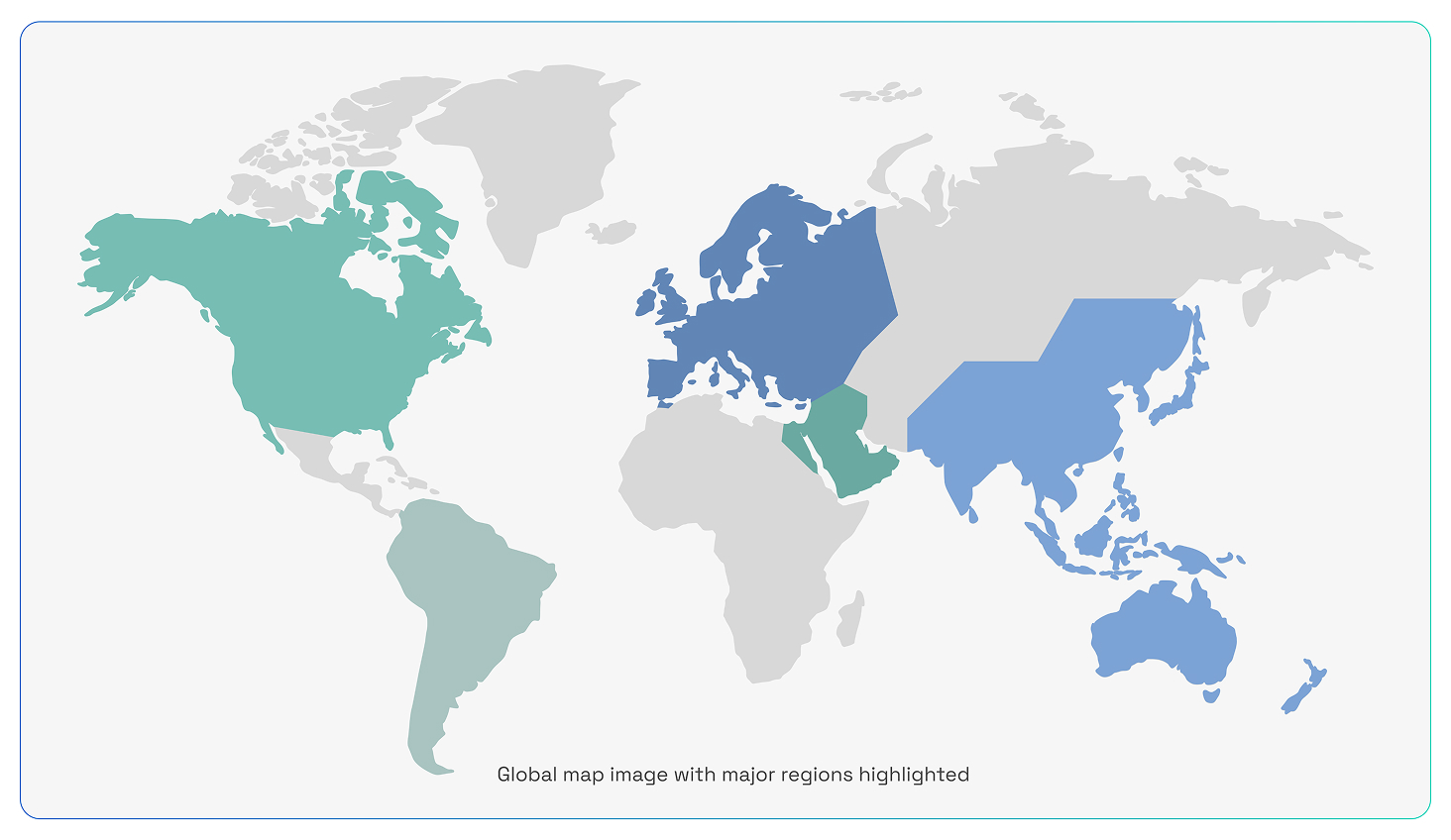
5. By Geography: North America (Dominant Region)
North America leads the global market.
Key factors:
- High spending on personal care products
- Strong presence of cosmetic brands
- Advanced formulation technologies
- Growing demand for premium and clean beauty products
Fastest-growing region:
- Asia-Pacific
Drivers: What is fueling market growth?
- Rising demand for skincare and anti-aging products
- Growth in natural and organic cosmetic formulations
- Increasing disposable income and urbanization
- Expansion of e-commerce beauty sales
- Innovation in multifunctional ingredients
Restraints (R) – What is limiting growth?
- Strict regulatory requirements on chemical safety
- Concerns over synthetic and harmful ingredients
- High R&D and formulation costs
- Consumer shift toward “clean beauty” alternatives
Opportunities (O) – Where is future growth coming from?
- Expansion of natural and bio-based ingredients
- Growth in men’s grooming and personal care
- Rising demand for multifunctional cosmetics
- Innovation in sustainable formulations
Trends (T) – What is shaping the future?
- Shift toward clean, vegan, and sustainable beauty
- Increasing use of active skincare ingredients
- Personalized cosmetic formulations
- Growth of anti-aging and dermatology-based products
Methodology
We use a stepwise research approach combining secondary research, primary validation, and data triangulation to estimate market size and forecast growth.
| Step | What we do |
|---|---|
| 1. Secondary research | Review public sources (company disclosures, industry publications, and credible datasets) to map the market and build baseline assumptions. |
| 2. Primary inputs | Validate assumptions through expert inputs (manufacturers, technology providers, and domain specialists). |
| 3. Sizing & forecasting | Apply structured sizing methods and forecast models using adoption trends, segment mix, and regional demand patterns. |
| 4. Triangulation | Cross-check estimates across multiple methods and sources to ensure consistency and reduce bias. |
Cosmetic Chemicals Market: Core Overview
How Cosmetic Chemicals Are Driving Innovation in Beauty and Personal Care
💄 Key Applications
- Skin Care and Anti-Aging Products
- Hair Care and Styling Products
- Makeup and Color Cosmetics
- Fragrances and Personal Care Formulations
📈 Business Benefits
- Enhanced Product Performance and Safety
- Innovation in Formulation and Ingredients
- Meeting Regulatory and Sustainability Standards
- Improved Consumer Appeal and Brand Loyalty
⚙️ Core Technologies
- Emulsion and Formulation Technologies
- Bioactive and Natural Ingredient Integration
- Stabilization and Preservation Techniques
- Advanced Testing and Quality Assurance
Market Scope & Analysis
1. By Product Type
- Surfactants
- Emollients
- Emulsifiers
- Preservatives
- UV Filters
2. By Application
- Skincare
- Haircare
- Makeup
- Oral Care
- Fragrances
3. By End-Use Industry
- Personal Care & Cosmetics
- Pharmaceuticals
- Household Care
- Industrial Applications
4. By Function
- Active Ingredients
- Preservative Agents
- Fragrance Ingredients
- Coloring Agents
5. By Geography
- Asia-Pacific
- North America
- Europe
- Latin America
- Middle East & Africa
- Croda International Plc
- Evonik Industries AG
- Clariant AG
- Solvay S.A.
- North America
- Europe
- Asia-Pacific
- Latin America
- Middle East
- Africa
- United States
- Canada
- Germany
- United Kingdom
- France
- China
- India
- Japan
- South Korea
- Australia
- Brazil
- Mexico
- United Arab Emirates
- Saudi Arabia
Recent Developments
Recent Developments
In September 2025, Croda International launched DS-HydroCeramide50 and DS-HydroCeramide50S, advanced cosmetic ingredients designed to improve skin hydration and barrier protection. These ceramide-based ingredients are produced through bio-fermentation and are derived from natural sources.
In April 2025, BASF introduced several natural-based cosmetic ingredients at the in-cosmetics Global 2025 exhibition. These include Dehyton PK45 GA/RA, Verdessence Maize, and Lamesoft OP Plus, which are designed for mild cleansing, improved skin compatibility, and sustainable personal-care formulations.
FAQ
A1: Cosmetic Chemicals Market is anticipated to grow at a CAGR of 13.70% in 2025 to 2035.
A2: The Cosmetic Chemicals Market is driven by applications in skincare, haircare, color cosmetics, and personal care products. Rising consumer demand for innovative, natural, and sustainable ingredients is boosting adoption across beauty and personal care industries.
A3: Here are top companies in the Cosmetic Chemicals Market (line separated by commas, max 6): BASF SE, Dow Inc., Croda International Plc, Evonik Industries AG, Clariant AG, Solvay S.A.
A4: The main challenges hindering the adoption of the Cosmetic Chemicals Market include strict regulatory compliance, rising raw material costs, growing demand for natural and organic alternatives, and concerns over product safety and toxicity.
A5: Asia Pacific, especially China and India, because of rising personal care demand, growing middle‑class spending, and expansion of beauty and cosmetics industries; North America and Europe remain key markets.
A6: Key verticals in the Cosmetic Chemicals Market market include skincare, haircare, color cosmetics, personal care products, and toiletries.
GET A FREE SAMPLE
This FREE sample includes market data points, ranging from trend analyses to market estimates & forecasts. See for yourself.
NEED A CUSTOM REPORT?
We can customize every report including purchasing stand-alone sections or country-level reports, as well as <b> offer affordable discounts for start-ups & universities.</b>
Share this report:
Seize Tomorrow's Opportunities Today: Access the Full Report
Our Top Selling Reports
- •Water-Soluble Vitamin & Mineral Feed Supplements Market
- •Pyridine & Pyridine Derivatives Market
- •Nutraceutical Ingredients Market
- •Functional Food Ingredients Market
- •Water-Soluble Vitamin & Mineral Feed Supplements Market
- •Pyridine & Pyridine Derivatives Market
- •Nutraceutical Ingredients Market
- •Functional Food Ingredients Market
Personalize This Report
- •Triangulate with your Own Data
- •Get Data as per your Format and Definition
- •Gain a Deeper Dive on a Specific Application, Geography, Customer or Competitor
- •Any level of Personalization
Let Us Help You
- •What are the Known and Unknown Adjacencies Impacting the Digital Health Market
- •What will your New Revenue Sources be?
- •Who will be your Top Customer; what will make them switch?
- •Defend your Market Share or Win Competitors
- •Customized Workshop Request