
Carbon Capture And Storage Market 2025–2035: Emerging Technologies, Trends, and Forecast
GET A FREE SAMPLE
NEED A CUSTOM REPORT?
We can customize every report including purchasing stand-alone sections or country-level reports, as well as <b> offer affordable discounts for start-ups & universities.</b>
Share this report:




Introduction
Key Report Highlights
Dominant Segments
Competitive Intelligence
Strategic Insights
Regional Dynamics
Rising Net-Zero Commitments, Industrial Decarbonization & Climate Policy Pressure: Why Our Carbon Capture and Storage Market Report is Essential for Global Emissions Reduction Strategy
The global carbon capture and storage (CCS) market is experiencing significant growth, driven by urgent climate change mitigation efforts, rising greenhouse gas emissions, and increasing commitments from governments and industries to achieve net-zero targets. Carbon capture and storage is a technology that captures carbon dioxide (CO₂) emissions from industrial processes and power generation, transporting it to storage sites where it is permanently stored underground.
Growing adoption of clean energy policies, expansion of carbon pricing mechanisms, and strong investments in decarbonization technologies are accelerating market growth. CCS is increasingly viewed as a critical solution for hard-to-abate sectors such as cement, steel, oil & gas, and chemical manufacturing.
1. By Technology: Post-Combustion Capture (Dominant Segment)
Post-combustion capture holds the largest market share globally.
Why it dominates:
- Can be retrofitted to existing industrial plants
- Widely applicable across power and manufacturing sectors
- Lower integration complexity compared to other methods
- Strong adoption in coal and gas-fired power plants
2. By Application: Oil & Gas (Dominant Segment)
Oil and gas industry is the leading application area.
Why:
- Use of CO₂ for enhanced oil recovery (EOR)
- High emissions from upstream and downstream operations
- Strong regulatory pressure to reduce carbon footprint
- Large-scale CCS project investments by major energy companies
3. By Service: Capture (Dominant Segment)
Carbon capture services dominate the CCS value chain.
Why:
- Essential first step in CCS process chain
- High deployment across industrial facilities
- Continuous technological improvements in capture efficiency
- Wide applicability across multiple sectors
4. By End User: Power Generation Sector (Dominant Segment)
Power generation is a key end-user segment.
Why:
- High CO₂ emissions from fossil fuel-based power plants
- Strong policy push for decarbonizing electricity production
- Integration of CCS with coal and gas power facilities
- Growing investment in low-carbon energy infrastructure
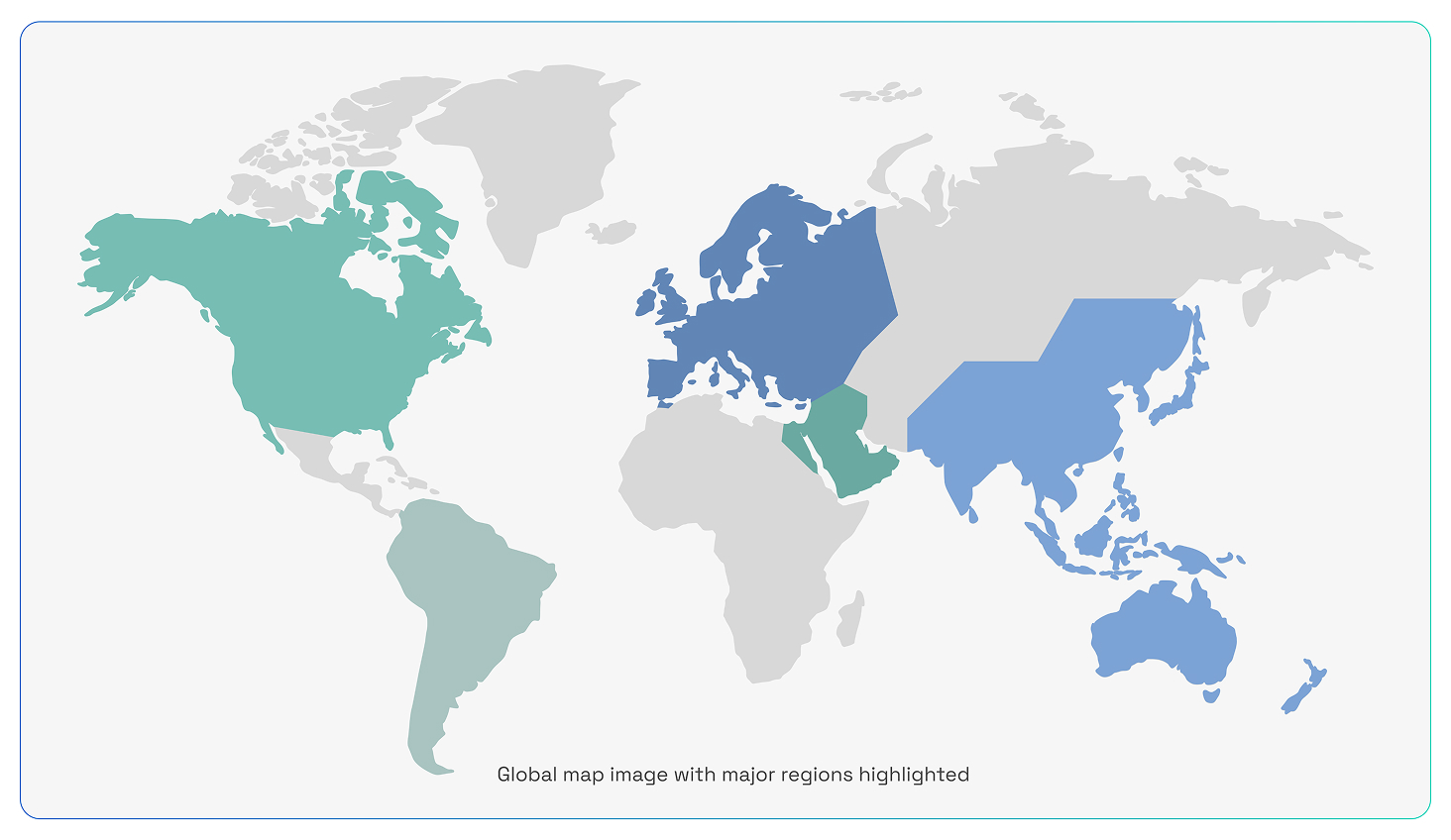
5. By Geography: North America (Dominant Region)
North America leads the global CCS market.
Key factors:
- Strong government incentives and tax credits (e.g., 45Q in the U.S.)
- Large-scale CCS projects and infrastructure development
- Presence of major oil & gas and industrial players
- Advanced carbon storage geological formations
Fastest-growing region:
- Europe
Drivers: What is fueling market growth?
- Global net-zero and carbon neutrality commitments
- Increasing industrial emissions reduction targets
- Government subsidies and carbon credit systems
- Rising adoption in oil & gas and heavy industries
- Advancements in capture and storage technologies
Restraints (R) – What is limiting growth?
- High capital and operational costs
- Energy-intensive capture processes
- Limited CO₂ transport and storage infrastructure
- Public concerns about long-term storage safety
Opportunities (O) – Where is future growth coming from?
- Expansion of industrial decarbonization projects
- Growth in carbon trading and credit markets
- Integration with hydrogen and clean energy systems
- Development of direct air capture (DAC) technologies
Trends (T) – What is shaping the future?
- Rise of large-scale CCS hubs and clusters
- Increased investment in carbon utilization (CCU)
- Growing collaboration between governments and energy firms
- Integration of CCS in net-zero industrial strategies
Methodology
We use a stepwise research approach combining secondary research, primary validation, and data triangulation to estimate market size and forecast growth.
| Step | What we do |
|---|---|
| 1. Secondary research | Review public sources (company disclosures, industry publications, and credible datasets) to map the market and build baseline assumptions. |
| 2. Primary inputs | Validate assumptions through expert inputs (manufacturers, technology providers, and domain specialists). |
| 3. Sizing & forecasting | Apply structured sizing methods and forecast models using adoption trends, segment mix, and regional demand patterns. |
| 4. Triangulation | Cross-check estimates across multiple methods and sources to ensure consistency and reduce bias. |
Outlook of the Carbon Capture And Storage Market
How Carbon Capture and Storage Technologies Reduce Industrial Emissions and Support Climate Goals
🌍 Key Applications
- Power Plant Emission Reduction
- Industrial Carbon Capture
- Oil and Gas Operations
- Hydrogen Production Facilities
- Climate Change Mitigation Projects
📈 Business Benefits
- Reduced Carbon Emissions
- Support for Net Zero Targets
- Industrial Sustainability Solutions
- Government Climate Policies
- Carbon Credit Opportunities
Core Technologies
- Post Combustion Carbon Capture
- Carbon Storage Reservoirs
- CO2 Compression and Transport
- Carbon Mineralization Techniques
- Advanced Carbon Monitoring Systems
Market Scope & Analysis
1. By Technology
- Pre-Combustion Capture
- Post-Combustion Capture
- Oxy-Fuel Combustion
- Direct Air Capture
2. By Application
- Oil & Gas
- Power Generation
- Cement Industry
- Steel & Metal Production
- Chemicals
3. By Service
- Capture
- Transport
- Storage
- Utilization
4. By End User
- Energy & Utilities
- Industrial Sector
- Oil & Gas Companies
- Government & Research Organizations
5. By Geography
- North America
- Europe
- Asia-Pacific
- Latin America
- Middle East & Africa
- Schlumberger
- ExxonMobil
- Shell
- Equinor
- Chevron
- North America
- Europe
- Asia-Pacific
- Latin America
- Middle East
- Africa
- United States
- Canada
- Germany
- United Kingdom
- France
- China
- India
- Japan
- South Korea
- Australia
- Brazil
- Mexico
- United Arab Emirates
- Saudi Arabia
Recent Developments
Recent Developments
June 2025: a leading energy firm announced a joint venture with a technology provider to build a large‑scale carbon capture facility for industrial emissions.
September 2024: a government agency unveiled new incentives to accelerate commercial deployment of carbon capture and storage projects in heavy industries.
Frequently Asked Questions
A1: The global carbon capture and storage market is projected to grow at a CAGR of 11.5% over 2025–2035, supported by climate mitigation policies.
A2: Enhanced oil recovery, power generation, and industrial carbon management are driving the most growth within the carbon capture and storage market.
A3: The key players in Carbon Capture and Storage Market are – Shell, ExxonMobil, Chevron, Schlumberger, and Equinor.
A4: High capital expenditure, regulatory challenges, and storage risks impede carbon capture and storage market growth.
A5: Carbon capture and storage market expands rapidly in Europe due to stringent emission reduction targets.
A6: Carbon capture and storage market serves power generation, oil & gas, cement, steel, and chemical industries.
GET A FREE SAMPLE
This FREE sample includes market data points, ranging from trend analyses to market estimates & forecasts. See for yourself.
NEED A CUSTOM REPORT?
We can customize every report including purchasing stand-alone sections or country-level reports, as well as <b> offer affordable discounts for start-ups & universities.</b>
Share this report:
Seize Tomorrow's Opportunities Today: Access the Full Report
Our Top Selling Reports
- •Water-Soluble Vitamin & Mineral Feed Supplements Market
- •Pyridine & Pyridine Derivatives Market
- •Nutraceutical Ingredients Market
- •Functional Food Ingredients Market
- •Water-Soluble Vitamin & Mineral Feed Supplements Market
- •Pyridine & Pyridine Derivatives Market
- •Nutraceutical Ingredients Market
- •Functional Food Ingredients Market
Personalize This Report
- •Triangulate with your Own Data
- •Get Data as per your Format and Definition
- •Gain a Deeper Dive on a Specific Application, Geography, Customer or Competitor
- •Any level of Personalization
Let Us Help You
- •What are the Known and Unknown Adjacencies Impacting the Digital Health Market
- •What will your New Revenue Sources be?
- •Who will be your Top Customer; what will make them switch?
- •Defend your Market Share or Win Competitors
- •Customized Workshop Request