
Armored Vehicles Market 2025–2035: Emerging Technologies, Trends, and Forecast
GET A FREE SAMPLE
NEED A CUSTOM REPORT?
We can customize every report including purchasing stand-alone sections or country-level reports, as well as <b> offer affordable discounts for start-ups & universities.</b>
Share this report:




Introduction
Key Report Highlights
Dominant Segments
Competitive Intelligence
Strategic Insights
Regional Dynamics
Rising Geopolitical Tensions, Defense Modernization & Battlefield Protection Needs: Why Our Armored Vehicles Market Report is Essential for Global Military Mobility and Security
The global armored vehicles market is witnessing steady growth, driven by increasing defense budgets, rising geopolitical conflicts, and the growing need for troop protection and secure military transportation. Armored vehicles are specially designed military or security vehicles equipped with protective armor to safeguard personnel against ballistic threats, explosions, and hostile environments.
These vehicles are widely used by defense forces, homeland security agencies, and law enforcement units for combat operations, border patrol, reconnaissance, and internal security missions. Technological advancements in armor materials, mobility systems, and integrated weapon platforms are further enhancing vehicle effectiveness and operational capabilities.
1. By Vehicle Type: Infantry Fighting Vehicles (Dominant Segment)
Infantry Fighting Vehicles (IFVs) hold a major share in the market.
Why it dominates:
- Designed for troop transport and direct combat support
- High mobility with advanced protection systems
- Integrated weapon and surveillance systems
- Widely deployed in modern military operations
2. By Vehicle Type: Armored Personnel Carriers (APCs)
APCs are extensively used for troop transportation.
Why:
- Safe transport of soldiers in combat zones
- Enhanced ballistic protection features
- Cost-effective compared to heavy combat vehicles
- Widely used in peacekeeping missions
3. By Mobility: Wheeled Armored Vehicles (Dominant Segment)
Wheeled armored vehicles are widely preferred.
Why:
- Higher speed and mobility on roads
- Lower maintenance costs
- Suitable for rapid deployment missions
- Increased use in urban and internal security operations
4. By Application: Defense (Dominant Segment)
Defense applications dominate the armored vehicles market.
Why:
- Rising global military modernization programs
- Increasing cross-border tensions
- Need for enhanced soldier protection
- Large-scale procurement by armed forces
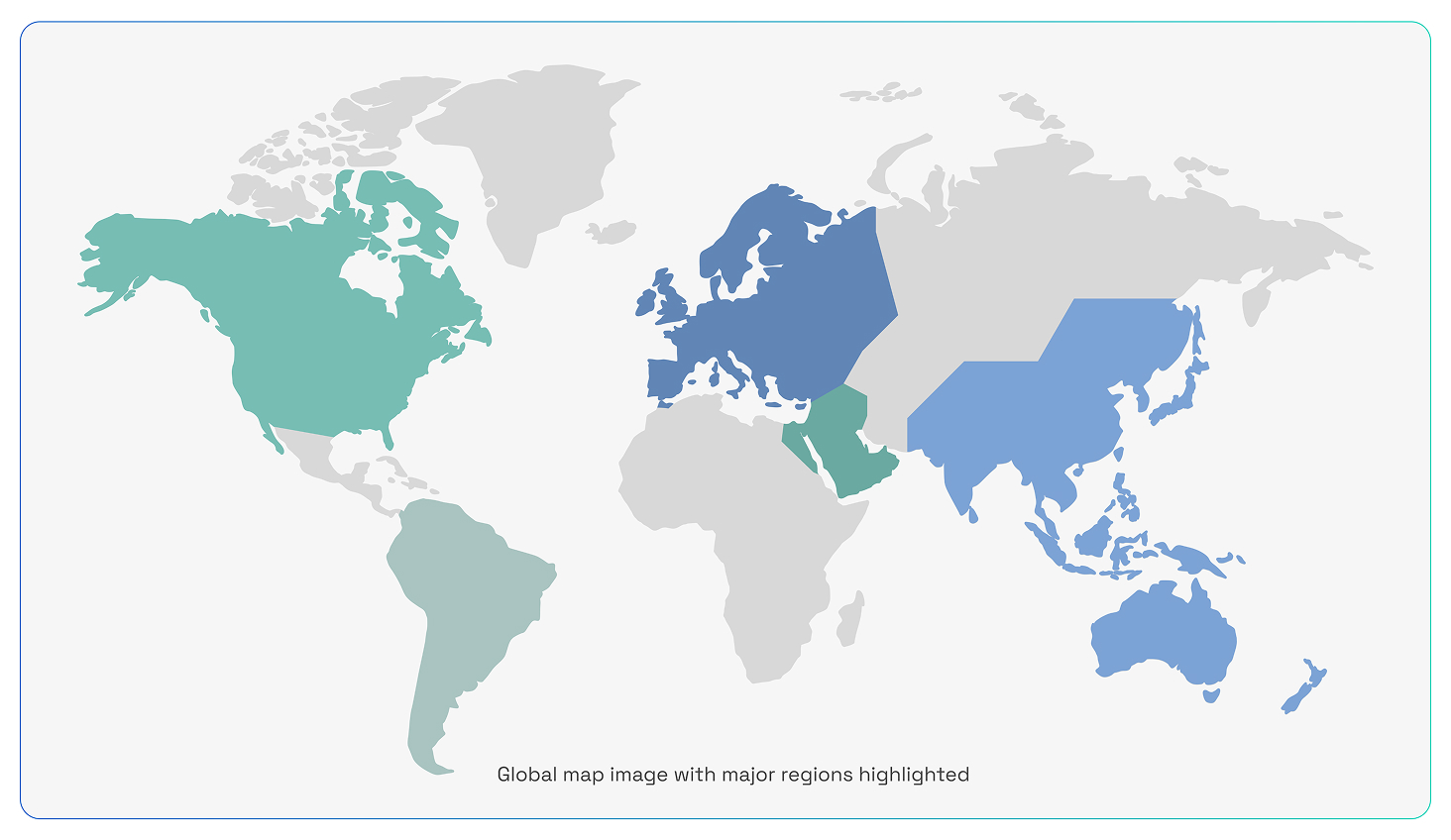
5. By Geography: North America (Dominant Region)
North America leads the armored vehicles market.
Key factors:
- High defense spending and modernization programs
- Strong presence of major defense manufacturers
- Advanced military technology adoption
- Continuous upgrades of armored fleets
Fastest-growing region:
- Asia-Pacific
Drivers: What is fueling market growth?
- Rising geopolitical conflicts and border tensions
- Increasing defense budgets worldwide
- Need for soldier safety and battlefield protection
- Advancements in lightweight armor materials
- Growing modernization of military fleets
Restraints (R) – What is limiting growth?
- High procurement and maintenance costs
- Complex manufacturing and design processes
- Logistical challenges in deployment
- Budget constraints in developing countries
Opportunities (O) – Where is future growth coming from?
- Development of hybrid and electric armored vehicles
- Integration of AI and autonomous driving systems
- Expansion of homeland security applications
- Advancements in modular armor technologies
Trends (T) – What is shaping the future?
- Shift toward network-centric warfare systems
- Increasing use of unmanned armored platforms
- Focus on lightweight and high-strength armor materials
- Integration of advanced surveillance and communication systems
Methodology
We use a stepwise research approach combining secondary research, primary validation, and data triangulation to estimate market size and forecast growth.
| Step | What we do |
|---|---|
| 1. Secondary research | Review public sources (company disclosures, industry publications, and credible datasets) to map the market and build baseline assumptions. |
| 2. Primary inputs | Validate assumptions through expert inputs (manufacturers, technology providers, and domain specialists). |
| 3. Sizing & forecasting | Apply structured sizing methods and forecast models using adoption trends, segment mix, and regional demand patterns. |
| 4. Triangulation | Cross-check estimates across multiple methods and sources to ensure consistency and reduce bias. |
Outlook of the Armored Vehicles Market
How Armored Vehicles Ensure Safety, Defense, and Tactical Mobility Across Military and Security Operations
🛡 Key Applications
- Military Tactical Operations
- Personnel Transport in Hostile Areas
- Border Security & Law Enforcement
- VIP and Diplomatic Security
- Disaster Response & Rescue Operations
📈 Business Benefits
- Enhanced Personnel Safety
- Operational Mobility in Hostile Terrain
- Customizable Armor Protection
- Integration with Advanced Defense Systems
- Revenue Opportunities in Military & Security Markets
Core Technologies
- Ballistic and Blast-Resistant Armor
- Advanced Vehicle Mobility Systems
- Weapon Integration & Remote Control Systems
- Surveillance & Communication Systems
- Engine and Suspension Optimization
Market Scope & Analysis
1. By Vehicle Type
- IFVs
- APCs
- Main Battle Tanks
- MRAP Vehicles
2. By Mobility
- Wheeled
- Tracked
3. By Application
- Defense
- Homeland Security
- Border Security
4. By Protection Level
- Light
- Medium
- Heavy
5. By Geography
- North America
- Europe
- Asia-Pacific
- Middle East & Africa
- BAE Systems
- General Dynamics
- Rheinmetall
- Oshkosh Defense
- Nexter Group
- North America
- Europe
- Asia-Pacific
- Latin America
- Middle East
- Africa
- United States
- Canada
- Germany
- United Kingdom
- France
- China
- India
- Japan
- South Korea
- Australia
- Brazil
- Mexico
- United Arab Emirates
- Saudi Arabia
Recent Developments
Recent Developments
June 2025: a defence OEM launched a new generation of lightweight armored vehicles with enhanced mobility and blast protection for rapid‑deployment forces.
October 2024: a government defence department signed a procurement deal for hundreds of armored vehicles tailored for peacekeeping and border security missions.
FAQ
A1: The global armored vehicles market is expected to grow at a CAGR of 5.8% over 2025–2035, driven by defense modernization programs.
A2: Defense operations, troop transport, and combat vehicles are driving the most growth within the armored vehicles market.
A3: The key players in Armored Vehicles Market are – BAE Systems, General Dynamics, Rheinmetall, Oshkosh Defense, and Nexter Group.
A4: High production costs, maintenance complexity, and regulatory issues hinder armored vehicles adoption.
A5: Armored vehicles market growth is strongest in Middle East & Africa, fueled by geopolitical tensions and defense modernization.
A6: Armored vehicles market serves defense, law enforcement, VIP transport, border security, and peacekeeping operations.
GET A FREE SAMPLE
This FREE sample includes market data points, ranging from trend analyses to market estimates & forecasts. See for yourself.
NEED A CUSTOM REPORT?
We can customize every report including purchasing stand-alone sections or country-level reports, as well as <b> offer affordable discounts for start-ups & universities.</b>
Share this report:
Seize Tomorrow's Opportunities Today: Access the Full Report
Our Top Selling Reports
- •Water-Soluble Vitamin & Mineral Feed Supplements Market
- •Pyridine & Pyridine Derivatives Market
- •Nutraceutical Ingredients Market
- •Functional Food Ingredients Market
- •Water-Soluble Vitamin & Mineral Feed Supplements Market
- •Pyridine & Pyridine Derivatives Market
- •Nutraceutical Ingredients Market
- •Functional Food Ingredients Market
Personalize This Report
- •Triangulate with your Own Data
- •Get Data as per your Format and Definition
- •Gain a Deeper Dive on a Specific Application, Geography, Customer or Competitor
- •Any level of Personalization
Let Us Help You
- •What are the Known and Unknown Adjacencies Impacting the Digital Health Market
- •What will your New Revenue Sources be?
- •Who will be your Top Customer; what will make them switch?
- •Defend your Market Share or Win Competitors
- •Customized Workshop Request